Africa Volunteering Programs 2025
Everyone dreams of making a difference, right? You’ve probably heard about volunteering in Africa and wondered where to start. Here’s the thing: in 2025, over 45 UN experts are deployed in Ghana alone—a surprising stat that highlights growing international engagement Business Insider. You’re about to discover how to pick the best programs, budget smartly, and volunteer ethically. Plus, real-life examples and insider tips await. Ready? Let’s dive in.
Table of Contents
Why Volunteering in Africa Matters in 2025
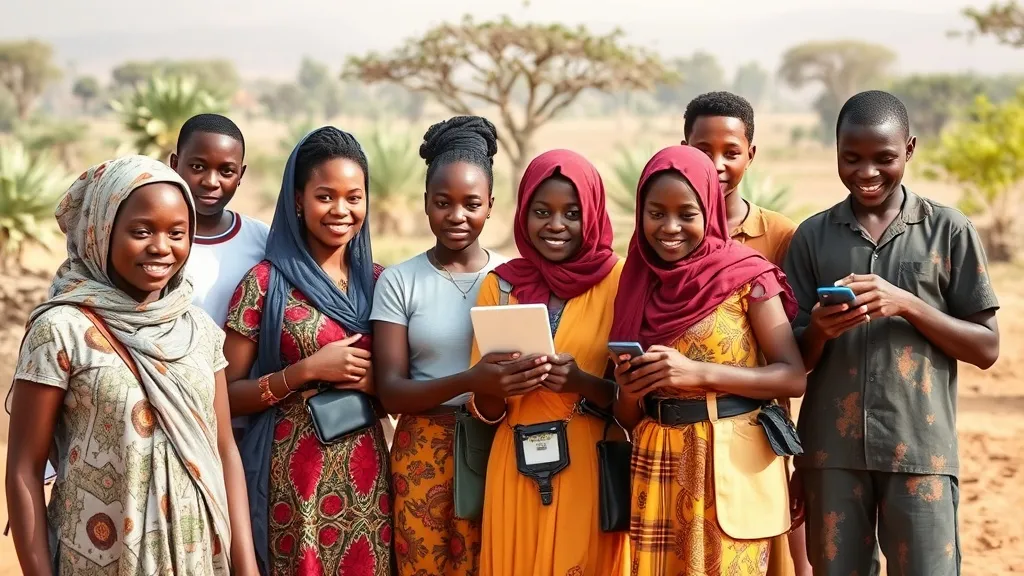
Have you ever wondered why so many people choose Africa for community projects? It’s not just the breathtaking landscapes. Volunteering in Africa offers a chance to tackle pressing challenges—education gaps, healthcare shortages, environmental threats—while learning from resilient communities.
Over the past decade, local-led initiatives have proven more sustainable than short-term missions. When you join a community-driven project, you’re not just lending a hand; you’re building long-term capacity. Imagine teaching digital literacy in Nairobi or supporting agricultural resilience in Eswatini (yes, that’s a real place!).
“Community feedback loops and inclusion principles are at the heart of our 2025 programs,” says an IFRC program manager. “That’s how real change happens.”
Actionable takeaway: Seek projects with clear community governance. Ask how locals participate in decision-making before signing up.
Types of Africa Volunteering Programs 2025
Choosing the right program can feel overwhelming. To simplify, here are the top categories for 2025:
- Wildlife Conservation: Protect elephants, rhinos, and endangered birds alongside park rangers in Kenya or Zimbabwe.
- Teaching & Education: Volunteer as an English teacher or STEM mentor in rural Ghana or South Africa.
- Healthcare Support: Assist nurses and doctors in community clinics across Zambia and Rwanda.
- Skills-Based Volunteering: Offer digital marketing, renewable energy expertise, or agricultural techniques to local NGOs.
Budgeting for Your African Volunteer Adventure
Let’s talk money. The truth is, costs vary widely depending on length, location, and program perks. But here’s a breakdown of typical expenses:
- Program fees (housing, meals, support staff)
- International flights
- Visa and vaccination fees
- Travel insurance
- Local transportation and personal expenses
On average, expect to budget $1,500–$3,000 for a four-week stay. That said, scholarships and early-bird discounts often apply.
Actionable takeaway: Create a spreadsheet of all known fees, then add 15% for unpredictables.
Ethical Considerations and Best Practices
You might be wondering: how do I avoid causing harm? Ethical volunteering is more than good intentions—it’s about accountability and respect.
Interesting enough, some programs still prioritize volunteer needs over local priorities (oops!). To stay on track, look for these principles:
- Community-led planning and feedback loops
- Gender sensitivity and inclusion
- Transparent reporting and impact measurement
- Long-term partnerships rather than one-off visits
“Ethical frameworks fuel lasting change,” notes a Working Abroad report. “Programs must listen first, then act.”
Actionable takeaway: Before you commit, ask providers for recent mid-term evaluations or testimonials from local stakeholders.
How to Choose the Right Program
Decisions, decisions. Where should you start? Here’s a simple filter:
- Scope: Does the project match your skills and interests?
- Duration: Are you ready for a short-term boost or a long-term commitment?
- Support: What’s included—orientation, housing, emergency backup?
- Reviews: Have past volunteers and locals given positive feedback?
In other words, don’t pick the cheapest option—pick the best fit.
- Clear community governance
- Aligned skills match
- Comprehensive support services
- Verified local testimonials
Future Trends in Volunteering in Africa 2025
Simply put, the landscape is shifting. Going forward, expect:
- Community-Driven Projects: Local leadership will be non-negotiable.
- Skills-Based Engagement: Digital literacy, renewable energy, and telemedicine are on the rise.
- Hybrid Volunteering: A mix of remote support and in-person work (hello, virtual mentoring!).
- Data-Driven Impact: Real-time dashboards to track progress and adapt quickly.
And another thing: sustainability won’t be an afterthought. Expect programs to integrate environmental resilience at every step.
FAQ
- What does it cost to volunteer in Africa?
- Costs range from $1,000 to $5,000 depending on duration and program inclusions. Always budget extra for visas and personal expenses.
- How long should I volunteer?
- Short-term stays (2–4 weeks) suit focused projects. For deeper impact, consider 3–6 months.
- Do I need special skills?
- Basic skills like teaching English or healthcare support are valuable. Specialized skills—IT, agriculture, renewable energy—are in high demand.
- Is it safe to volunteer?
- Most programs include risk management and 24/7 support. Research travel advisories and follow local guidance.
Conclusion
Volunteering in Africa in 2025 isn’t just a trip—it’s a chance to grow, connect, and drive meaningful change. We’ve covered why it matters, the program types, budgeting essentials, ethical best practices, selection tips, and future trends. Now, here are three clear next steps for you:
- Research programs that align with your skills and values.
- Draft a realistic budget, including a 15% safety margin.
- Reach out to past volunteers and local partners for firsthand insights.
The bottom line is this: choose wisely, respect local leadership, and stay curious. Your journey starts now—go make a real impact!
volunteering in Africa