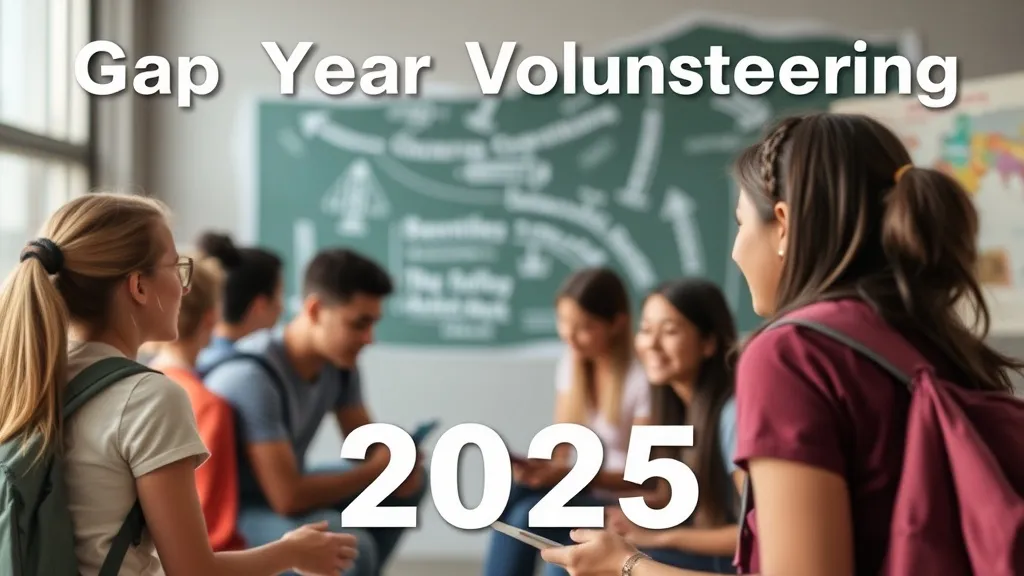
Gap Year Volunteering Programs 2025
You’ve been dreaming of making a real difference on your gap year. You want adventure and purpose. Recent data shows volunteer programs have declined by 27% in early 2025, while study abroad grew by 15% (WYSE Travel Confederation). Yet opportunities remain. This guide delivers everything you need about gap year volunteering.
Get ready to explore program types, benefits, application tips and future trends. You’ll learn how to find affordable, impactful options that suit your goals. A whole new world awaits.
Table of Contents
Why Choose Gap Year Volunteering?
Think back to why you started considering a gap year. Maybe it was boredom. Or a thirst for real-life lessons. Either way, volunteering adds depth. It’s not just travel—it’s immersive learning.
In other words, you gain skills employers crave. Communication, adaptability and cultural fluency jump off your resume. Plus? You’ll build confidence in ways a classroom never could.
- Hands-on experience in health, education or conservation
- Language immersion in a local community
- Meaningful relationships with people worldwide
- Opportunities for leadership and responsibility
You might be wondering: how expensive is all of this? Good news: some programs include accommodation and meals. Others let you fundraise ahead to keep costs down. Simply put, budget-friendly choices exist.
“International volunteering appeals to a broad cross-section of society, but the majority of volunteers are in their twenties and thirties.” —International Volunteering Wikipedia
Actionable takeaway: list three skills you want to develop. Then search for programs that highlight those exact skills in their descriptions.
Types of Gap Year Volunteering Programs
So what’s out there? The truth is, options range from short stints to yearlong placements. You get to choose duration, location and focus.
Group volunteering trips remain popular among younger volunteers. They offer structure and camaraderie. On the flip side, independent placements let you dive deeper into a single community.
Here are four main categories:
- Community Development: Build playgrounds, teach basic literacy or run health clinics.
- Environmental Conservation: Protect wildlife, reforest land or monitor coral health.
- Teaching and Education: Tutor children, assist in language schools or develop curricula.
- Healthcare Support: Aid clinics, deliver public health workshops or help with patient care.
A real example: In Costa Rica, one volunteer helped equip a coastal school library and then taught English conversation circles for kids. By the end, reading levels improved by 30% in three months.
Wondering which type fits you? Ask yourself: do you crave hands-on fieldwork or prefer classroom settings? That question can guide you to the right match.
How to Find and Apply for Gap Year Volunteering Programs
Searching can feel overwhelming. But a systematic approach makes it easier. Let me explain…
First, set your criteria: budget, duration and location. Next, use reputable platforms and cross-check reviews. You’ll want both success stories and candid feedback. Don’t skip that part.
Here’s your step-by-step:
- Define personal goals and non-negotiables.
- Search on trusted sites like GoAbroad or our own find volunteering programs page.
- Shortlist 3–5 programs and compare fees, inclusions, and local partnerships.
- Reach out to alumni via social media or program forums.
- Submit applications early—some fill up fast.
“Recent political and economic developments have significantly impacted youth travel and volunteering interest in the U.S., causing a notable decline in short-term volunteer programs.” —WYSE Travel Confederation
Actionable takeaway: schedule at least one call with program coordinators. Live conversation reveals a lot about support structures and expectations.
Common Mistakes to Avoid During Your Gap Year Volunteering
It’s natural to overlook certain pitfalls when you’re excited. Still, these issues can derail your experience if unaddressed.
- Underestimating cultural adaptation—prepare for reverse culture shock.
- Ignoring health precautions—vaccinations and travel insurance are a must.
- Skipping language basics—learn key phrases before arrival.
- Not clarifying roles—be clear about responsibilities and work hours.
Confront these mistakes early. Your project goals deserve clarity. And you deserve a smooth, rewarding experience.
Future of Gap Year Volunteering
Interestingly enough, the gap year market is projected to reach USD 6.7 billion by 2033, driven by globalization and youth mobility (Growth Market Reports).
That said, voluntourism will continue evolving. Ethical practices and sustainability will define top programs. Expect shorter, more impactful projects and stronger community partnerships.
Also, digital volunteering is on the rise. Remote support for education or conservation analytics is gaining traction. You could contribute without ever setting foot abroad.
Actionable takeaway: look for programs with a clear impact assessment. Sites listing measurable outcomes (e.g., % improvement in literacy) tend to be more credible.
Frequently Asked Questions
- What is the ideal age for gap year volunteering?
- Most participants are in their early twenties, but anyone from 18 to 70+ can join—just pick a program that suits your pace.
- How much does gap year volunteering cost?
- Costs vary widely. Budget programs can run $500–$1,500 per month (including accommodation), while premium options may exceed $2,500 monthly.
- Can I earn academic credit?
- Yes. Some programs partner with universities for credit transfer. Always confirm accreditation before enrolling.
- How long should my gap year program be?
- Three months offers a solid immersion. Six to twelve months deepens relationships and impact. Shorter stints work for travel + volunteering combos.
- Are scholarships available?
- Many NGOs offer partial or full scholarships based on merit or need. Research individual providers and apply early.
Conclusion
Gap year volunteering can transform your life—personally and professionally. You’ll build skills, forge global friendships and contribute to real community needs. Remember to define your goals, research programs thoroughly, and prepare both mentally and logistically. Then dive in.
Your next steps:
- List three causes you’re passionate about.
- Compare at least five programs for fit and budget.
- Reach out to alumni for honest feedback.
The bottom line is this: gap year volunteering offers more than travel. It’s a chance to grow, learn and leave a legacy. Ready to start planning your gap year volunteering adventure in 2025? The world is waiting.