Local Volunteering: Neighborhood Programs
You’ve probably thought, “I want to give back right here at home.” Agree? You’re in the right place. Local volunteering is about rolling up your sleeves in your own neighborhood to spark real change. It’s simple. By 2023, 28.3% of Americans volunteered through formal organizations—up from 23.2% in 2021 (Social Roots AI).
In this article, you’ll learn why local volunteering matters, explore top neighborhood programs, discover how to get started, and pick up tips to stay engaged. Ready?
Table of Contents
Why Local Volunteering Matters
Ever wonder why a small gesture can have big ripples? Local volunteering tackles pressing community needs—everything from food insecurity to elder care.
When you volunteer nearby, you see impact in real time. That connection? Priceless. You might meet the neighbor whose garden you helped plant. Or share a laugh with seniors at a care center. These personal ties build stronger, resilient communities.
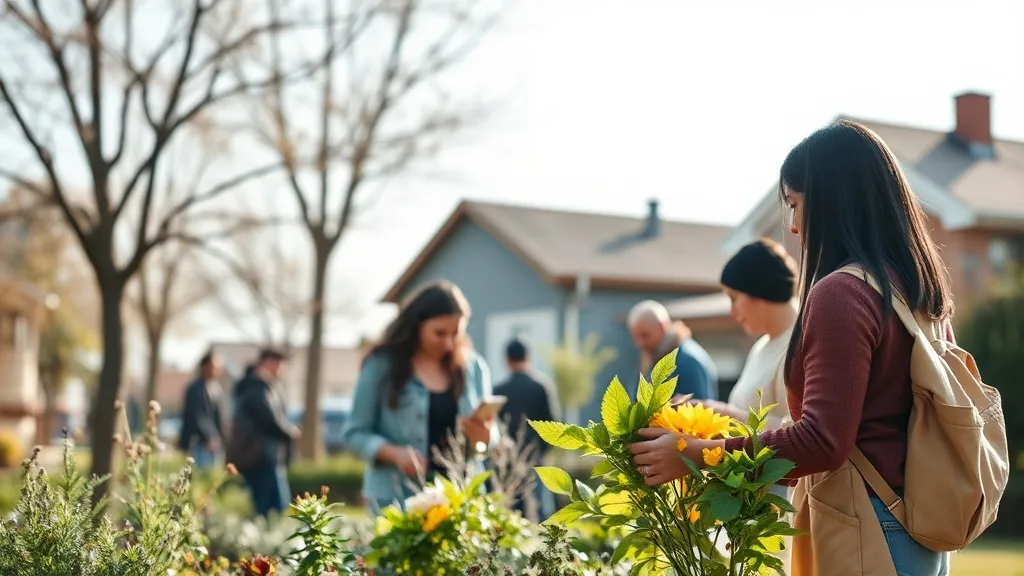
Consider this case: In Abu Dhabi, a community garden project turned a vacant lot into a thriving green space within six months. Students from a local school teamed up with retirees, exchanging gardening tips and life stories. The result: fresh produce for families and new friendships that bridged generations.
“Volunteering is about strengthening communities, building meaningful connections, and sparking change that lasts.” – Groundswell.io, 2025
Actionable Takeaway: Reach out to your nearest community center or mosque to learn about local needs. A quick phone call can reveal volunteer roles that align with your skills.
Neighborhood Program Highlights
From community gardens to youth mentoring, neighborhood programs come in many flavors. Which one fits you?
- Community Gardens: Grow food, foster friendships, and support local food banks.
- Elderly Support: Visit seniors, deliver groceries, or host social events.
- Youth Workshops: Tutor students, coach sports, or lead art classes.
- Disaster Relief Teams: Prepare emergency kits and coordinate local drills.
Imagine harvesting tomatoes beside your neighbor Ahmed or teaching coding to eager teens at the community hall. That hands-on vibe keeps you coming back.
An Abu Dhabi youth center saw attendance double after launching weekend art clubs led by local artists—volunteers who simply loved painting. Pretty inspiring, right?
Actionable Takeaway: Make a shortlist of two or three programs that excite you. Then schedule a visit or info session this week.
How to Get Started Step by Step
So, you’re sold on local volunteering—but where to begin? Here’s a simple roadmap (your DIY guide):
- Identify Needs: Ask nonprofits, community centers, or how to volunteer in my neighborhood.
- Match Skills: List your strengths—teaching, gardening, event planning—and find roles that fit.
- Complete Training: Many organizations offer short orientations or online courses.
- Commit Time: Start small (2–3 hours/week) to avoid burnout.
- Reflect & Adjust: After a month, review what you enjoy and where you can improve.
Recently, a Dubai-based shelter implemented a buddy system for new volunteers. Each newbie paired with an experienced helper found it easier to navigate shifts and stay motivated. Win-win.
“Employee volunteerism not only benefits communities but also enhances employee engagement and professional growth.” – PSEG Corporate, 2025
Actionable Takeaway: Sign up for an upcoming orientation or info session within the next 7 days. You’ll build momentum fast.
Strategies for Long-Term Engagement
Staying active in local volunteering is a marathon, not a sprint. How do you keep that spark alive?
First, celebrate milestones. Completed 20 hours? Throw a mini gathering or share your story online. Recognition fuels motivation. Secondly, buddy up. Volunteering with friends or colleagues turns tasks into social events. And third, set clear goals—like mentoring two youths before year-end or planting 100 saplings next season.
- Join recognition programs (FIRST Volunteer of the Year, for example) [Source].
- Use AI surveys to gather feedback and refine your approach (Specific.app).
- Rotate roles to discover new passions—today a tutor, tomorrow an event organizer.
Actionable Takeaway: Every quarter, review your volunteer journey: What energized you? What drained you? Adjust accordingly.
At a Glance
- Local volunteering supports community resilience and personal growth.
- Diverse programs—gardening, youth, elder care—await your skills.
- Follow a clear onboarding roadmap to stay committed.
- Celebrate wins and solicit feedback for long-term impact.
Frequently Asked Questions
- What qualifies as local volunteering?
- Any unpaid activity benefiting people or the environment in your immediate community—think neighborhood cleanups, tutoring, or food drives.
- How much time should I commit?
- Start with 2–3 hours per week. You can always scale up or down based on your schedule.
- Do I need special skills?
- Not at all. Many roles—from greeting guests at events to planting trees—require enthusiasm more than expertise.
- How do I find programs near me?
- Check local mosques, community centers, or neighborhood apps. You can also explore neighborhood volunteer groups listings online.
- Is volunteering safe during COVID-19?
- Most organizations follow health guidelines—masking, distancing, and sanitation protocols—to keep you and beneficiaries safe.
Conclusion
By now, you’ve seen the power of local volunteering. You understand why it matters, explored neighborhood programs, learned a step-by-step startup plan, and picked up strategies to stay engaged. Ready to make your move?
Your next steps:
- Contact a community center or mosque to discuss volunteer openings.
- Attend an upcoming orientation session within 7 days.
- Set a 3-month volunteer goal and track your hours.
Local volunteering transforms communities—and you’ll transform, too. Your neighborhood needs you; your journey starts now.