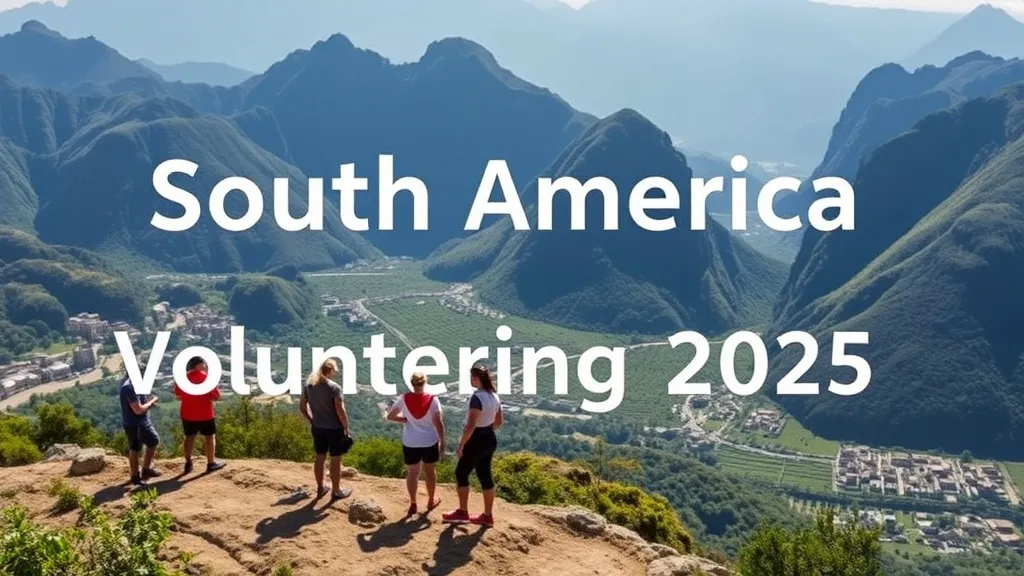
South America Volunteering 2025
You’ve likely heard that giving back can change your life—and it’s true. If you’re looking into south america volunteering this year, you’re in good company. Approximately 25% of Peruvians lived in poverty as of early 2025 (Wikipedia), with rural areas exceeding 50%. You want to learn how to make an impact, find the right program, and manage costs. Here’s what you’ll discover:
- Why volunteering in South America matters
- How to plan your trip: budget, duration, requirements
- Top programs by country and cause
- Ethical and sustainable best practices
- Insider tips for a successful experience
Let’s dive in.
Table of Contents
Understanding South America Volunteering Opportunities
Ever wondered what makes south america volunteering so unique? It’s not just the lush jungles or ancient ruins. It’s the chance to work shoulder-to-shoulder with locals in education, conservation, and community service.
Here’s the thing: you want more than a vacation. You want impact. And there are over 400 volunteer programs across 12 countries in 2025.
Conservation projects in Brazil protect endangered species. Community teaching in Bolivia supports rural schools. Medical outreach in Colombia reaches underserved villages. Each setting has its own challenges—but also immense rewards.
“Volunteerism offers immense personal growth: Participants often develop enhanced cross-cultural communication skills and adaptability as they overcome challenges facing the communities they volunteer in.”
— BeavertonResourceGuide.com, 2025
Actionable takeaway: List three causes you care about most (education, environment, health). Then research programs in those areas on reputable platforms like GoAbroad and VolunteerWorld.
Planning Your Trip: Budget, Duration, and Requirements
What budget do you need? You might be surprised. In Peru, a typical volunteer daily budget ranges from US $21 to $35 depending on region and travel style.
First, decide on duration. Short-term (1–4 weeks) can fit busy schedules; long-term (3–12 months) lets you see deeper results. Requirements vary: some programs ask for basic Spanish; others need proof of relevant skills.
Next, factor in flights, insurance, vaccinations, and living expenses. Group volunteering can slash costs via shared lodging. Always read fine print—hidden fees are common.
Actionable takeaway: Create a spreadsheet listing program fees, airfare, insurance, and daily costs. Estimate a buffer of 15% for emergencies.
Top Volunteering Programs by Country
Ready to pick a destination? South America offers diversity unmatched anywhere else.
- Peru: Teaching English in rural highlands; conservation in the Amazon basin.
- Brazil: Sea turtle conservation on coastal beaches; favela youth mentoring in Rio.
- Bolivia: Community farming initiatives in the Altiplano; health outreach clinics.
- Colombia: Reforestation in the Sierra Nevada; arts programs in Medellín.
- Ecuador: Galápagos conservation; indigenous community support in the Andes.
Real example: In 2024, a group of five university students organized eco workshops in the Galápagos, planting 1,200 native saplings. That’s hands-on impact.
“Because poverty remains a major issue, it’s vital to strengthen rural communities — to support local communities with sustainable projects and opportunities.”
— VolunteerWorld.com, 2025
Actionable takeaway: Narrow your search to two countries, then compare program reviews, local context, and language requirements. Reach out to alumni for firsthand feedback.
Ethical and Sustainable Volunteering Practices
Is it ethical to volunteer abroad? Here’s the truth: good intentions aren’t enough. Responsible volunteering ensures you support rather than displace local workers.
First, vet organizations for transparency. Look for annual impact reports and community feedback. Avoid projects that pay locals below wage or replace local teachers.
- Research fair labor standards in your host country.
- Support community-driven initiatives.
- Prioritize sustainability over short-term fixes.
Actionable takeaway: Ask these five questions before signing up: Who designs the project? How are locals involved? What is the long-term plan? Where does funding go? Who monitors progress?
Tips for a Successful Volunteer Experience
Let me explain why preparation is half the battle. You’ll face cultural challenges, logistics hiccups, and emotional highs and lows.
Here are proven strategies:
- Learn the basics of local etiquette and gestures.
- Pack versatile clothing for varying climates.
- Maintain a journal to track experiences and lessons.
Additionally, digital tools can help. Use WhatsApp for group chats, Google Translate for instant translation, and Trello to stay organized.
Actionable takeaway: Draft a 30-day plan outlining learning goals, community objectives, and personal milestones. Share it with your program coordinator.
Conclusion
To recap, south america volunteering offers a life-changing blend of cultural immersion, skill-sharing, and meaningful impact. You’ve learned how to:
- Choose the right program aligned with your passion
- Budget realistically and navigate requirements
- Pick top programs in countries like Peru, Brazil, and Bolivia
- Adopt ethical, community-driven approaches
- Prepare for cultural and logistical challenges
Next steps:
- Finalize your cause and destination.
- Contact at least two organizations and request impact reports.
- Book flights, arrange insurance, and start Spanish lessons.
Volunteer in South America and return transformed—with new skills, friendships, and memories. Your journey starts now.
Frequently Asked Questions
- What qualifications do I need to volunteer in South America?
- Most programs require basic language skills, background checks, and relevant experience. Check specific requirements on program pages.
- How much does volunteering typically cost?
- Expect to pay $21–35 per day in Peru; other countries range from $25–45 depending on living conditions and support provided.
- Can I volunteer for just one week?
- Yes. Many organizations offer short-term programs that last one week to one month.
- How safe is volunteering in South America?
- Safety varies by region. Stick to reputable organizations, follow local advice, and maintain situational awareness.
- Will volunteering help my career?
- Absolutely. Employers value cross-cultural communication, problem-solving, and leadership skills gained through volunteer experiences.