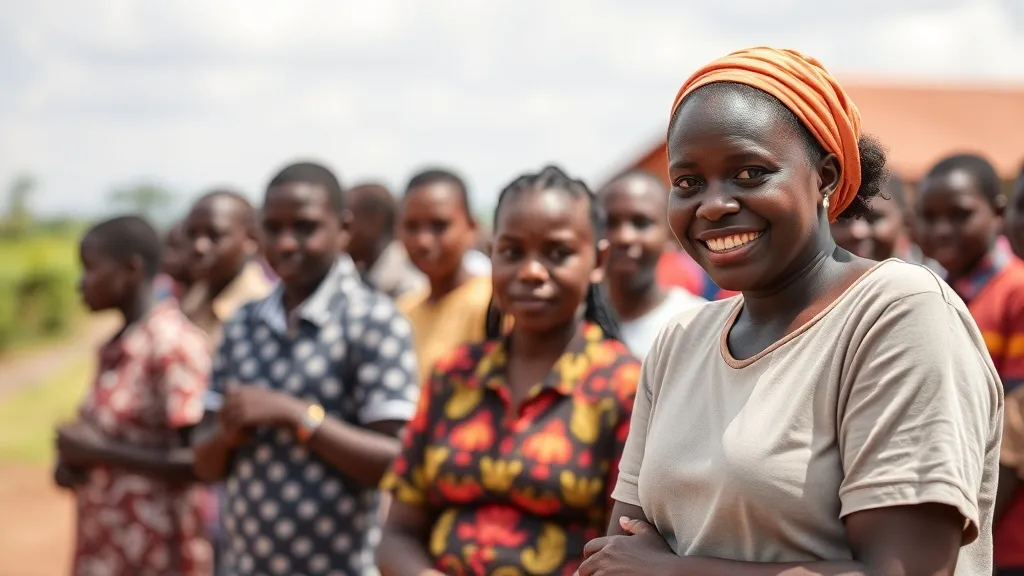
Uganda Volunteering Opportunities 2025
Uganda volunteering in 2025 offers a unique chance to immerse yourself in welcoming communities while making a tangible difference. Interestingly enough, 44% of Ugandans volunteered in 2024—surpassing the global average of 26% (CivSource Africa). Here’s the thing: diving into healthcare, education, or community projects can transform your perspective and theirs. You’ll find programs for students, professionals, or anyone eager to help.
In this guide you’ll discover why volunteering in Uganda matters, the top sectors to join, practical preparation tips, sustainability best practices, and future trends you won’t want to miss. Ready? Let’s dive in.
Table of Contents
- Why Volunteer in Uganda?
- Top Volunteering Opportunities for 2025
- Healthcare and Medical Volunteering
- Education and Childcare Initiatives
- Community Development & Women Empowerment
- How to Prepare for Your Uganda Volunteering Trip
- Best Practices for Sustainable Impact
- Future Trends in Uganda Volunteering
- FAQ
- Conclusion
Why Volunteer in Uganda?
Imagine starting each day greeted by bright smiles and endless gratitude. Cultural richness meets urgent need. Uganda’s volunteer spirit is contagious. But why should you care?
Context: Volunteering isn’t just about giving time; it’s about forging cross-cultural bonds and sharing skills where they matter most. Local leaders say international volunteers bring fresh ideas—and leave a legacy.
Detailed Explanation: Rural clinics in Karamoja struggle with staffing shortages. Teachers in northern Uganda often manage classrooms of 60+ children. When you step in, you’re filling critical gaps—whether by assisting in medical triage or running literacy circles. These hands-on experiences foster mutual learning and break down stereotypes.
“Ugandan volunteers contribute significantly more hours than the global average, reflecting a deep-rooted culture of communal support and generosity.”
– CivLegacy Foundation, World Giving Report 2025
Real Example: During a recent trip with Save the Children Uganda, an educational volunteer introduced story-based learning in a Pader Primary School. Attendance rose by 25% within three months.
Actionable Takeaway: Reach out to local NGOs to gauge needs before booking flights. Tailor your skills—medical, teaching, or project management—to on-the-ground priorities.
Top Volunteering Opportunities for 2025
Seeking the right fit can feel like searching for a needle in a haystack. Opportunities span healthcare, education, and community development. Which one sparks your passion?
- Healthcare and Medical Programs
- Education and Childcare Initiatives
- Community Development & Women Empowerment
Healthcare and Medical Volunteering
Caring for patients in a rural clinic is both challenging and rewarding. With only two nurses for 3,000 residents, your support is priceless.
Volunteers assist with basic diagnostics, vaccination drives, and health education. You don’t need to be a doctor—training is provided.
Example: A public-health student organized a malaria prevention campaign in Busia District, reaching 1,200 households. Infection rates dropped by 15% within weeks.
Expert Insight: “Empowering local leadership is essential to sustainable development—and ensures volunteer efforts are culturally relevant.”
– Save the Children Uganda, 2025 Localization Strategy Lead
Actionable Takeaway: Brush up on basic Swahili phrases and common health practices before you arrive.
Education and Childcare Initiatives
Education in northern Uganda has gaps—classrooms overflow and supplies run low. Volunteers can tutor, run libraries, or lead arts programs.
Context: 16.5 average volunteer hours per person in 2024 signals strong local engagement. You’ll partner with community teachers and learn new methods along the way.
Real Example: A student teaching volunteer launched an after-school reading club in Gulu. Kids who once hated homework now meet weekly, boosting literacy scores by 30%.
Common Mistake: Don’t assume curricula mirror your home country’s. Ask for lesson plans in advance and adapt activities accordingly.
Community Development & Women Empowerment
Economic independence for women transforms entire families. Projects include microfinance training, artisan cooperatives, and leadership workshops.
Detailed Explanation: By training 50 women in tailoring skills, a project in Jinja increased household incomes by 40% in six months.
Actionable Takeaway: Offer skills you already have—marketing, accounting, or social-media know-how—to amplify local initiatives.
How to Prepare for Your Uganda Volunteering Trip
Preparation can make or break your experience. Skip the last-minute scramble—plan ahead.
- Research Reputable Organizations. Look for transparent impact reports and local partnerships.
- Understand Cultural Norms. Learn greetings, dress codes, and religious customs (most Ugandans are Christian or Muslim).
- Acquire Relevant Skills. First-aid certification, basic teaching strategies, or community-engagement techniques go a long way.
- Secure Visas & Vaccinations. Yellow fever and typhoid shots are mandatory.
- Arrange Accommodations & Transport. Host families, guesthouses, or dorms—choose what suits your comfort level.
Actionable Takeaway: Create a pre-departure checklist at least two months before departure to stay on track.
Best Practices for Sustainable Impact
Let me explain why sustainability matters. Short-term fixes can sometimes do more harm than good. Aim for lasting change.
- Focus on Local Leadership. Support projects where Ugandans set priorities.
- Emphasize Skill Transfer. Train locals, don’t just perform tasks for them.
- Prioritize Cultural Respect. Listen more than you speak.
- Monitor & Evaluate. Track progress with simple, agreed-upon metrics.
- Stay Engaged Post-Trip. Fundraise remotely or mentor new volunteers.
“Through localization, communities own their development—and we see deeper, longer-lasting results.”
– Save the Children Uganda, 2025 Localization Strategy Lead
Read also: Bedford Conservation Volunteering
Future Trends in Uganda Volunteering
Wondering what’s next? Technology, policy, and community shifts are shaping programs.
- Digital Volunteering: Remote teaching and telemedicine are on the rise.
- Alignment with National Plans: Programs now map to Uganda’s Vision 2040 and NDP IV.
- Women-Led Initiatives: Gender-equality projects will expand.
- Eco-Volunteering: Conservation efforts in national parks are growing.
The bottom line is that 2025 will bring more diverse, tech-enabled, and locally driven opportunities.
FAQ
- What qualifications do I need?
- No formal degree is required for most roles—just relevant skills and a willingness to learn.
- How long should I volunteer?
- Programs range from two weeks to six months. Three months is ideal to see real impact.
- Is it safe?
- Yes, if you follow safety guidelines: stay in groups, heed travel advisories, and register with your embassy.
- How much does it cost?
- Costs vary: $500–$1,500 per month, covering housing, meals, and in-country support.
- Can students join?
- Absolutely. Many programs offer discounted rates and credit-bearing internships.
Conclusion
Volunteering in Uganda in 2025 isn’t just a trip—it’s a transformation. You’ll gain new skills, forge lasting friendships, and help communities thrive.
Key takeaways: Uganda’s strong volunteer culture, top sectors (healthcare, education, women’s empowerment), practical prep steps, and future trends.
Next steps:
- Research organizations with transparent reporting—volunteering-safety
- Choose a program aligned with your skills and passions—community-development-volunteering
- Start your visa and vaccination process early
Ready to make a difference? Pack your bags, open your heart, and get ready for the adventure of a lifetime with uganda volunteering 2025.