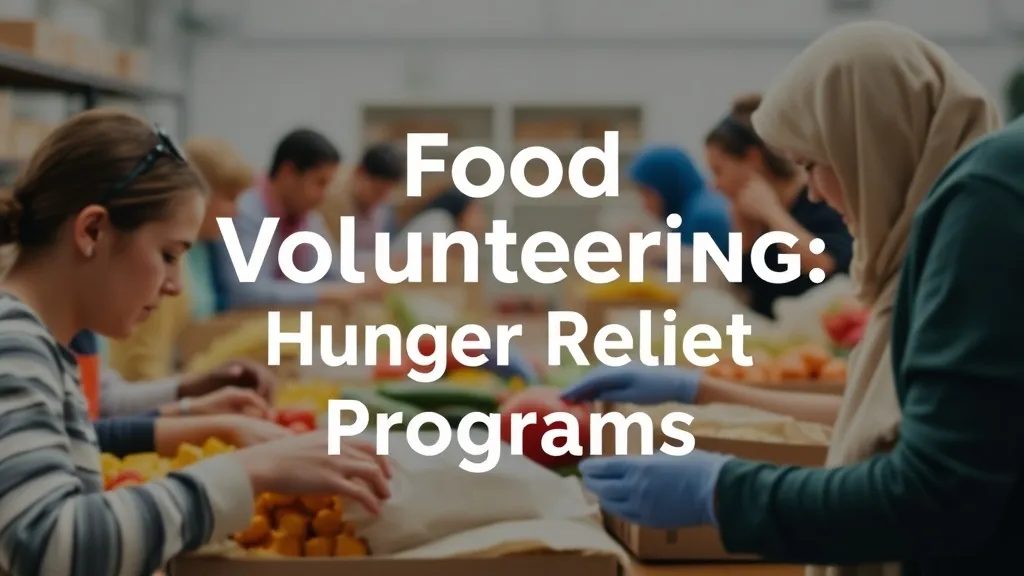
Food Volunteering: Hunger Relief Programs
You’ve probably noticed empty pantry shelves in neighborhoods and heard stories of families skipping meals. If you’ve ever wondered how you could step up, food volunteering is your ticket to hands-on impact. In this article, you’ll learn what food volunteering involves, where to jump in across the UAE, and how to avoid common mistakes. Punch your ticket to community change—no cape required. It’s that simple.
Surprising fact: the US alone wastes over 100 billion pounds of food every year, generating potent methane emissions that worsen climate change. (EPA)
Table of Contents
- What Is Food Volunteering?
- Why Food Volunteering Matters
- How Food Volunteering Works: Key Roles & Processes
- Common Mistakes to Avoid in Food Volunteering
- Top Food Volunteering Opportunities in the UAE
- Future Trends in Hunger Relief Volunteering
- Conclusion
- FAQs
- 1. What qualifications do I need to start food volunteering?
- 2. How many hours should I commit to make an impact?
- 3. Can I volunteer remotely for hunger relief?
- 4. Are there costs involved in volunteering?
- 5. How do I stay safe during food distribution?
What Is Food Volunteering?
Ever thought of volunteering as a food rescuer, chef, or driver? That’s food volunteering in action.
In essence, food volunteering covers a range of activities—from sorting donations at a food bank to packaging meals for distribution. It’s about bridging the gap between surplus and need, tackling both hunger and waste.
Rise Against Hunger, a global nonprofit, organizes meal-packing events where volunteers assemble nutritious meals for undernourished communities. Similarly, Forgotten Harvest in Detroit mobilizes drivers to rescue surplus food from retailers, driving over 80,000 miles annually to deliver fresh produce and groceries.
“Each volunteer hour at Forgotten Harvest translates into more meals on the table and fewer items rotting in landfills,” says CEO Martin Harris.
Takeaway: Look into food-bank-programs at your local center and find out which role aligns with your skills.
Why Food Volunteering Matters
What’s the big deal? Why should you invest your time in food volunteering?
First, it tackles hunger head-on. In the UAE, an estimated 10% of residents face food insecurity, according to UN data. Second, it reduces food waste and associated greenhouse gases. Finally, it builds community—uniting diverse volunteers around a common cause.
- Provide meals to vulnerable groups (elderly, refugees, low-income families)
- Rescue surplus food that would otherwise be wasted
- Offer educational workshops on nutrition and budgeting
- Support seasonal initiatives like Ramadan iftar programs
Read also: UF Volunteering Programs
How Food Volunteering Works: Key Roles & Processes
Ready to roll up your sleeves? Let me explain the typical workflow.
Volunteers usually follow these steps:
- Orientation and training: Understand safety, hygiene, and organizational protocols
- Food collection or sorting: Rescue or sort edible donations by expiration date
- Preparation or packaging: Assemble groceries or cook meals in community kitchens
- Distribution: Deliver meals to shelters, community centers, or doorsteps
Consider the example of Dubai’s Ramadan Iftar initiative: over 5,000 volunteers cook and package meals nightly, serving both laborers and low-income families. It’s a well-choreographed effort involving local mosques, NGOs, and corporate sponsors.
“Volunteering during Ramadan has a spiritual and social payoff—plus, the teamwork is unmatched,” reflects organizer Fatima Al Mansouri.
Takeaway: Sign up for a trial shift—you might discover a passion for logistics, cooking, or outreach you never knew you had.
Common Mistakes to Avoid in Food Volunteering
Questions? You might ask, “What can go wrong?” A few hiccups can derail even the best intentions.
Another slip-up is underestimating physical demands. Lifting heavy boxes or standing for hours isn’t for the faint-hearted. Lastly, poor communication can confuse teams—always confirm your schedule and role ahead of time.
Tip: Always double-check your volunteer portal for updates, and ask for a checklist from the program coordinator.
Top Food Volunteering Opportunities in the UAE
Looking for a starting point? Here are three standout programs:
- Dubai Cares: Focus on school feeding programs in remote areas.
- Al Amal Association: Community kitchens offering daily meal distribution in Sharjah.
- Emirates Red Crescent: Emergency relief food packs during heatwaves and holidays.
These organizations welcome both one-time participants and regular volunteers. You might spend a weekend packaging meals or dedicate a few weekday evenings to education workshops.
“Consistent team members help us plan better and reach more people,” notes coordinator Ahmed Al-Hassan at Emirates Red Crescent.
Actionable takeaway: Visit each site’s volunteer portal to compare time commitments and training requirements.
Future Trends in Hunger Relief Volunteering
Wondering what’s next? The field is evolving fast.
Technology is making volunteer coordination smarter—apps match available shifts to your skills and location. Also, corporate partnerships are on the rise, with law firms and tech companies organizing large-scale packing events.
Looking ahead, expect more cross-border virtual volunteering: recipe translation, online nutrition classes, and remote fundraising. It’s like cooking a meal in Dubai for a family in Kenya, digitally.
Moreover, policy shifts around SNAP requirements may change volunteer eligibility criteria—stay informed to adapt your strategy.
Takeaway: Follow newsletters from major NGOs and subscribe to volunteer matching platforms to ride the innovation wave.
Read also: ACT Volunteering Programs
Conclusion
Food volunteering offers a unique chance to fight hunger, reduce waste, and strengthen your community. By understanding roles, avoiding common mistakes, and seizing opportunities in the UAE—from Dubai Cares to Emirates Red Crescent—you’ll make every hour count. Here’s what you can do next:
- Browse food-bank-programs and sign up for an orientation.
- Download a volunteer matching app to find shifts near you.
- Join a community cooking or packaging event this month.
Your time is a gift—witnessing smiles at a distribution line or knowing you’ve rescued food is profoundly rewarding. So grab your gloves, rally your friends, and jump into the world of food volunteering today!
FAQs
1. What qualifications do I need to start food volunteering?
No formal qualifications are needed. Most programs require a basic orientation, safety training, and sometimes age limits (usually 16+).
2. How many hours should I commit to make an impact?
Even 2–3 hours per month can help. Regular volunteers often commit 4–8 hours weekly, but any contribution makes a difference.
3. Can I volunteer remotely for hunger relief?
Yes. Many organizations offer virtual roles like fundraising, social media support, and educational workshops.
4. Are there costs involved in volunteering?
Typically, no. However, some specialty events might ask for a small donation or cover logistic costs.
5. How do I stay safe during food distribution?
Always follow training guidelines: wear protective gear, sanitize hands frequently, and keep perishable items at safe temperatures.