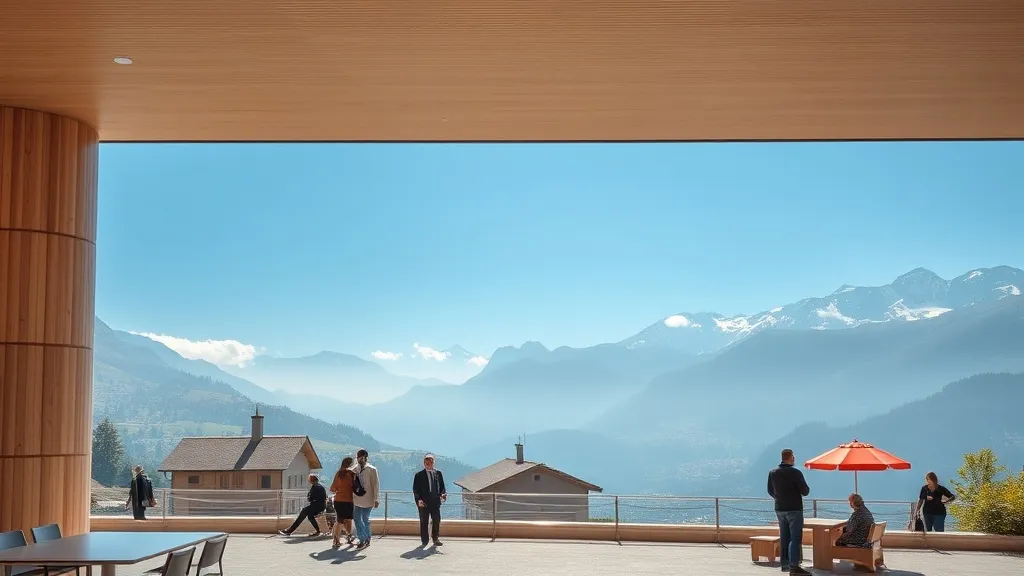
Tourism Switzerland 2025: Hospitality Programs
You want top-tier education and unforgettable Swiss experiences. If you’re eager to study tourism in Switzerland, you’re in the right place. In 2024, Swiss hospitality schools saw a 12% increase in international student enrollment, reaching over 8,500 students nationwide.1 You’ll discover the top hospitality programs, step-by-step application guidance, internship opportunities, and the latest sustainability and digital trends shaping Swiss tourism education.
Whether you’re curious about campus life in Lausanne or the application process for a bachelor’s in hospitality management, this guide has you covered. Let me explain what sets Swiss programs apart. Ready? Let’s dive in.
Table of Contents
- Why Choose Switzerland for Hospitality Education?
- Leading Hospitality Programs for 2025
- Internships and Career Prospects
- Application Process and Costs
- Sustainability and Digital Trends in Swiss Tourism Education
- Frequently Asked Questions
- What is the duration of hospitality programs in Switzerland?
- How much does it cost to study hospitality in Switzerland?
- Are internships mandatory?
- Do I need to speak French or German?
- When should I apply for 2025 intake?
- Conclusion
Why Choose Switzerland for Hospitality Education?
You might be wondering what makes Switzerland a hotspot for hospitality studies? The truth is, its centuries-old devotion to service excellence and innovation creates an unmatched learning environment.
Swiss institutions blend hands-on training at luxury resorts with classroom theory, mirroring real-world demands. That means you learn not only by reading textbooks but by managing actual guest scenarios in famed Alpine hotels.
“The future of hospitality education in Switzerland lies in blending traditional excellence with innovation in sustainability and digital technology, preparing students for a rapidly evolving global tourism landscape.”
— Dr. Anna Meier, Director, Swiss Institute of Tourism Studies
Actionable takeaway: Start your research by identifying programs that combine theory, real-world internships, and a sustainability curriculum.
Leading Hospitality Programs for 2025
Picking the right program can feel like navigating a labyrinth. But given Switzerland’s wealth of options, narrowing down your choices early pays off.
Here’s a quick look at top institutions:
- École hôtelière de Lausanne (EHL) – Bachelor’s & Master’s, focus on innovation and leadership.
- Swiss Hotel Management School (SHMS) – BA in Hospitality Management, emphasis on sustainability.
- Les Roches Global Hospitality Education – MSc in International Hospitality Management, strong industry links.
- Glion Institute of Higher Education – BBA in Hospitality, renowned for experiential learning.
You might be asking: which one fits my goals? Look at each curriculum’s modules on digital booking systems, AI customer service, and sustainable tourism practices.
Actionable takeaway: Visit campus (or virtual open days) to gauge culture, facilities, and peer community.
Internships and Career Prospects
Hands-on experience is the heart of hospitality training. Without real internships, a resume can feel… flat.
In 2024, over 75% of Swiss hospitality students secured internships at leading hotels such as Badrutt’s Palace and The Ritz-Carlton.2 And the employment rate? A staggering 92% of graduates land jobs within six months.1
- 75% internship placement rate
- 92% employment within six months
Case study: A recent intern at The Dolder Grand ascended from front-desk duties to guest relations supervisor in under a year, thanks to mentorship and Swiss precision training.
“Our industry demands graduates who not only understand hospitality but also the cultural nuances and environmental responsibilities unique to Switzerland’s tourism sector.”
— Jean-Luc Dubois, CEO, Swiss Hospitality Association
Actionable takeaway: Leverage your school’s alumni network and career fairs to secure coveted placements early.
Application Process and Costs
Ready to apply? Let’s break it down step by step.
- Research programs and accreditations (look for [SWISS HOTEL ASSOCIATION] recognition).
- Prepare documents: transcripts, language tests (IELTS/TOEFL), CV, motivation letter.
- Submit applications via school portals (deadlines vary between Jan–May 2025).
- Secure funding: scholarships, grants, or loans (see Swissuniversities).
- Apply for student visa and arrange housing in cities like Geneva or Montreux.
Tuition ranges from 20,000 to 40,000 CHF per year. Expect living costs of 15,000–20,000 CHF, depending on location and lifestyle.
Actionable takeaway: Draft a detailed budget and explore scholarship deadlines now.
Sustainability and Digital Trends in Swiss Tourism Education
Here’s the thing: hospitality is evolving faster than ever. And Swiss schools aren’t shying away from that change.
Programs now integrate sustainable tourism practices—think carbon-neutral events and waste reduction strategies. At the same time, digital transformation modules teach you AI-driven customer service, online booking architecture, and immersive VR tours to wow guests before they even arrive.
For instance, SHMS students created a zero-waste menu for a real restaurant pop-up in Zurich, combining culinary art with eco-responsibility.
“Swiss hospitality curricula prioritize sustainability and digital innovation, ensuring graduates lead, not follow, in a competitive global market.”
— Dr. Anna Meier
Actionable takeaway: Look for programs offering hybrid learning and partnerships with tech startups in tourism.
Frequently Asked Questions
What is the duration of hospitality programs in Switzerland?
Undergraduate degrees typically span three years; master’s programs run one to two years, depending on internships.
How much does it cost to study hospitality in Switzerland?
Annual tuition ranges from 20,000–40,000 CHF, with living expenses around 15,000–20,000 CHF. Scholarships can help offset costs.
Are internships mandatory?
Yes, most Swiss schools require at least six months of professional internships to graduate.
Do I need to speak French or German?
Many programs are offered in English, but knowing a second local language boosts your internship and job prospects.
When should I apply for 2025 intake?
Application windows typically open in January and close by May. Early submissions improve your chances.
Conclusion
Switzerland offers a world-class blend of tradition, innovation, and practical training for anyone aiming to study tourism in Switzerland. You’ve learned about top institutions, real internship pathways, application steps, and cutting-edge trends that set Swiss hospitality education apart. Now it’s time to act:
- Create your shortlist of preferred hospitality management programs.
- Gather and finalize all application documents early.
- Explore funding and schedule visa appointments well in advance.
Embark on this adventure and turn your passion for travel and service into a thriving international career. Your Swiss hospitality journey starts now—don’t just study tourism; redefine it!