Study Programs Switzerland 2025: Options
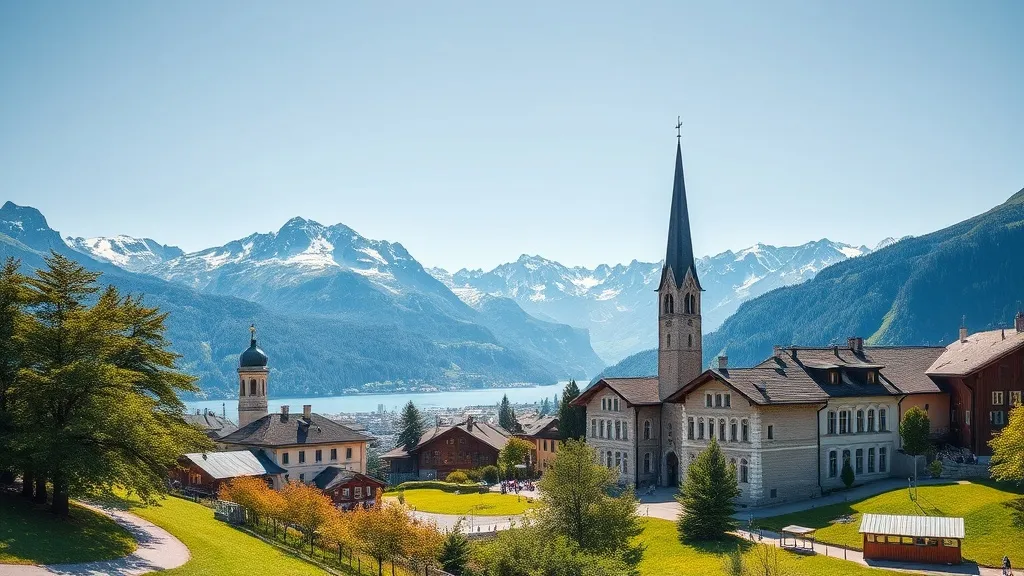
Everyone knows Switzerland is a top study destination—and you might be wondering why. In fact, study abroad programs in Switzerland blend world-class academics with breathtaking Alpine scenery, low crime rates, and vibrant student life. You’ll discover exchange programs, summer schools, bachelor’s and master’s tracks, plus short internships that kick-start your career. A surprising stat: Switzerland’s bachelor first-year dropout rate is just 8%, well below the OECD average (OECD 2025). Here’s the promise—you’ll learn everything from costs to visas and post-study work permits. Ready? Let’s dive in.
Table of Contents
- Why study abroad programs in Switzerland stand out in 2025
- Types of programs: Your study abroad programs in Switzerland options
- Cost Breakdown and Scholarships
- Application Process and Student Visa Tips
- Post-Study Work Permits and Career Prospects
- FAQs
- 1. What is the minimum GPA to study in Switzerland?
- 2. Can I work part-time on a student visa?
- 3. How safe is Switzerland for international students?
- 4. Do I need health insurance?
- 5. How do I extend my visa after graduation?
- Conclusion
Why study abroad programs in Switzerland stand out in 2025
You’ve seen the rankings: ETH Zurich sits in the global top 10 and EPFL Lausanne in the top 20 (ETH Zurich, EPFL). But what makes Swiss programs unique?
First, small class sizes mean direct access to professors. Second, digital applications simplify enrollment—no more paper mountains. And third, the multilingual environment (German, French, Italian, English) boosts your soft skills. Imagine ordering coffee in Zurich in three languages.
Let’s not forget the quality of life. Low crime, reliable public transport, and easy weekend trips to Italy or France. All that plus research funding that rivals Harvard’s. The truth is, Swiss schools invest heavily in innovation, especially in tech and life sciences.
“Switzerland’s academic excellence and high quality of life make it a top choice for international students.” — Edvoy Education Consultant
Actionable takeaway: Start by listing your top two Swiss universities. Then compare programs based on language, research focus, and location.
Types of programs: Your study abroad programs in Switzerland options
Ready for choices? In 2025, Swiss institutions offer four major formats:
- Exchange semesters (3–6 months) with home-university partnerships.
- Full bachelor’s and master’s degrees.
- Summer schools (2–8 weeks) on niche topics like quantum computing.
- Internship-integrated diplomas in hospitality or finance.
Nearly every university has an international office to guide you. For example, the University of Geneva offers a summer program in European politics that includes a field trip to Strasbourg. That’s hands-on learning.
Why does this matter? Your choice shapes your budget, visa type, and living arrangements. A short summer course might cost CHF 1,500, while a master’s year runs CHF 2,000 plus living costs.
Cost Breakdown and Scholarships
Worried about expenses? Switzerland isn’t cheap—but it’s more affordable than you’d guess. Public university tuition is CHF 500–5,000 per year, while private schools range CHF 8,000–40,000 (OECD data). Living costs are CHF 18,000–28,000 annually (CHF 1,500–2,800 monthly).
Scholarships help bridge that gap. From the Excellence Scholarship at ETH Zurich to canton-level grants in Geneva, there’s something for everyone. More options pop up each year—in 2025, look for new government awards with partial living-cost coverage.
Want a head start? Browse scholarships for studying in Switzerland 2025 for deadlines and application tips.
- ETH Excellence Scholarship: CHF 12,000 living stipend plus tuition waiver.
- Swiss Government Excellence: 12–24 months, full coverage.
- University of Lausanne grants: merit-based awards up to CHF 5,000.
Actionable takeaway: Apply to at least three scholarships. Diversify—government, university, private foundation.
Application Process and Student Visa Tips
Let me explain the steps. First, submit your transcripts online. Most Swiss universities accept digital scans (hallelujah). Then pay the application fee—CHF 100–200.
Once admitted, you need proof of CHF 21,000 in a blocked account (Swiss SEM). This shows you can support yourself. Expect processing times of 4–8 weeks.
- Check language requirements (TOEFL, IELTS, DALF).
- Create a blocked-account at a Swiss bank.
- Gather health insurance proof.
Need more guidance? Dive into how to apply for Swiss student visa 2025 for a step-by-step walkthrough.
Expert says: “Digital submission has reduced rejection rates by 15% at major universities.” (Amber Student) Source.
Actionable takeaway: Start your visa file as soon as you receive acceptance. Don’t wait for the flight ticket.
Post-Study Work Permits and Career Prospects
Wondering about jobs? Good news—Switzerland offers a 6-month search permit after graduation. That’s extra runway to land your dream role.
Average graduate salaries sit between CHF 65,000–90,000 annually. Finance, pharma, and engineering lead the pack. Plus, networking events organized by student unions connect you with recruiters.
“International alumni have a 70% employment rate within six months of graduation.” — Swiss Graduate Study Survey
Actionable takeaway: Attend at least two career fairs per year. And join alumni groups on LinkedIn—seriously, they’re gold mines for referrals.
FAQs
1. What is the minimum GPA to study in Switzerland?
Most universities ask for a 3.0/4.0 or equivalent. Check individual program pages for exceptions.
2. Can I work part-time on a student visa?
Yes, up to 15 hours per week. But laws vary by canton (just a heads up).
3. How safe is Switzerland for international students?
Extremely safe. With a crime rate lower than most OECD countries, you can focus on studies, not safety worries.
4. Do I need health insurance?
Absolutely. You must enroll in Swiss health insurance within three months of arrival.
5. How do I extend my visa after graduation?
Apply to the cantonal migration office with your job contract or proof of job search permit.
Conclusion
Study abroad programs in Switzerland 2025 combine top-tier academics, manageable costs, and career-boosting benefits. You’ve explored program types, fees, visas, scholarships, and post-study options. Now it’s time to act:
- Choose and apply to three programs by their deadlines.
- Secure at least two scholarships or funding sources.
- Prepare your blocked account and visa documents early.
The bottom line is simple: your Swiss adventure starts with a plan and a passion for excellence. Pack your bags—an unforgettable journey awaits you!