Arts Switzerland 2025: Creative Programs
You know that immersing yourself in a vibrant arts scene can spark fresh perspectives. If you’ve ever dreamed to study arts in Switzerland, you’re in good company. Surprising fact: arts education programs represent under 1% of Swiss tertiary enrollment—yet they punch well above their weight in cultural influence (Eurydice 2025). In this article, you’ll learn about the country’s unique education system, top creative schools, funding options, and cutting-edge trends. Let’s get started.
Table of Contents
Why study arts in Switzerland in 2025?
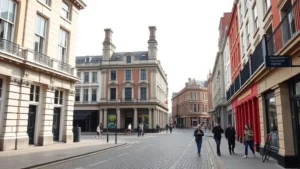
Imagine strolling through Zurich’s Kunsthaus after class, discussing abstraction over coffee. You might be wondering: what sets Swiss arts education apart? The truth is, Switzerland’s decentralized system encourages collaboration between universities and freelance artists. That structure fuels a dynamic environment—one that’s hard to find elsewhere.
Here’s the thing: Zurich’s population grew by 15% between 2020 and 2040 projections, welcoming students from 170 countries (World Cities Culture Forum). That diversity translates into a melting pot of ideas, styles, and cultural perspectives.
“Swiss cultural policy reforms now include bridging funding for freelancers and new models for theatre and dance, securing a creative workforce,” explains the OECD.
Now, why does this matter? Because you won’t just learn technique—you’ll join a living community where innovation meets tradition. Short courses, workshops, residencies—they’re all part of the package. Ready to dive deeper?
Top institutions and programs
Switzerland boasts several world-class schools. Let me explain why each is unique:
- Zurich University of the Arts (ZHdK): Europe’s largest arts university offers fine arts, design, music, and film. Project-based learning is its hallmark.
- École cantonale d’art de Lausanne (ECAL): Renowned for graphic design and digital arts, ECAL partners with tech labs like CERN for interdisciplinary residencies.
- Geneva University of Art and Design: Emphasizes research-driven practice in visual and applied arts.
- Lucerne School of Art and Design: Small cohorts, close mentorship, strong links to the performing arts community.
Each institution has its own flavor. For instance, at ECAL you might prototype an interactive sculpture with local engineers. At ZHdK, expect to present your thesis in June on the banks of the Limmat.
Funding and support for aspiring artists
Money matters. Guess what? Swiss cantons and private foundations pour millions into creative programs every year. But how do you tap into this? Here are key routes:
- Swiss Government Excellence Scholarships: For graduates and postgraduates. Offers monthly stipends and research grants.
- Cantonal Scholarships: Each canton has its own criteria and deadlines—do your homework.
- Private Foundations: Organizations like Pro Helvetia fund arts projects and travel grants.
Actionable takeaway: Create a timeline for each application. Missing one deadline could mean waiting a whole year.
“Applying early gave me extra time to refine my portfolio,” notes an alumna from ZHdK.
Digital and interdisciplinary arts trends
Digital is the new black in Swiss art schools. Why settle for canvas alone? Classes now blend coding, AR, and robotics with traditional techniques.
Take the Arts@CERN residency: artists collaborate with scientists to visualize particle data. That’s not just fancy jargon—graduates emerge with CVs that stand out in any creative field.
- Immersive media labs (VR, AR).
- Bio-art workshops using living materials.
- Sound-art collaborations with electronic music studios.
You’ll learn to think across disciplines. Need proof? In 2024, over 60% of ECAL’s projects incorporated AI elements.
How to apply: steps to study arts in Switzerland
Ready to make moves? Here’s a simple roadmap:
- Research programs that match your interests and check language requirements (German, French, or English B2).
- Prepare your portfolio with 10–15 high-quality pieces—show growth and experimentation.
- Pass language tests (IELTS, TOEFL, or equivalent). Some schools offer prep courses.
- Submit applications by January or February—deadlines can vary.
- Apply for scholarships immediately after acceptance. Use official forms and attach reference letters.
- Plan your visa through the Swiss embassy in your country—processing can take 8–12 weeks.
And another thing: network early. Join online forums, LinkedIn groups, or local alumni meetups.
- Program shortlist
- Completed portfolio
- Language certificate
- Funding applications
- Visa documents
FAQ
Q: What tuition fees can I expect?
A: Public universities range from CHF 500–1,500 per semester. Private schools may charge up to CHF 20,000.
Q: Is knowing German or French mandatory?
A: Many programs are in English, but basic local language skills will enrich your experience.
Q: Can I work while studying?
A: Yes—international students can work up to 15 hours a week during term.
Q: How competitive are admissions?
A: Admission rates hover around 30–40% for top programs—quality portfolios make a difference.
Q: Are there internships available?
A: Absolutely. Institutions partner with galleries, theaters, and media companies for placements.
Conclusion
To sum up, Switzerland offers a unique blend of tradition and innovation if you choose to study arts in Switzerland. You’ll join a diverse cohort, benefit from generous funding, and explore interdisciplinary frontiers. Next steps: research your dream program, polish your portfolio, and secure funding. By following these actions, you’ll be well on your way to crafting your own success story in the Alps. Embrace the challenge—and let your creativity take flight in 2025!