SEO Analytics 2026: Metrics & Dashboards
Everyone’s curious about how their website stacks up in organic search—especially in 2026, when AI-driven insights flood the scene. You’ve set goals, but raw data without context feels like trying to solve a puzzle blindfolded. The truth is, mastering seo analytics means connecting metrics to revenue and making smarter decisions. In this article, you’ll learn how to track meaningful SEO metrics, build dashboards that spotlight opportunities, and set up alerts that keep you ahead of the curve. You might be surprised to hear that 72% of marketers now rely on custom dashboards to align SEO with business goals PPC Land. Ready to turn numbers into action? Let’s dive in.
Table of Contents
- Understanding SEO Analytics in 2026
- Must-Track SEO Metrics for 2026
- Crafting Dashboards That Drive Decisions
- Integrating AI-Driven Metrics
- Top SEO Analytics Tools for 2026
- FAQ
- What is seo analytics?
- How do I create a custom SEO dashboard?
- Which SEO metrics matter most?
- How often should I review SEO analytics?
- What are common mistakes in SEO analytics?
- Conclusion
Understanding SEO Analytics in 2026
Picture a world where every click, scroll, and conversion is mapped in real time to your biggest goals. In other words, seo analytics isn’t just about tracking keyword rankings anymore. It’s about seeing how each organic visitor impacts your bottom line. Gone are the days when you stared at spreadsheets filled with traffic numbers—all that raw data now feeds into custom dashboards that highlight trends and anomalies instantly. Imagine spotting a dip in page speed before it costs you organic traffic.
Let me explain why this matters. SEO has grown more competitive; search engines leverage AI to personalize results. If you don’t track engagement in AI Overviews or citation ranking, you’re flying blind. By integrating metrics like SERP feature ownership and AI-driven engagement, you can adjust content and technical SEO on the fly, ensuring your pages stay visible.
Take Onfolio’s Precision Metrics dashboard, launched in September 2025. It pulls GA4 ecommerce dimensions and backlinks data into one view, helping marketing teams identify underperforming pages before traffic shifts. In the first month, Eastern Standard LLC saw a 15% increase in organic lead attribution.
“Tools like GA4 provide powerful access to data—but you need custom views to make sense of it,” says Jim Keller, Eastern Standard LLC.
Actionable Takeaway: Audit your current analytics setup. Ensure you’re capturing AI-driven engagement and SERP features. Then map those metrics directly to your revenue targets.
Must-Track SEO Metrics for 2026
Here’s the thing: not all SEO data is created equal. You might be wondering which metrics truly move the needle. Simply put, focus on KPIs that tie back to business outcomes. Plus, some emerging numbers deserve a spot on your dashboard.
- Organic Traffic: Track sessions, users, and new vs. returning visitors.
- Keyword Ranking Distribution: Monitor how many keywords appear in top 3, top 10, or beyond.
- SERP Feature Ownership: Measure presence in featured snippets, People Also Ask, and knowledge panels.
- AI Overview Engagement: Gauge clicks, time on page, and scroll depth on AI-driven search results.
- Page Load Speed: Core Web Vitals like LCP, FID, and CLS directly impact both UX and rankings.
- Indexed Pages: Ensure your key landing pages are crawled and indexed properly.
- Backlink Profile Health: Track referring domains, spam score, and link growth velocity.
- Conversion Efficiency: Analyze funnel stage conversions from organic entry to goal completion.
Why waste time tracking vanity stats when you could focus on high-impact data? For example, if your page load speed inches past 3 seconds, bounce rates spike. On the flip side, owning a featured snippet can boost click-through rates by up to 8%. It’s worth noting that 67% of clicks now go to SERP features rather than organic listings Search Engine Land.
Real Example: An ecommerce site used a custom dashboard seo dashboards to spot a sudden drop in featured snippet clicks. They rewrote the snippet content, regained 12% of lost traffic, and increased revenue by 5% month over month.
Actionable Takeaway: Pick three metrics you’re not currently tracking. Build dashboard widgets for them, set up daily alerts, and review weekly.
Crafting Dashboards That Drive Decisions
You might be wondering how to bring all these metrics into one cohesive view. Here’s your roadmap. Start by aligning your SEO objectives—do you prioritize traffic, revenue, or brand visibility? Then choose the right visualization.
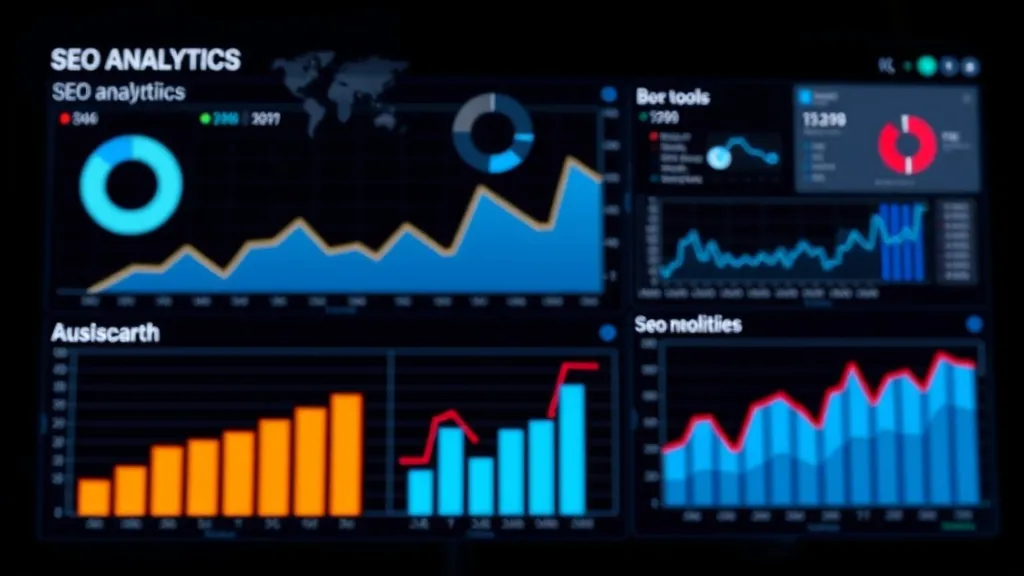
Data visualization matters. Bar charts, heat maps, and trend lines all tell different stories. Imagine a heat map that highlights pages with high traffic but low conversions. That’s an instant prompt to optimize CTAs.
Case Study: Scaleo.io highlights several marketing dashboard examples, including SEO-specific views that combine organic traffic, backlinks, and page speed in a single pane. One company reduced reporting time by 60%, freeing up hours for strategy and content creation.
“Real-time dashboards are game-changers—they show you problems before they become crises,” notes a digital marketing manager who adopted a multi-source dashboard.
Actionable Takeaway: Use a tool like ZapDigits or build custom GA4 reports that feed into your dashboard platform. Ensure stakeholders can filter data by date range, traffic source, and device type.
Integrating AI-Driven Metrics
Interestingly enough, AI has reshaped how we think about search data. Let me explain why you shouldn’t ignore AI-driven metrics. Traditional rankings tell part of the story, but AI Overview engagement and citation tracking fill in the rest.
Emerging Trend: Tools now track which pages appear in ChatGPT-like overviews, how many citations they receive, and user engagement within those panels. It’s almost like watching your content go head-to-head with AI ecosystems.
Example: A SaaS company monitored AI feature clicks via a custom BI integration. They discovered that 20% of their traffic came from AI-generated snippets. By tweaking headings and schema markup, they increased that share to 35% within two months.
Actionable Takeaway: Audit your site for schema errors. Add FAQ, HowTo, and Product schema where relevant. Then track your AI feature presence monthly.
Top SEO Analytics Tools for 2026
Wondering which platform fits your needs? Below are some standout options that blend data sources, AI insights, and user-friendly dashboards seo analytics tools.
- Google Analytics 4: Expanded ecommerce dimensions since August 2025 give you deeper product-level SEO insights PPC Land.
- Ahrefs: Robust backlink index and keyword tracker with custom alert capabilities.
- SEMrush: AI-powered SERP feature analytics and SEO content templates.
- ZapDigits: Affordable multi-source dashboards, scalable for small businesses.
- Precision Metrics by Onfolio: Custom GA4 integrations for real-time lead source clarity.
FAQ
What is seo analytics?
SEO analytics is the process of collecting, measuring, and interpreting data from organic search performance to optimize website visibility, traffic, and conversions.
How do I create a custom SEO dashboard?
Begin by identifying your top KPIs. Use tools like GA4, Search Console, and third-party platforms. Combine data sources in BI or dashboard tools, design visualizations, and schedule automated reports.
Which SEO metrics matter most?
Focus on organic traffic, keyword rankings, SERP feature ownership, page speed, backlink profile, and conversion efficiency. Then map these to business outcomes.
How often should I review SEO analytics?
Daily alerts for critical issues, weekly reviews for trends, and monthly deep dives to align with strategic goals.
What are common mistakes in SEO analytics?
Common mistakes include tracking vanity metrics, ignoring AI-driven data, and failing to connect metrics to revenue. Always align your analytics with business objectives.
Conclusion
Tracking seo analytics in 2026 means more than watching rankings—it’s about connecting every metric to real outcomes. You’ve learned to identify key metrics, craft dashboards, integrate AI-driven data, and choose the right tools. Now it’s your turn. Start by auditing your tracking implementation, building a custom dashboard, and setting up alerts for critical changes. Monitor AI feature engagement and refine schema markup over time. The bottom line is: smart analytics drive smarter decisions. Ready to turn data into action? Get moving—your competition won’t wait.