Top Cities in Ireland to Study English
You know how confusing it can be when you’re picking a city to learn English abroad? In fact, Ireland saw a 15% rise in international student enrollment in 2024 (Euronews). And yes, you’re in the right place. In this guide, you’ll discover the top cities in Ireland to study English and get practical tips on cost, culture, and the best language schools. From Dublin’s dynamic campus life to Galway’s artsy festivals, plus Cork’s friendly neighborhoods and Limerick’s budget-friendly scene, it’s all here. Let’s dive in.
Table of Contents
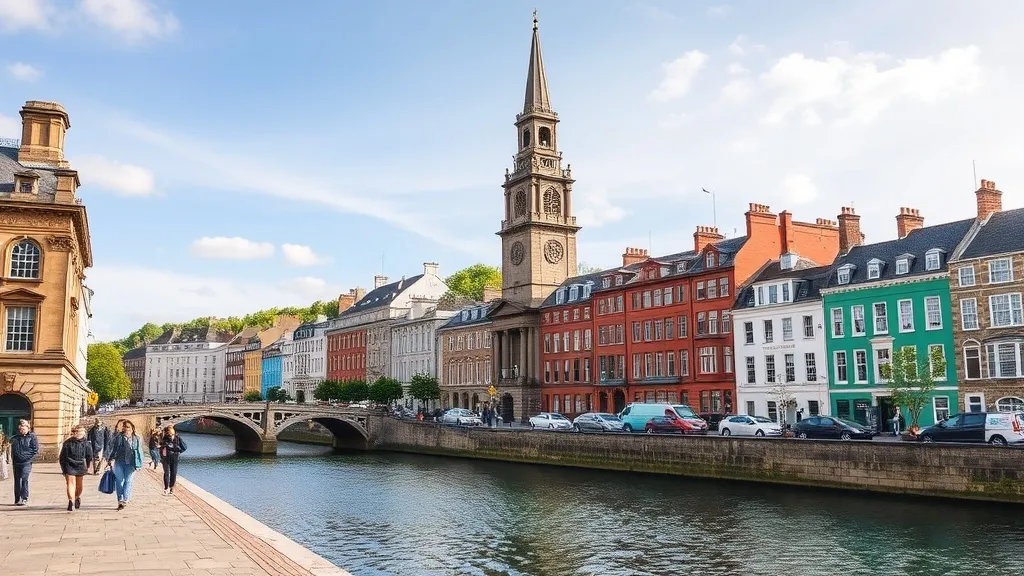
Dublin: Ireland’s Academic Powerhouse
Imagine studying English where centuries of history meet a modern tech hub.
As the capital city, Dublin offers the largest concentration of universities in Ireland, including University College Dublin, Trinity College Dublin, and Dublin City University. It matters because you get access to world-class faculty, cutting-edge resources, and a vibrant English-speaking environment.
Students can choose from over 20 English language programs across the city. Many courses include cultural excursions—think guided tours of Dublin Castle or literature walks along the River Liffey. Case in point: a Brazilian student, Maria, improved her fluency by joining a conversation club at DCU while interning at a local startup.
“Dublin’s mix of history and innovation is unbeatable for language learners,” says John O’Neill, Director of English Programs at Trinity College.
Actionable takeaway: Apply early for Trinity’s summer immersion courses; they fill up by March. Factor in a living cost of around €1,200–€1,500 per month.
Galway: The Cultural Heart for English Learners
Galway’s festival buzz might make you fall in love at first sight.
This western gem is known for arts, music, and affordable student living. Yearly events like the Galway International Arts Festival attract native English speakers and learners alike.
Courses at the National University of Ireland, Galway and Galway Mayo Institute of Technology blend classroom lessons with real-world practice—street interviews, pub quizzes, and local theatre visits. For example, Li from Japan joined a playwriting workshop that boosted her conversational English and confidence in public speaking.
“Galway’s community feel makes every learner feel at home,” notes Dr. Emma Clarke of NUI Galway.
- Monthly rent: €700–€900
- Student population: Over 18,000
- International student share: Roughly 8%
Actionable takeaway: Register for NUI Galway’s autumn terms by May to enjoy festival student discounts.
Cork: Tech Meets Tradition
Cork proves that big-city benefits and small-city warmth can coexist.
With a growing tech sector and a strong university presence, Cork offers a unique mix of career prospects and cultural enrichment. University College Cork, for instance, hosts specialized English courses for professionals looking to polish business communication skills.
A case study: Ahmed from Egypt attended a six-week business English program at UCC, then secured an internship at a local tech firm. He credits his improved writing and presentation skills to targeted workshops and weekly networking nights.
“Cork’s internship options give language learners a real competitive edge,” says Siobhán Murphy, Career Advisor at Cork College.
Actionable takeaway: Check UCC’s internship-integrated programs and start visa paperwork at least 8 weeks before arrival.
- Average monthly expense: €800–€1,000
- Students per class: 10–15 learners
- Post-study work permit: 24 months
Limerick: The Budget-Friendly Choice
If cost matters most, Limerick won’t disappoint.
Known for cheaper housing and emerging tech jobs, Limerick is increasingly popular among international learners. Mary Immaculate College and the University of Limerick offer English language pathways tailored to undergraduates and postgraduates.
Consider the story of Juana from Spain, who joined UL’s pre-sessional English course. She saved 20% on living costs compared to Dublin, allowing her to travel around Ireland on weekends and practice English in various settings.
“Limerick’s affordability allows students to focus on learning without financial stress,” confirms Dr. Patrick Hayes of UL.
Actionable takeaway: Compare housing options on student forums and secure a room share four months ahead.
Comparing Costs and Student Life
Wondering which city fits your budget and lifestyle?
Here’s a concise comparison:
- Dublin: High cost, premium programs, busiest city life.
- Galway: Moderate cost, artsy vibe, tight-knit community.
- Cork: Moderate cost, tech opportunities, balanced pace.
- Limerick: Low cost, quieter, growing academic scene.
Each city offers unique pros and cons. The truth is, your ideal choice hinges on personal priorities—be it budget, course specialization, or cultural immersion.
FAQs
- What is the visa processing time for student visas?
- It typically takes 4–8 weeks for a Type D student visa.
- When should I apply for undergraduate programs?
- EU applicants: by February 1. Non-EU applicants: by May 1.
- How much does living cost in Ireland on a student budget?
- Expect €700–€1,500 monthly, depending on the city and housing type.
- Are internships included in language programs?
- Some universities, like University College Cork and DCU, offer internship-integrated English courses.
- Which city has the friendliest locals?
- Galway and Cork are famed for their welcoming communities and pub gatherings.
Conclusion
Choosing from the top cities in Ireland to study English means weighing cost, culture, and career goals. Dublin dazzles with its academic reputation and urban buzz. Galway wins hearts with its festivals and affordability. Cork strikes a balance between innovation and tradition. Limerick stands out as the budget-friendly newcomer ready to impress.
To get started:
- Research course dates and application deadlines for your chosen city.
- Calculate your monthly budget, including accommodation and transport.
- Submit your visa application at least eight weeks before your program begins.
Ready to master English in Ireland? Your adventure awaits in one of these vibrant cities—where language learning meets unforgettable experiences.