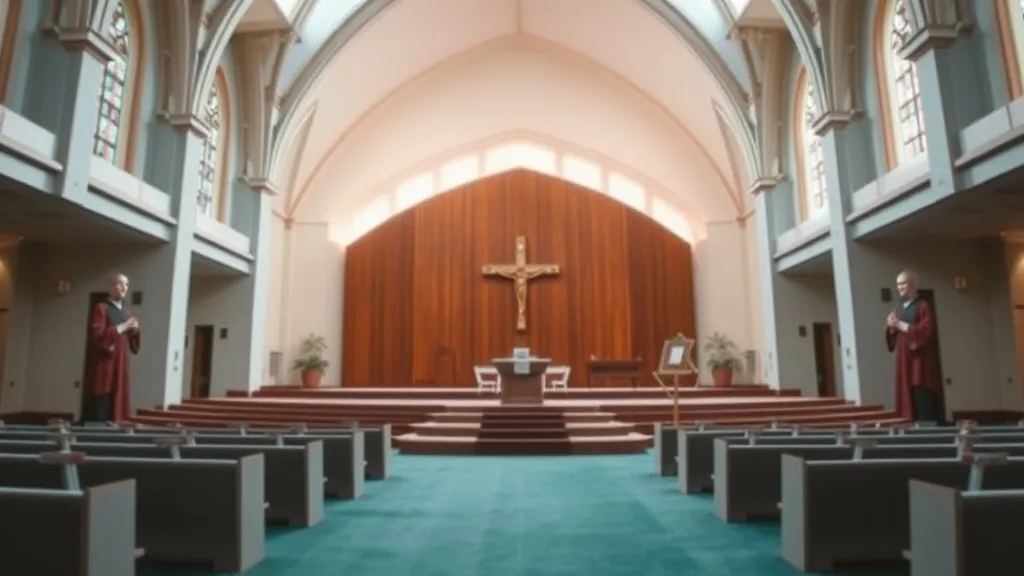
Study Theology in Ireland: Courses
You’ve likely noticed how Ireland has long been a beacon for deep religious scholarship. When you study theology in Ireland, you tap into centuries of tradition and modern innovation. Statistics show Ireland ranks third in Europe for religious studies programs, offering over 20 specialized courses source. In this guide, you’ll learn exactly what it takes to get started, from course options and entry requirements to funding and career pathways. Ready to dive in? Let’s explore the best theology programs Ireland 2026 has on offer.
One step closer to your calling.
Table of Contents
Why Study Theology in Ireland?
Have you ever wondered why Ireland stands out for its theological programs?
Ireland’s rich Christian heritage and evolving religious landscape create a unique learning environment. Over 30% of theology graduates report interdisciplinary research opportunities in areas like human rights and environmental ethics University of Galway. That means you don’t just study ancient texts—you engage with today’s global challenges.
Let me explain why this matters. Theological study here is more than doctrine. It’s dialogue, critical thinking, and public engagement. You’ll join conversations on climate justice, politics, and spirituality.
“The heart of theology is dialogue—between texts, traditions and today’s issues.” – Prof. Alison Forrestal
Actionable takeaway: Identify which research themes excite you most—politics, environmentalism, or ministry—and start narrowing your options.
Study Theology in Ireland: Course Options at Leading Universities
Picking the right program can feel overwhelming. Here’s a snapshot of top institutions:
- Belfast School of Theology (Wikipedia)
Undergraduate: BA (Hons) Theology, HE Certificate Theology
Postgraduate: Graduate Certificate, Graduate Diploma, PG Certificate Practical Theology, PG Diploma Practical Theology, MA Practical Theology
Study modes: Full-time & part-time - University of Galway – Centre for the Study of Religion
Research focus: Interdisciplinary, secular, public engagement
Themes: Religion & politics, human rights, environmentalism, spiritualities - Durham University – Catholic Theology Distance Learning (UCAS)
Entry: 2:1 degree in Theology or related field
Modules: Contemporary Catholicism, Twentieth-Century Catholic Theology, Catholic Social Thought, Theology of Thomas Aquinas
Assessment: Essays & oral exams
International pathway: Pre-Masters available
Example: Jane from Dublin opted for the MA Practical Theology at Belfast, combining her pastoral experience with academic study. Now she designs community outreach programs in Cork.
Actionable takeaway: Visit each department’s website and list three programs that match your interests. Then check deadlines.
Entry Requirements and Application Process
Wondering what grades you need? You’re not alone.
Each program has specific requirements, but here’s a general guide:
- Undergraduate: Two A-level grades at C or above (or equivalent).
- Postgraduate: Minimum 2.2 undergraduate degree plus relevant ministry or research experience.
- English Proficiency: IELTS 6.5+ or equivalent for non-native speakers.
- Personal Statement: Highlight your passion for theology and any practical experience.
Common Mistake: Waiting until the last minute to request references. Start early—most referees need 2–3 weeks.
Actionable takeaway: Draft your personal statement by listing three unique experiences that shaped your theological interest.
Scholarships and Funding
Financing your study can be a hurdle. But Ireland offers several support options.
- Government Grants: SUSI grants for undergraduates.
- University Scholarships: Merit-based awards at Galway and Trinity College Dublin.
- Private Foundations: Cork Theological Society bursaries.
Pro tip: Contact the department’s postgraduate office for unpublished funding opportunities.
Actionable takeaway: Compile a funding calendar with deadlines at least 4 months ahead.
Career Paths with a Theology Degree
Theology isn’t just for clergy. Here are career options:
- Academia & Research
- Clergy & Pastoral Work
- Non-Profit & Human Rights
- Education & Teaching
- Journalism & Publishing
Case Study: After her MA, Sarah joined an NGO focusing on faith-based humanitarian projects in Africa. She credits her practical theology modules for real-world readiness.
Actionable takeaway: Attend a career fair or online webinar to network with alumni.
Frequently Asked Questions
- What grades do I need to study theology in Ireland?
- Undergraduates need two C grades at A-level; postgraduates usually require a 2.2 or above.
- Can I study theology online?
- Yes—programs like Durham’s distance learning degree let you study remotely.
- Are scholarships available for 2026?
- Yes. Check university websites for merit scholarships and government grants, especially SUSI for undergraduates.
Conclusion
Studying theology in Ireland offers a blend of historic depth and modern relevance. You’ve now seen the top courses, entry steps, funding sources, and career pathways. Next, shortlist three programs, draft your personal statement, and apply for scholarships. Feel free to reach out to department advisors—they’re there to help. Your journey into theology could spark transformation, both personally and in the wider world. Good luck as you embark on this exciting path!