Study Archaeology in Ireland
You’ve always been fascinated by ancient ruins, artifacts and the stories they tell. If you’re ready to study archaeology in Ireland, you’ll dive into a rich heritage that spans thousands of years. Surprisingly, the Radiocarbon Ireland project was awarded €219,997.50 to curate and validate 15,000 radiocarbon dates, boosting our understanding of Irish prehistory [1]. You’ll discover how to pick the best program, gain hands-on fieldwork experience, and launch a rewarding career. Ready? Let’s explore the key steps to make your archaeological dreams a reality. Simple. Engaging. Informative.
Table of Contents
Why Study Archaeology in Ireland?
Imagine unearthing a 2,000-year-old Roman pot in Dublin. Intriguing, right?
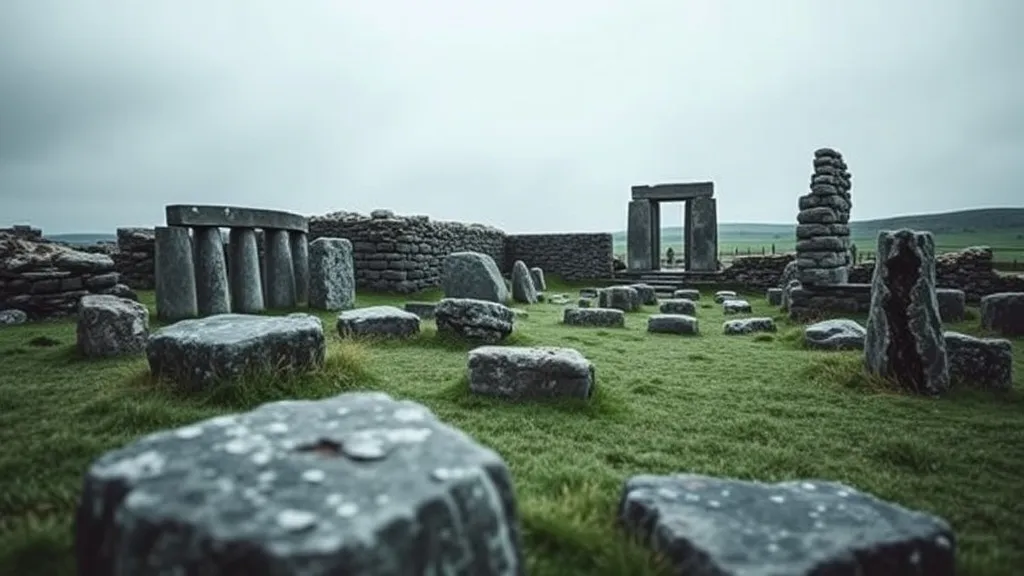
Ireland’s landscape is dotted with Neolithic tombs, Bronze Age forts and Viking settlements. You’ll join researchers who combine ancient DNA analysis with excavation—challenging old assumptions about social hierarchies at Newgrange [3]. Plus, interdisciplinary methods mean you’ll learn geology, chemistry and digital mapping alongside field techniques.
“Radiocarbon Ireland will transform archaeological chronology by validating and openly sharing thousands of radiocarbon dates,” says Neil Carlin of UCD.
- World-class heritage sites (e.g., Newgrange, Céide Fields)
- Strong funding for projects in scientific dating and digital archives
- Access to open-access repositories like the Archaeology Data Service [2]
- Collaborations with leading international institutions
- Vibrant student communities and field schools
Top Archaeology Programs in Ireland
Here’s the thing: not all degrees are created equal. You want an accredited program with fieldwork embedded into the curriculum.
University College Dublin (UCD) and the University of Galway consistently top the charts. UCD’s BSc Archaeology offers modules in excavation methodology, artifact conservation and Irish medieval archaeology. At Galway, the BA Archaeology second-year module examines identity and social change from the Iron Age to the 12th century AD [4]. Both programs emphasize small-group tutorials and summer field schools.
- University College Dublin: BA & BSc Archaeology, postgraduate options, radiocarbon labs
- University of Galway: BA Archaeology, Celtic studies integration, volunteer digs
- Maynooth University: MA in Archaeology, heritage management streams
Curious about scholarships? Keep reading.
Research and Fieldwork Opportunities
Hands-on experience is non-negotiable. You might be wondering: how do I land a spot on an excavation?
Summer field schools run across Ireland, from coastal sites in Cork to Bronze Age tombs in Meath. Many programs partner with the Radiocarbon Ireland initiative—meaning you’ll handle real samples in state-of-the-art labs.
Interdisciplinary labs now integrate ancient DNA and isotopic analysis. That said, don’t underestimate basic skills: manual excavation and field recording remain core to any dig.
“Our project aims to equip archaeologists with scientific dating skills to maximize the potential of Ireland’s rich archaeological record,” explains Helen Lewis of UCD.
How to Apply to Archaeology Programs
Ready to submit your application? Here’s a simple roadmap:
- Research courses and entry requirements (A-level/Leaving Cert grades, language proficiency).
- Gather academic transcripts, reference letters and a compelling personal statement.
- Highlight any field experience or volunteer work in your CV.
- Submit applications via the central Applications Office (CAO) before the January deadline.
- Prepare for interviews or portfolio reviews, if required.
Note: some postgraduate programs ask for a research proposal (200–500 words) outlining your archaeological interests.
Career Prospects and Alumni Success
Wondering where a degree in Irish archaeology can lead? The bottom line is: very far.
- Heritage management roles in museums and national trusts
- Commercial archaeology—contract digs and planning archaeology
- Academic research and PhD pathways
- Science communication and public outreach
- Consulting in cultural resource management
For example, alumni from the University of Galway now coordinate EU-funded excavations in Spain and Norway. Others join government heritage agencies or work in digital archiving.
Future Trends in Irish Archaeology
Interestingly enough, the field is evolving rapidly.
Digital archaeology—using GIS, 3D modelling and open-access data—is now standard. Synthetic archaeology blends multiple data streams to reconstruct past landscapes. And increased funding, like the €220K grant for radiocarbon curation, ensures you’ll always find a cutting-edge project.
FAQ
- Q: What grades do I need to study archaeology in Ireland?
A: Typically B2/A in your senior exams (Leaving Cert or equivalent) for undergraduate entry. - Q: Are scholarships available?
A: Yes—check university websites for archaeology scholarships and government postgrad funding. - Q: Can I work while studying?
A: Many students balance part-time roles in heritage centres or labs; just manage your workload carefully. - Q: Do I need to know Irish?
A: Not for most programs—but language skills can help in fieldwork, especially in Gaeltacht regions. - Q: What’s the best season for fieldwork?
A: Summer months (June–August) offer optimal weather and open-site access.
Conclusion
To sum up, Ireland offers unparalleled opportunities to study archaeology—melding ancient sites, cutting-edge labs and supportive communities. You’ll gain hands-on fieldwork, learn from leading experts and unlock career pathways in heritage, research and beyond. Ready to begin? Here’s your action plan:
- Identify your top 3 programs and check entry requirements today.
- Reach out to faculty or current students for insights (most departments offer virtual open days).
- Start drafting your personal statement—highlight your passion for Ireland’s past.
Embark on this journey now, and you’ll soon be unearthing stories older than most civilizations. Your adventure to study archaeology in Ireland starts here—good luck!