Art Switzerland 2025: Creative Programs
If you’re dreaming of refining your artistic voice in a world-class setting, you’re not alone. Did you know that Switzerland’s public expenditure on education reaches 12.6% of total public spending—higher than many OECD peers? (source: OECD) In this guide, you’ll discover why so many creatives choose to study art in Switzerland. We’ll explore top schools, application strategies, funding paths, and the vibrant cultural scene that makes Switzerland a canvas for your next masterpiece. Ready to dive in? Let’s go.
Table of Contents
- Study Art in Switzerland: Why It Matters
- Top Creative Programs and Institutions
- How to Apply and Admission Requirements
- Scholarships and Funding Options
- Student Life and Cultural Immersion
- Future Trends in Swiss Art Education
- FAQs
- How much does it cost to study art in Switzerland?
- What language proficiency is needed?
- Can I work while studying art in Switzerland?
- When should I start preparing my portfolio?
- Conclusion
Study Art in Switzerland: Why It Matters
What makes Swiss art education stand out? With world-renowned institutions and a deep cultural heritage, studying art in Switzerland opens doors to unmatched resources. The truth is, Swiss art schools blend traditional craftsmanship with cutting-edge research—and that’s a rare combo.
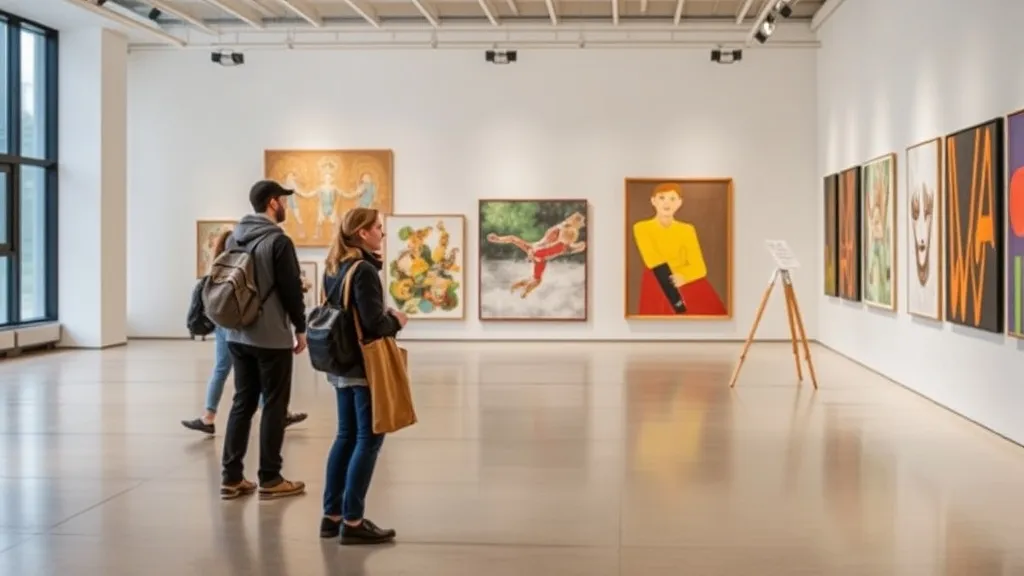
Switzerland ranks fifth globally in art trade market share, hosting giants like Art Basel and leading auction houses. This ecosystem offers students first-hand exposure to professional galleries and international networks. Fees remain moderate thanks to substantial public funding, easing your financial concerns while you immerse yourself in creativity. Imagine drawing inspiration from the Alps themselves—talk about fresh perspectives.
“ZHdK plays an active role in artistic and design research, collaborating internationally to push the boundaries of creative education.”
– Zurich University of the Arts official communications
- Access to world-class museums and galleries
- Collaborations with industry and research centers
- High public investment in tertiary education
- Multilingual learning environments
Top Creative Programs and Institutions
Dreaming of painting in Basel or designing in Lausanne? You’ve got options. Switzerland’s leading art schools each have unique strengths:
- Zurich University of the Arts (ZHdK): With around 2,500 students, it’s the largest arts university in Switzerland. Offers BA and MA across fine arts, film, design, and more. Learn more.
- ECAL – University of Art and Design Lausanne: Known for industrial design and photography. Close industry partnerships fuel real-world projects.
- Geneva University of Art and Design (HEAD): Emphasizes contemporary art and critical research, forging new artistic directions.
- University of Applied Sciences and Arts of Western Switzerland (HES-SO): Offers specialized programs in illustration and multimedia art.
Check our overview of art schools in Switzerland 2025 for detailed course offerings.
How to Apply and Admission Requirements
Ready to submit that portfolio? First, check language prerequisites—many programs require proficiency in English, German, or French. Deadlines typically fall between December and February for fall intake.
Here’s a simple checklist:
- Research program focus and faculty.
- Prepare a portfolio with 10–15 high-quality pieces.
- Collect transcripts, CV, and language certificates.
- Submit applications via the school’s online portal.
- Attend interviews or portfolio reviews if invited.
You can find more tips on how to apply for art school in Switzerland.
Scholarships and Funding Options
Worried about costs? Although public funding keeps tuition reasonable, living expenses in Swiss cities can be steep. Scholarships can be a game-changer.
- Swiss Government Excellence Scholarships: For postgraduates, covering living allowance and tuition.
- Swiss Art Awards: Grants for emerging artists presented by the Federal Office of Culture.
- Erasmus+: Exchange scholarships for EU students.
- Institutional Grants: Many schools offer merit-based aid; check each program’s website.
One student, Emma, secured a Swiss Government Excellence Scholarship by showcasing her research on sustainable art materials—proof that innovation pays off.
Don’t forget to contact the Swiss embassy in your country early. Deadlines can vary (some as early as November).
Student Life and Cultural Immersion
Art isn’t just in studios here. You’ll find inspiration around every corner—from Basel’s three-weeklong Art Basel fair to Geneva’s historic museums.
Imagine sketching in a lakeside café or collaborating with peers at pop-up exhibitions. Swiss public transport is efficient (and student-friendly), making weekend trips to Zurich, Bern, or even nearby Munich a breeze.
- Part-time work opportunities in galleries and cafes
- Swiss student associations hosting workshops
- Language exchange meetups to improve local languages
- Annual art festivals and open studios
Keep an eye out for youth art initiatives that welcome fresh talent—some kick off in early 2026, fostering early-career networking.
Future Trends in Swiss Art Education
Interestingly enough, blockchain and NFT courses are popping up. Institutions now offer modules on digital ownership and the art market’s next frontier.
Transdisciplinary research remains hot. ZHdK, for instance, launched a sustainability-focused art lab in 2024 that merges ecology with design.
“Art education must evolve with technology while retaining its human essence.”
– Swiss Congress for Art History 2026 panel
Stay flexible. The bottom line is: your education should adapt to new media and societal needs. Keep scouting program updates and emerging workshops.
FAQs
How much does it cost to study art in Switzerland?
Tuition varies by institution but generally ranges from CHF 500 to CHF 4,000 per semester. Living costs average CHF 1,500–2,000 monthly.
What language proficiency is needed?
Most programs require English proficiency (TOEFL/IELTS). German- or French-taught courses need B2-level certificates.
Can I work while studying art in Switzerland?
Yes; non-EU students can work up to 15 hours a week. It’s a great way to gain gallery experience (and some cash).
When should I start preparing my portfolio?
Begin at least six months before deadlines. Ask mentors for feedback and revise continuously.
Conclusion
We’ve covered why you should study art in Switzerland, explored top schools, walked through applications, and outlined funding paths. Mixing tradition with innovation, Swiss art education offers a truly global perspective. Ready to take the next step? First, shortlist programs that match your creative goals. Second, craft a standout portfolio that tells your story. Third, apply for scholarships that align with your interests. Embrace the adventure—your artistic future awaits. Study art in Switzerland and let your creativity thrive.