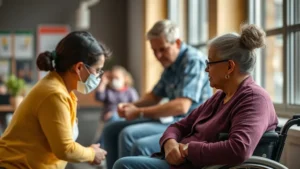
Belgium Volunteering Guide 2025
Volunteering in Belgium connects passionate individuals with vibrant communities across the country. You wonder where to begin and how it all works? In this guide, you’ll learn the top programs, legal steps, and insider tips for a smooth journey. We’ll cover what volunteering is in Belgium, why it matters, how to get started, top initiatives, and future trends.
Did you know that around 45% of Belgians engage in formal volunteer activities each year (SwissInfo)? You’ll find out where to plug in your skills and make a real impact. Ready?
Table of Contents
What Does Volunteering in Belgium Entail?
Looking for clarity on volunteering in Belgium? You’re not alone.
In Belgium, volunteering spans from community projects and youth exchanges under the European Solidarity Corps (ESC) to digital roles like online tutoring or translation (and yes, remote help counts!). Formal volunteering programs often require registration with recognized NGOs or municipal bodies. At the same time, informal efforts—such as helping at a local food bank—can be just as rewarding.
“Every little contribution you make is positive for society. Isolation is not in the interest of the community,” notes Müller of the Swiss Society for the Common Good.
Case in point: Lara, a graphic designer from Spain, joined an ESC project in Ghent to teach art workshops to kids. She received €630 monthly to cover living expenses under ESC funding rules (Eurodesk).
Read also: Clinic Volunteering Guide
Why Volunteering Matters
Ever consider the ripple effect of a single act of kindness?
Volunteering boosts social cohesion, especially in multicultural hubs like Brussels. Post-pandemic data shows a slight increase in volunteer rates, reflecting a renewed community spirit. Plus, you build skills, expand your network, and boost your CV.
- Enhances interpersonal skills
- Strengthens local communities
- Provides cultural exchange
For example, the “Youth Connect” program in Antwerp brought together volunteers and seniors for digital workshops, fostering trust between generations. Coaches with youth work experience play a crucial role, as one Eurodesk coach explains: “Coaches with youth work experience support young volunteers to implement solidarity projects successfully.”
Actionable takeaway: Reflect on your motivations—social impact, personal growth, or career boost.
How to Get Started: Steps and Requirements
Getting started can feel like navigating a maze. Let me guide you.
Whether you’re EU resident or coming from abroad, here’s a simplified process:
- Choose a program: ESC, local NGOs, or digital platforms.
- Check eligibility: age 18–30 for ESC; no upper limit for local volunteering.
- Secure visa (non-EU nationals): apply for a volunteer visa (type D) at your Belgian embassy. See detailed volunteering-visa-requirements-belgium.
- Prepare documents: CV, motivation letter, health insurance.
- Submit application before deadlines (often 1–3 months in advance).
Case study: Jack, a US student, missed his ESC deadline and had to wait six months to reapply. Avoid that.
Actionable takeaway: Create a timeline with all deadlines and document requirements.
Top Volunteer Programs and Initiatives 2025
Looking for programs? Here’s a quick overview of popular choices in 2025.
- European Solidarity Corps Belgium volunteering — ideal for youth, €630 stipend.
- Local municipal volunteering — food banks, elderly care, language cafés.
- Digital volunteering platforms — online teaching, translation, campaign support.
- Workaway in Belgium — cultural exchange, accommodation included.
For instance, Workaway hosts offer free lodgings in exchange for 4–5 hours of help daily, from gardening to language coaching (Workaway).
Practical Tips and Common Pitfalls
Want to get it right the first time?
- Learn basic Dutch, French, or German to ease communication.
- Secure health and liability insurance before arrival.
- Confirm accommodation details upfront.
- Budget for local transport and incidental expenses.
Read also: Disabled Adults Volunteering
Future Trends in Belgian Volunteering
Ever wondered where volunteering is headed?
Digital volunteering will grow—expect more remote roles in counseling, translation, and digital marketing. Climate-focused projects will gain traction, too, as Belgium ramps up sustainability goals. Lastly, hybrid models combining in-person and online efforts are on the rise.
That said, staying flexible is key. Keep an eye on official calls on the EC’s portals and local council websites.
Actionable takeaway: Subscribe to newsletters from Eurodesk and municipal volunteer centers.
Frequently Asked Questions
- How old do I need to be to volunteer in Belgium?
- Most EU-funded programs like ESC target 18–30 year olds. Local NGOs often accept volunteers 16+.
- Do volunteers get paid?
- Formal programs provide stipends (e.g., ESC offers €630/month). Informal roles are usually unpaid.
- What visa do I need?
- Non-EU nationals require a type D volunteer visa. Check Belgian embassy guidelines.
- Can I volunteer remotely?
- Yes, digital volunteering is fully recognized; many NGOs now offer remote roles.
- Are language skills mandatory?
- Basic local language helps. However, many projects operate in English, especially in Brussels.
Conclusion
Volunteering in Belgium opens doors to personal growth, community bonds, and international networks. You’ve learned what it is, why it matters, how to start, top programs, and future opportunities.
Ready for takeoff? Here’s what to do next:
- Research and list programs that match your skills and interests.
- Check all legal requirements—visa, insurance, deadlines.
- Draft and submit a stellar application (motivation letter + documents).
The bottom line is simple: step forward and make a difference. Volunteering in Belgium could be one of the best decisions you ever make. Good luck!