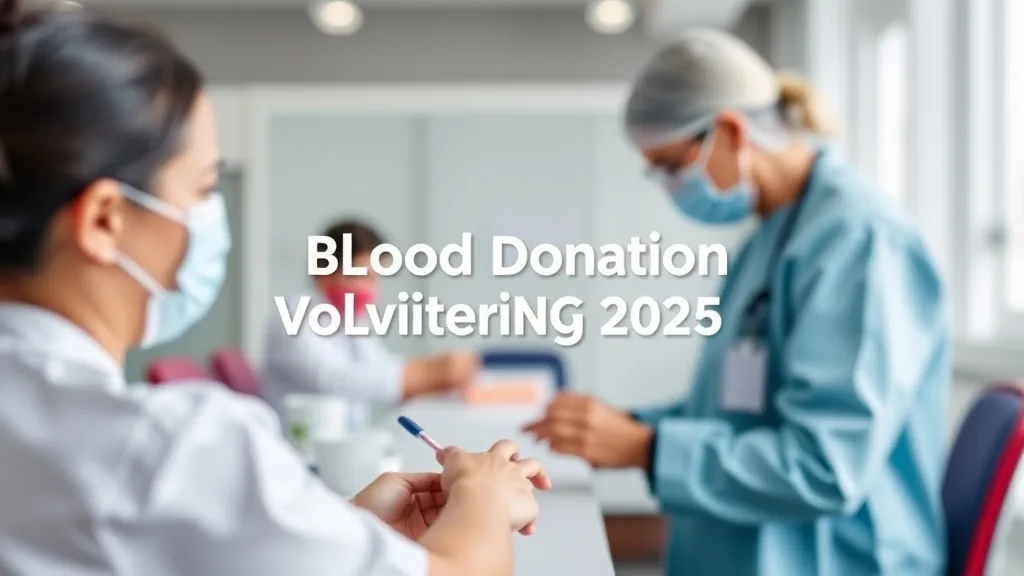
Blood Donation Volunteering 2025: Is Donating Blood Considered Volunteering?
You want to help your community in meaningful ways, right? You might be wondering: is donating blood considered volunteering? Interestingly enough, blood donors supply about 40% of the U.S. national blood supply in early 2025 (American Red Cross), and that fact alone shows how vital each pint is. By reading on, you’ll discover the true definition of volunteering versus donation, learn how your efforts translate into community impact, and find out ways to get recognized for your generosity. You’ll also see real stories, expert insights, and step-by-step guidance. Ready to roll up your sleeve—and perhaps even volunteer behind the scenes? Let’s dive in.
Table of Contents
What Counts as Volunteering?
Ever asked yourself what really qualifies as volunteer work? In other words, does handing over a tube of blood count? Definitions matter here.
Volunteerism is typically defined as unpaid, organized service performed to benefit others. According to Volunteerism, it involves active tasks like tutoring, event planning, or logistical support. Donating blood, on the other hand, is more of a one-time contribution—but it absolutely carries a spirit of service.
Blood donation falls into a hybrid category: it’s voluntary and altruistic—but not “volunteering” in the traditional sense of ongoing duties. Think of it like this: donating is casting a critical vote for life, while volunteering is campaigning, organizing, and getting others involved.
“36 people donated blood for someone they would never meet. And the night my son needed blood, it was on the shelf. It saved his life.”
—Kurt Burton, American Red Cross (2025)
Actionable Takeaway: If you need documented volunteer hours, confirm with your organization whether they count blood donations or require support roles, like registration or donor refreshments.
Read also: Zoo Volunteering Programs
Why Donating Blood Matters as a Service
Picture a car running on empty—without blood reserves, hospitals grind to a halt. That’s why your pint is priceless.
Healthcare systems nationwide rely on voluntary donors to maintain supply. Volunteers often power blood drives by setting up venues, greeting donors, and managing data. Meanwhile, donors save lives with each donation session. It’s teamwork: donors and volunteers together create a lifesaving network.
In early 2025, volunteers made up 90% of the American Red Cross workforce, ensuring events ran smoothly while donors stepped forward. Plus, youth engagement is booming: teens in Singapore and the U.S. lead blood donation dialogues and earn leadership awards (Singapore Red Cross, 2025).
Real Example: At a high school drive in Atlanta, student volunteers handle registration and snacks while peers donate. One student remarked, “Seeing my friend’s relief after donating felt like we were all heroes.”
What to Do Next: Pair your donation with volunteering at a mobile blood drive. Learn setup techniques, chat with donors, and see firsthand how every role matters.
How to Get Involved: Steps to Donate and Volunteer
Ready to take action? Let me explain the step-by-step process—no fuss.
- Find a Drive: Search online for local blood drives or volunteer portals (e.g., VolunteerMatch).
- Register as a Donor: Complete health screening and appointment slots. Be honest about your medical history.
- Volunteer Roles: Sign up for support positions—registration, donor care, or logistics.
- Show Up: Wear comfortable clothing, stay hydrated, and bring ID.
- Follow Up: Receive thank-you emails, track your volunteer hours, and consider repeat donations.
Recognitions and Counting Your Hours
Can you count blood donation toward community service hours? In many cases, yes—but check first.
Some schools and nonprofits accept donation certificates as proof of service. Others require log sheets signed by drive coordinators. Meanwhile, recognition programs celebrate donors and volunteers alike. The Red Cross offers digital badges, leadership awards for youth, and even medals for recurring donors.
“Volunteering with the Red Cross means we can work together to help others. You can make a difference and see the difference.”
—John, Youth Volunteer, American Red Cross (2025)
Actionable Takeaway: After donating, request a service letter outlining your date and hours. Use it for school, work, or civic club requirements.
Future Trends in Blood Donation Volunteering
Where is this all headed? In other words, what’s next for donors and volunteers?
Digital platforms will streamline sign-ups, matching both donors and behind-the-scenes helpers to drives near them. AI chatbots may answer screening questions instantly. Expect more youth leadership councils that blend donation and volunteer tasks—imagine teens organizing peer-to-peer fundraising while donating themselves.
On the recognition front, blockchain-based certificates could securely verify your lifetime contributions. And as community service integrates with corporate social responsibility, employers might offer PTO for blood donation days—sweet, right?
Read also: PWC Volunteering Programs
FAQ
- Q: Does donating blood count as volunteer hours?
A: Sometimes. Always confirm with your organization and obtain official certificates. - Q: How often can I donate?
A: Every 56 days for whole blood. Platelets and plasma have different intervals—ask your center. - Q: Can I volunteer if I’m ineligible to donate?
A: Absolutely! Many roles need no medical prerequisites—registration, event setup, outreach. - Q: Are there age limits?
A: Most places allow donations at 17+ (16 with consent). Volunteer roles often start at 14 or 15.
Conclusion
So, is donating blood considered volunteering? It’s a uniquely powerful act of service—though technically separate from ongoing volunteer roles. By combining donation with behind-the-scenes help, you maximize impact: you save lives with every pint and ensure drives run without a hitch.
Next steps:
- Schedule your first blood donation appointment.
- Sign up for a support role at your local drive.
- Collect and submit your service certificate for recognition.
The bottom line is this: every drop counts, whether in the bag or behind the table. Join the lifesaving community in 2025 and see how your time and compassion ripple out into real change.