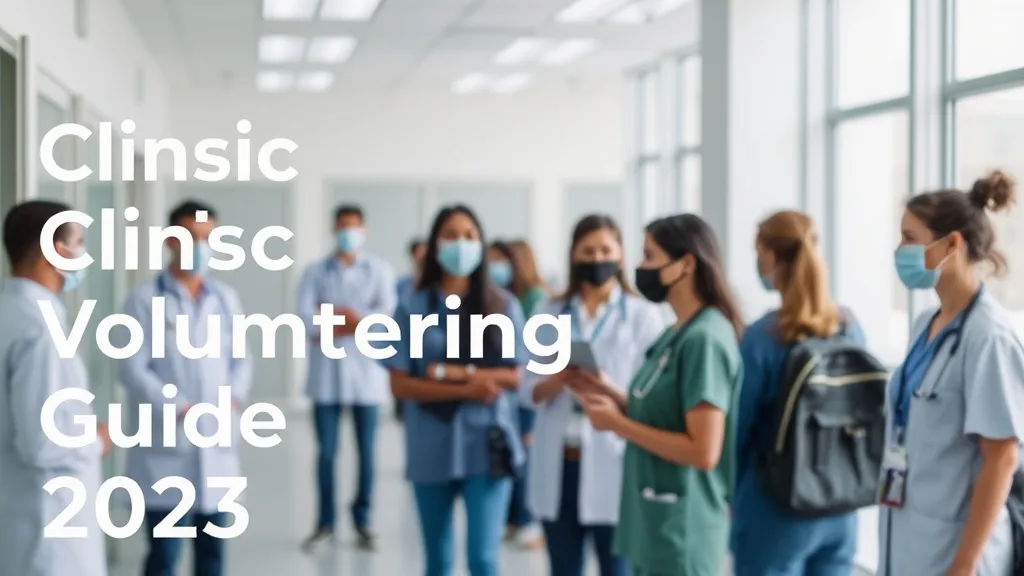
Clinic Volunteering Guide 2025
You want to make a real difference in healthcare, right? You’re in the right place. In 2025, clinic volunteering connects you directly with patients, providers, and communities. It’s more than just lending a hand; it’s transforming lives (including yours). Here’s a surprising fact: healthcare volunteer programs in community clinics surged by 30% in 2024 due to rising needs like housing instability and food insecurity (Groundswell).
In this guide, you’ll learn what clinic volunteering involves, why it’s crucial now, and how to get started without feeling overwhelmed. We’ll unpack the benefits, share expert advice, and point you toward real opportunities.
Ready to dive in? Let’s roll up our sleeves.
Table of Contents
- What is Clinic Volunteering?
- Why Clinic Volunteering Matters in 2025
- How to Get Started with Clinic Volunteering
- Common Mistakes to Avoid
- Advanced Tips and Future Trends
- FAQ
- What qualifications do I need to volunteer at a clinic?
- How many hours per week should I commit?
- Can students get internships through clinic volunteering?
- Conclusion
What is Clinic Volunteering?
Ever wondered how a busy clinic stays functional? Volunteers. In simple terms, clinic volunteering involves offering unpaid support in healthcare settings—from welcoming patients to assisting with health education.
Clinics often face staffing shortages, especially in underserved areas. Volunteers fill gaps by:
- Assisting in patient check-ins
- Guiding visitors through facility navigation
- Supporting administrative tasks like filing
- Participating in community health outreach
- Helping with early-phase clinical trial coordination
At a community clinic in Portland, Oregon, volunteers processed over 2,000 patient visits last year, freeing nurses to focus on critical care and reducing wait times by 15% (CPMI).
“Volunteering keeps people engaged in ways that feel meaningful instead of like exercise.” – Malissa Glass, Director of Volunteer Services
Actionable Takeaway: Start by identifying which clinic roles match your skills—administrative, patient-facing, or research support—and list them out.
Read also: Las Vegas Volunteering
Why Clinic Volunteering Matters in 2025
Here’s the thing: clinics need extra hands now more than ever. Rising healthcare demands and community crises have amplified volunteer importance.
- Transportation support for non-emergency patient travel.
- Language translation, bridging communication gaps.
- Basic screenings during health fairs and outreach events.
Beyond practical support, volunteering offers personal growth. You might be wondering, why is this so powerful?
- Health Benefits: Volunteers experience lower stress and reduced dementia risk PeaceHealth.
- Career Advantage: 81% of HR execs value skilled volunteering when hiring (Infeedo).
- Community Impact: Your time helps tackle food insecurity and housing instability.
Actionable Takeaway: Pinpoint your motivation—health benefits, resume boost, community change—and use it to stay committed. Explore more about the personal and community gains at clinic-volunteering-benefits.
How to Get Started with Clinic Volunteering
You might be wondering, “Where do I apply?” Let me explain: the process is straightforward but requires planning.
First, research local opportunities. Community health centers, free clinics, and hospital outreach programs often list openings online. For instance, HealthFirst Clinic in Chicago updates volunteer spots monthly.
Next, prepare your application. Clinics usually ask for:
- Basic contact info and background check consent
- Volunteer hours availability
- Relevant skills or certifications (CPR, language proficiency)
- References or a personal statement
In most states, background check requirements are outlined on government sites like USA.gov.
Once accepted, attend orientation and training sessions. A volunteer at Mercy Community Clinic recalls: “The training made me feel confident stepping into patient rooms.”
Actionable Takeaway: Reach out to volunteer coordinators and ask for shadow days before committing long-term.
Common Mistakes to Avoid
- Expecting clinical tasks without certification—stick to non-medical duties unless licensed.
- Skipping orientation—it’s there to protect you and patients.
- Neglecting self-care—volunteer burnout is real.
- Failing to communicate schedule changes promptly.
Actionable Takeaway: Set clear boundaries and check in with your coordinator monthly to stay on track.
Advanced Tips and Future Trends
Volunteering is like planting seeds for community health; some roles blossom into leadership opportunities.
- Pursue specialized training in mental health first aid.
- Participate in early-phase clinical trial support—monitor safety and dosage protocols (CPMI).
- Engage in telehealth volunteer programs for flexibility and broader reach.
Looking ahead, virtual clinics and AI-driven patient check-ins are growing. Volunteers who adapt will be in high demand.
Actionable Takeaway: Keep skills current by enrolling in online CME courses or webinars on telehealth best practices.
Read also: Disabled Adults Volunteering
FAQ
What qualifications do I need to volunteer at a clinic?
Most clinics require a background check and basic health screenings. Some roles may ask for certifications like CPR or language proficiency.
How many hours per week should I commit?
A minimum of 4 hours per week is common. Flexibility matters—discuss your schedule openly with coordinators.
Can students get internships through clinic volunteering?
Absolutely. Many clinics offer structured internship tracks that combine volunteering with academic credit.
Conclusion
Clinic volunteering in 2025 offers a meaningful way to support both your community and your personal growth. You’ve seen what it entails, why it’s vital, and how to start smartly. Mistakes happen, but setting clear boundaries and staying informed keeps the experience positive. With a few advanced tips, you’re ready not just to help, but to lead.
Next Steps:
- Identify local clinics clinic-volunteering-opportunities and reach out.
- Gather any required paperwork or certifications.
- Schedule orientation and shadow days.
The bottom line is that your time and skills can transform healthcare delivery. Lace up your volunteer shoes—an unforgettable journey awaits. Clinic volunteering never felt so rewarding.