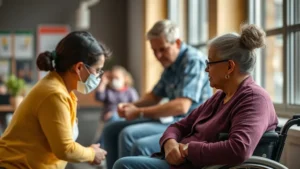
Community Volunteering Benefits 2025
You know how good it feels to lend a hand on a Saturday morning, right? If you’re curious about the benefits of volunteering in community efforts, you’re in the right spot. Believe it or not, 65.9% of community members in a recent China study pitched in during pandemic relief—with a median commitment of 50 hours each (PLOS One). You’ll learn how giving back boosts health, sharpens skills, and knits neighborhoods closer. Ready to see why volunteering may be the best investment you make this year?
Table of Contents
Mental and Physical Health Benefits of Volunteering in Community
Ever wondered why volunteers report brighter moods after a shift? Science has your back. Volunteering can lower stress, improve life satisfaction, and even reduce depression risk by 43% for retirees. The truth is, helping others helps you.
When you lift food sacks at a local pantry or coach kids in sports, your body releases endorphins—nature’s mood lifters. That surge can remain long after you clock out.
“Volunteers often experience a 9-point higher vitality score compared to non-volunteers.” — Groundswell Volunteering Statistics
Getting started is simple:
- Find a cause you care about.
- Commit a small time block—two hours per week works.
- Join a group or sign up online for more structure.
Skills and Career Advantages
What if volunteering was also a career hack? Believe it, it is. Employers value real-world problem solving and leadership—both honed on the volunteer stage.
Think of it as a living résumé builder. Leading a community clean-up or coordinating a fundraiser demonstrates project management and teamwork. You might even unlock a new network.
Statistics show 98% higher loyalty among employees who volunteer and 52% lower turnover rates. Plus, 75% of Gen Z look into a company’s CSR before applying.
- Identify transferable skills (organizing, mentoring, marketing).
- Highlight volunteer roles on LinkedIn or your CV.
- Request a recommendation from your volunteer coordinator.
Strengthening Social Bonds and Community Resilience
Community is more than neighbors waving hello. It’s the backbone of collective action. You might be surprised how volunteering builds trust and social cohesion.
When residents rally around local projects—park restorations or senior check-ins—they create safety nets for everyone. In fact, communities with active volunteers recover faster from crises.
Here’s what happens:
- Shared goals unite diverse groups.
- Repeated interactions boost empathy.
- Knowledge of resources travels faster.
“65.9% community participation helped containment efforts significantly.” — PLOS One
Actionable takeaway: Host or join a neighborhood meet-and-greet to discover local needs and launch a small project.
Corporate Volunteering and CSR Impact
Companies are catching on: offering Volunteer Time Off (VTO) and matching gifts isn’t just window dressing. It’s strategic. Employees who volunteer at work report 93% satisfaction with their employer.
Gen Z workers especially weigh community impact heavily—55% would even take a pay cut for socially responsible employers. That said, 69% say they lack time, so flexible programs are key.
- Implement VTO policies.
- Promote team volunteering days.
- Match employee donations dollar-for-dollar.
Future Trends in Volunteering – What’s Next?
Digital platforms are revolutionizing volunteer recruitment and training. Virtual skill-based volunteering—like remote tutoring—is on the rise. And crisis response roles are increasingly coordinated via apps.
Expect AI-powered matching tools that align personal skills with community needs. Moreover, intergenerational programs will link seniors’ wisdom with youth energy.
How to prepare?
- Stay informed on platform releases (e.g., VolunteerMatch updates).
- Upskill in areas like remote facilitation.
- Advocate for community tech grants to broaden access.
Read also: Clinic Volunteering Guide
FAQ
Q: What counts as community volunteering?
A: Any unpaid effort benefiting local groups—food banks, parks, schools, crisis relief, senior centers, and more (Wikipedia).
Q: How much time should I commit?
A: Start small—2–4 hours per month. Adjust based on your schedule and cause urgency.
Q: Can virtual volunteering offer the same benefits?
A: Absolutely. Remote roles in mentoring, translation, and research still boost skills and well-being.
Q: How do I find reliable organizations?
A: Check ratings on sites like Charity Navigator or local government volunteer portals (USA.gov).
Conclusion
Volunteering delivers a trifecta of gains: personal growth, professional perks, and stronger communities. You’ve seen how improved health, career advantages, and social cohesion all tie together, plus emerging trends to watch.
Next steps:
- Pick a cause and schedule your first shift.
- Log your hours and reflect on skills gained.
- Invite friends or co-workers to join your effort.
Remember, the benefits of volunteering in community aren’t just statistics—they’re life-changing. Ready to make 2025 the year you truly give back? Start now and watch your world transform.