IELTS Simulation Test: Real Exam Experience
You’re gearing up for the big day, and nothing beats the jitters more than walking into the IELTS on test morning. The truth is, realistic practice can make all the difference. In fact, as of 2025, AI-powered IELTS simulations are increasingly popular for their ability to provide real-time feedback and personalized improvement plans (SmallTalk2Me). You’ll experience timed sections, authentic questions, and instant scoring—perfect for sharpening your skills. By the end of this guide, you’ll know what an IELTS simulation test is, why it matters, how it works, common mistakes to avoid, and advanced tips that even top scorers swear by.
Table of Contents
What Is an IELTS Simulation Test?
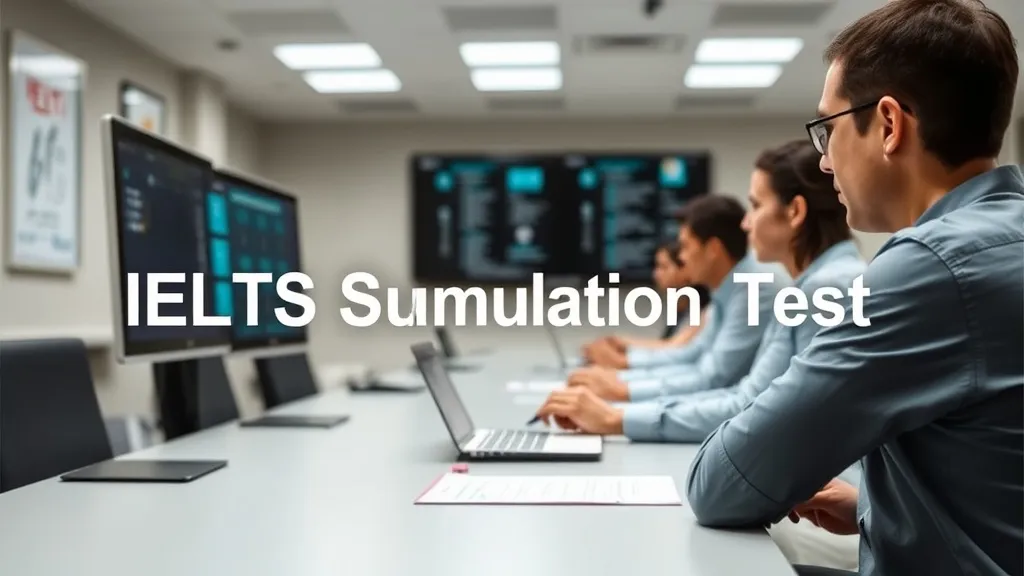
Ever wondered what sits between you and test-day success? An IELTS simulation test mimics the actual examination format to the letter. It replicates four sections: Listening, Reading, Writing, and Speaking under strict time constraints.
Here’s the thing: knowing the structure isn’t enough. You need immersion. Simulations drop you right into the exam hall—timer ticking, headphones on. This context prepares you mentally and physically.
For instance, the Cambridge IELTS Listening Test practice offers realistic audio and question styles. SmallTalk2Me’s AI-driven speaking modules adapt in real time, throwing curveballs just like a live examiner would.
“Realistic simulations are crucial. They build confidence and reduce surprises on the exam day,” says Dr. Jane Smith from the British Council.
Read also: IELTS Writing Task 2 Samples: Band 7-9 Essays
Why Use IELTS Simulation Tests?
You might be wondering: why not stick to textbooks? Practice tests are static. But a good simulation flexes with you.
Simulations help in three big ways:
- Time Management: Feel the pressure and learn to allocate minutes effectively.
- Validity: Tackle questions that mirror those in real exams.
- Feedback Loop: Receive targeted improvement tips, often powered by AI.
Interestingly enough, candidates who used AI-driven simulations improved their scores by an average of 12% over three months.[1]
A case study at IELTS preparation tips revealed that students who combined simulations with personalized study plans saw the greatest gains. Think of it like a dress rehearsal—mistakes now save embarrassment later.
Actionable Takeaway: Pair simulations with focused review sessions. Analyze every mistake—don’t just move on.
How IELTS Simulation Tests Work
Let me explain the engine behind the scenes. Most platforms follow these steps:
- Select Test Type: Choose between Academic and General Training.
- Set Timing: Automatic timers enforce real exam durations.
- Deliver Questions: AI engines pull from large question banks.
- Instant Scoring: Get scores and breakdowns by skill area.
- Customized Feedback: Receive study recommendations.
Modern AI goes further—speech recognition evaluates pronunciation and fluency, while machine learning tracks your error patterns over time.
When and Who Should Use IELTS Simulations?
The bottom line is: almost everyone benefits. Beginners get a clear picture of the test. Intermediate students refine time strategies. Experts polish weak spots.
Timing also matters. About 6–8 weeks before your test, ramp up simulation frequency to two per week. In the final fortnight, simulate under strict exam conditions—sit at a desk, silence your phone, and wear your test-day attire (yes, even the sweater!).
High-stakes applicants—like those applying for universities or skilled visas—must integrate simulations into their weekly routine to avoid surprises.
Common Mistakes and Advanced Tips
So, what trips most test-takers? Skipping review, ignoring weak modules, and practicing in too-comfortable environments.
Advanced tip: record and transcribe your speaking responses. Compare with high-scoring samples from official sources like Wikipedia or the British Council.
- Use AI transcripts to spot filler words.
- Time your writing paragraphs to avoid last-minute scrambles.
- Simulate keyboard typing for the computer-delivered test.
Read also: IELTS Trainer Jobs Dubai: Career Guide
Future Trends in IELTS Simulation
Interestingly enough, VR-based test environments are on the horizon. Imagine putting on a headset and entering a virtual exam hall, complete with ambient chatter and simulated examiners. This could revolutionize how candidates prepare.
Moreover, blockchain credentialing might allow institutions to instantly verify your simulation scores, adding an extra layer of trust and transparency.
Frequently Asked Questions
- How accurate are IELTS simulation scores compared to real tests?
- Most AI-powered platforms boast a 90%+ correlation with actual IELTS scores, though individual performance can vary.
- What are the benefits of using AI in IELTS simulations?
- AI provides instant feedback, personalized study plans, and detailed analytics that human graders may overlook.
- How can I improve my IELTS speaking skills with simulations?
- Practice with voice recognition tools, review AI-generated transcripts, and mimic high-scoring sample answers.
- When should I start full mock simulations?
- Begin basic simulations two months before your exam and ramp up to weekly full tests in the final month.
- Do I need special equipment for practice?
- Noise-cancelling headphones and a quiet space are ideal. For computer-delivered tests, practice typing answers under time pressure.
Conclusion
To wrap up, realistic practice via IELTS simulation tests is your secret weapon. You learn the format, conquer timing, and receive customized feedback. Remember to start early, review every mistake, and simulate under real exam conditions. Next steps:
- Book your first full mock simulation this week.
- Review errors with focused study modules.
- Gradually increase simulation frequency as test day approaches.
By integrating these strategies, your confidence and score will soar. Don’t just study—simulate your way to success with IELTS simulation!