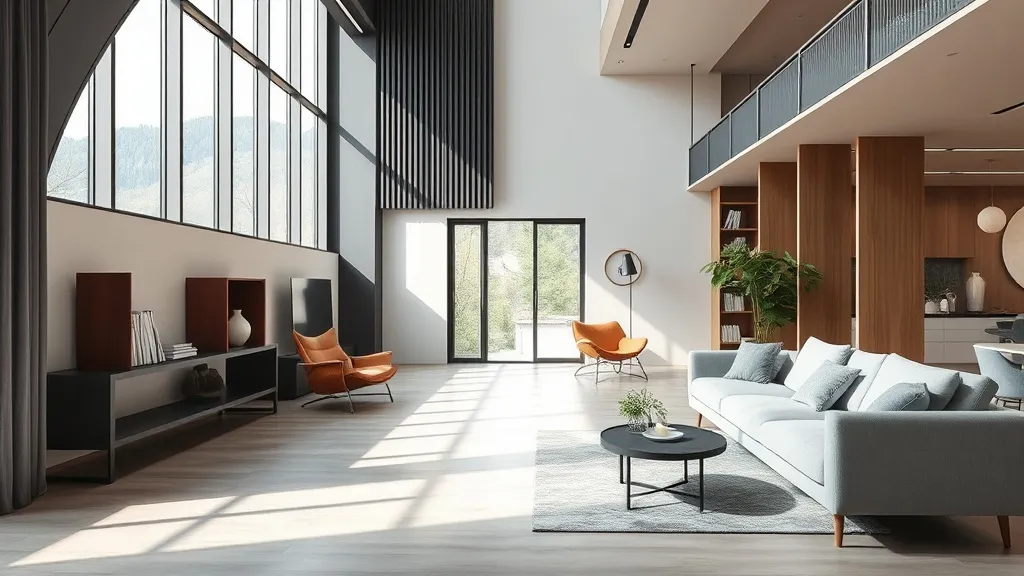
Interior Design Switzerland 2025: Programs
You agree that finding the right design program feels like a puzzle, right? You want to study interior design in Switzerland but wonder where to start. The good news: Switzerland’s creative institutions are gearing up for 2025 with fresh, sustainable, tech-driven courses. Did you know that the Swiss design sector employment grew by 5% between 2022 and 2023? Swiss Federal Statistical Office reports this surge. You’ll learn which schools lead the pack, how to ace your portfolio, and the career perks awaiting graduates. Let’s dive in.
Ready. Set. Design.
Table of Contents
- Why Study Interior Design in Switzerland?
- Top Interior Design Programs for 2025
- Admission Requirements and Portfolio Tips
- Curriculum Highlights and Innovative Trends
- Career Opportunities Post-Graduation
- Common Mistakes to Avoid
- Future Trends in Swiss Interior Design Education
- Frequently Asked Questions
- 1. How much does it cost to study interior design in Switzerland?
- 2. Do I need to speak German or French?
- 3. Are scholarships available?
- 4. Can international students work part-time?
- 5. What software should I master?
- Conclusion
Why Study Interior Design in Switzerland?
Switzerland blends precision, innovation, and heritage. That makes it a top choice if you want to study interior design in Switzerland and gain a global edge. Many programs integrate sustainability, digital tools, and cross-disciplinary projects.
Interestingly enough, campuses like ETH Zurich and Lausanne’s ECAL partner with industry leaders. You’ll work on real-world briefs—from hospitality makeovers to urban redevelopment hubs like VITUS-Areal Winterthur. That’s not just theory; it’s your future portfolio in action.
“Rethinking how we conceive spaces today and in the future is crucial for interior design education to remain relevant and impactful.” – Markus Schaefer, Hosoya Schaefer Architects
Your next move: research institutes that champion eco-friendly materials and VR-driven design. Check accreditation and international rankings.
Top Interior Design Programs for 2025
Which schools should you consider? Here’s a snapshot:
- ETH Zurich – Master in Architecture, Specialization in Interiors
Renowned for tech experimentation. Courses include BIM, VR labs, and social-impact studios. - Geneva University of Art and Design (HEAD)
Offers a Bachelor in Interior Architecture focusing on adaptive reuse and community spaces. - Zurich University of Applied Sciences (ZHAW)
Provides a Bachelor in Interior Design with strong industry links for internships. - ECAL/University of Art and Design Lausanne
Masters program merging art, design, and digital fabrication.
Each program has a unique flavor. And another thing: class sizes are small—expect close mentoring from faculty.
For deeper insights, visit ETH Zurich or browse the latest projects on Dezeen.
Admission Requirements and Portfolio Tips
Nailing your application hinges on a strong portfolio. You might be wondering, what do they look for? Creativity, precision, and a clear design narrative.
Here’s the breakdown:
- Academic transcripts (high school or bachelor’s degree)
- Language proficiency (English, German, French, or Italian depending on campus)
- Portfolio (8–15 projects showcasing sketches, technical drawings, and 3D models)
- Motivation letter (highlight your passion, influences, and career goals)
- Letters of recommendation (preferably from design professionals or professors)
Let me explain: quality trumps quantity. Include a case study—show how you tackled spatial constraints or sustainable solutions. That one standout project can make all the difference.
Curriculum Highlights and Innovative Trends
Swiss schools push boundaries. They integrate VR, AR, and digital modeling—plus a strong sustainability ethos. You’ll collaborate across architecture, urban planning, and product design streams.
Project-based modules often partner with Swiss design firms. For example, Atelier Global’s community-driven renewal of alpine lodges provided students hands-on research and implementation. “Interior design can revitalize communities and honor traditions,” says Frankie Lui of Atelier Global.
Moreover, expect seminars on eco-materials, daylight simulation, and post-pandemic wellness design. In other words, you’ll be equipped for tomorrow’s demands—think energy-efficient lighting and smart furnishings.
Career Opportunities Post-Graduation
Graduates enter a growing sector. Swiss firms seek designers fluent in sustainable solutions and digital workflows. Roles include:
- Interior Designer at global consultancies
- Project Manager for boutique studios
- Design Researcher in academic or corporate R&D labs
- Freelance specialist in hospitality or retail design
The bottom line is clear: your Swiss credential opens doors internationally. Many alumni have landed positions in London, New York, or Tokyo.
Common Mistakes to Avoid
Don’t wait until the last minute. Deadlines come early in Switzerland. Plus, skipping language prep can cost you an offer. And piling your portfolio with irrelevant work? Big no-no.
Future Trends in Swiss Interior Design Education
What’s next? Expect more AI-driven design tools, biophilic interiors, and circular economy modules. Programs will deepen partnerships with tech startups and policymakers to shape smarter cities.
In short, Switzerland will remain at the forefront—mixing craft traditions with digital innovation. Stay curious and keep refining your skills.
Frequently Asked Questions
1. How much does it cost to study interior design in Switzerland?
Tuition varies: public universities range from CHF 500–1,000 per semester, while private schools charge CHF 10,000–20,000 annually. Factor in living costs (~CHF 1,500/month).
2. Do I need to speak German or French?
Programs in Zurich and Basel often require English proficiency. Geneva and Lausanne may ask for French. Check specific language requirements per school.
3. Are scholarships available?
Yes. Look for Swiss Government Excellence Scholarships or institution-specific grants. Submit applications early—deadlines can be nine months before start.
4. Can international students work part-time?
Non-EU/EFTA students may work up to 15 hours weekly. That helps offset living expenses while gaining Swiss work experience.
5. What software should I master?
Proficiency in AutoCAD, Revit, SketchUp, and Adobe Creative Suite is expected. VR/AR tools like Unity or Unreal Engine are a plus.
Conclusion
Studying interior design in Switzerland means learning at the intersection of sustainability, technology, and cultural heritage. You’ve explored top programs, admission tips, curriculum highlights, and career pathways. Now it’s time to act:
- Research and shortlist 3–4 accredited programs.
- Prepare a focused portfolio with at least one sustainability case study.
- Apply for language tests and scholarships well ahead of deadlines.
With the right strategy, you’ll transform from a curious applicant into a sought-after design professional. Go ahead—your Swiss interior design journey starts now.