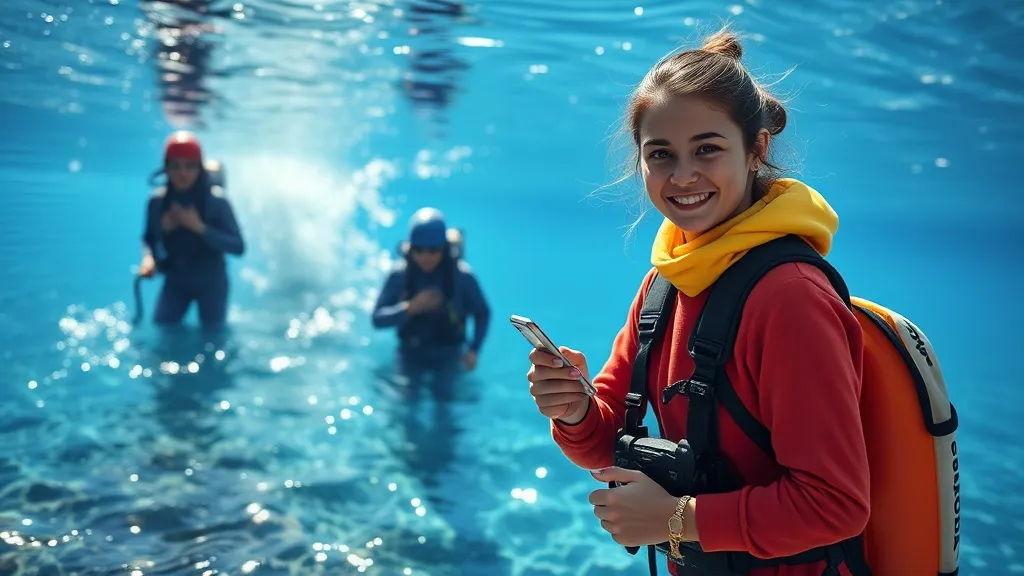
Marine Volunteering Abroad 2025
You’ve likely wondered how you can make a real difference in ocean protection. marine volunteering abroad is your ticket to hands-on conservation and a transformative adventure. Since 2023, global marine heatwaves have caused bleaching of 84% of coral reefs across 82 countries (NOAA). You’ll learn what marine volunteering involves, why it matters now, and how to pick—and prepare for—the perfect program. Ready for the dive? It’s time.
Table of Contents
What Is Marine Volunteering Abroad?
Curious about the basics? You’re in the right place.
At its core, marine volunteering abroad connects passionate individuals with conservation projects overseas. You might sort coral fragments on a reef in Fiji. You could track nesting sea turtles on the Costa Rican coast. Projects range from habitat restoration to wildlife monitoring, but all share one goal: healthier oceans.
Programs often partner with NGOs, research institutes and local communities. In fact, over 290 marine conservation volunteer programs are available worldwide as of mid-2025 ( GoAbroad). Logistics, duration and costs vary—so digging into details pays off.
“Since 2023, ongoing global marine heatwaves have caused bleaching of 84% of coral reefs across 82 countries. Delta is committed to coral restoration through volunteers and its own technology, and has restored 10,000 corals to date. Over the next five years, we plan to conserve around 300 coral species, over half of those found in the Pacific Ocean, to help tackle severe marine ecological challenges.” – Shan-Shan Guo, Delta Electronics Foundation
Actionable takeaway: Research projects by specialization—e.g., marine conservation volunteering abroad for coral work or sea turtle protection—and list your top three based on location, cost and impact.
Read also: In-Person Volunteering: Face-to-Face Programs
Why Marine Conservation Matters in 2025
Here’s the thing: our oceans are in crisis. Bleached reefs, declining fish stocks and endangered wildlife signal an urgent call to action.
Restoration and monitoring efforts help reverse damage but need manpower. Volunteers offer both boots on the ground and extra sets of eyes for data collection. Each snorkel session or beach patrol yields valuable data for scientists and policymakers.
- Rebuild coral habitats
- Protect sea turtles during nesting season
- Monitor marine biodiversity
- Educate local communities on sustainable practices
Interestingly enough, 58% of travelers plan to spend as much on travel in 2025 as in 2024, with 29% planning to spend more—hinting that volunteer-driven trips are on the rise (source: IMG Travel Outlook Survey 2025).
Actionable takeaway: List five causes you care about most (e.g., coral bleaching, sea turtles, mangrove protection) and match them to programs focused on those areas.
How to Choose the Right Program
You might be wondering: which project fits my budget and skill set?
First, decide on duration—weeks or months? Next, check whether accommodations and meals are included. Finally, verify credentials: is the organization registered locally? Do they publish results?
- Set your budget range (consider flight, visa, insurance).
- Check program reviews and alumni testimonials.
- Confirm safety standards and local partnerships.
- Ask about daily schedules—are tasks varied?
Actionable takeaway: Create a comparison chart with at least three programs based on cost, dates and tasks. Then book a short call to clarify any questions.
Preparing for Your Trip
Let’s get you packed and ready.
Health and safety top the list. Over half of volunteers worry about falling sick abroad; 95% purchase comprehensive travel insurance for peace of mind (source: International Insurance).
- Doctor’s visit and vaccinations
- Waterproof boots and UV-resistant gear
- Reusable water bottle and reef-safe sunscreen
- Local currency and emergency contacts
And another thing: brush up on basic phrases if a non-English language is spoken. It goes a long way with host communities (and you’ll sound like a local in no time).
Packing Checklist:
- Passport, visa copies and travel insurance docs
- Medical kit (prescriptions, first aid essentials)
- Eco-friendly toiletries
- Underwater camera or GoPro
Actionable takeaway: Book travel insurance at least two weeks before departure and store digital copies accessible offline.
Future Trends in Marine Volunteering
In other words, volunteering is evolving quickly.
Technology plays a growing role: AI coral survey tools, large-area imaging drones and robotic nurseries for heat-resistant corals are on the rise. Volunteers now assist with data analysis and tech deployment, not just manual labor.
Eco-conscious travel also means programs are adopting carbon-offset initiatives and plastic-free policies. Soon, we’ll see VR training modules to prep volunteers before they ever set foot on a boat.
Actionable takeaway: Ask programs about their tech integration and sustainability metrics. Choose ones with clear goals for reducing carbon footprint and leveraging innovation.
Read also: Marine Volunteering Abroad
Frequently Asked Questions
Q1: How much does marine volunteering abroad cost?
A1: Costs vary from $500 to $3,500 per week, including accommodation and meals. Always request an itemized breakdown.
Q2: Do I need prior diving experience?
A2: Not always. Many programs offer basic dive training, but advanced surveys may require certification.
Q3: Can I get academic credit for volunteering?
A3: Some organizations partner with universities. Confirm credit availability before booking.
Q4: Are there short-term options under two weeks?
A4: Yes, several projects offer weekend or week-long stints, especially for beach clean-ups and citizen science.
Conclusion
Marine volunteering abroad offers you the chance to protect ocean ecosystems, gain field skills and immerse in new cultures. You’ve seen how to define projects, weigh pros and cons, and prepare thoroughly. Now you can shortlist programs, pack smartly and make a real impact.
Next steps:
- Choose three programs that align with your passions and budget.
- Verify safety protocols and cost inclusions by reaching out directly.
- Secure travel insurance and start gear checks two weeks before departure.
The ocean’s health depends on people like you. Dive in, volunteer globally, and be the change our planet needs—marine volunteering abroad awaits.