Music Switzerland 2025: Conservatory Programs
You’re not alone if the idea to study music in Switzerland has crossed your mind. Interestingly enough, the “Tune Barometer 2025” survey of 400 music teachers found that over 60% are investing heavily in digital teaching tools to reach learners worldwide (source). You’ll discover which conservatories top global rankings, how to audition effectively, and where to secure scholarships for the 2025 intake. Ready? Let’s dive in.
Table of Contents
Why Switzerland Leads in Music Education
Imagine rehearsing Mozart in a centuries-old hall, then recording an electroacoustic piece in a cutting-edge studio. That blend of tradition and innovation defines Swiss music training.
Here’s the thing: Switzerland’s multilingual culture (German, French, Italian, Romansh) offers a unique environment where you can learn repertoire in its original language. And another bonus? You’ll connect with top faculty who are both seasoned performers and dedicated educators.
Several factors matter:
- World-class facilities and historic concert halls
- Strong emphasis on performance and pedagogy
- Access to international festivals and ensembles
- Low student-to-faculty ratios
“Switzerland offers an unparalleled fusion of cultural heritage and modern artistry,” says Prof. Leonid Surkov of Musik-Akademie Basel.
Actionable takeaway: When researching programs, compare faculty profiles and available facilities. That clarity makes choosing a conservatory easier.
Top Conservatories and Their Signature Programs
Which schools should you consider? Let me explain…
Simply put, four institutions consistently rank as the best hubs for music study in Switzerland:
-
Zurich University of the Arts (ZHdK)
Home to 2,500 music students, ZHdK combines classical, jazz, and contemporary studies with performing arts collaborations. Performances happen weekly in its 200-seat hall. Learn more. -
Musik-Akademie Basel
Known for deep theoretical training and a vibrant concert calendar. In 2025, they appointed Leonid Surkov as Professor of Oboe, underscoring ongoing faculty development. -
Conservatory of Italian Switzerland (Ticino)
With over 1,000 students, this conservatory hosts the Electro Acoustic Room’s 10th anniversary festival—perfect for those seeking digital music production skills. Event details. -
FHNW Basel Academy of Music
Offers a broad range of BA and MA programs, from music pedagogy to performance practice. Their emphasis on reflective skills prepares graduates for diverse careers.
Admission Process for 2025 Intake
You might be wondering: How tough is the audition? The truth is, preparation beats nerves every time.
Here’s a step-by-step guide:
- Research deadlines (Feb–Apr 2025 for most programs).
- Prepare a repertoire list: 15–20 minutes of contrasting pieces.
- Submit application forms, transcripts, language certificates.
- Record video audition or schedule an in-person audition.
- Attend interviews or theory exams if required.
- Await acceptance; responses typically arrive by June 2025.
Actionable takeaway: Start preparing nine months in advance. That gives you time to refine technique and language skills.
Scholarships and Funding Opportunities
Money worries? There are multiple routes to fund your studies:
- Swiss Government Excellence Scholarships – For foreign postgraduate students; covers tuition and living costs.
- Institutional Grants – Many conservatories offer merit-based awards to top performers.
- Private Foundations – Organizations like the Rotary Club and local cultural endowments.
- Performance Assistantships – Earn a stipend by teaching or playing in ensembles.
Interestingly enough, about 30% of students at ZHdK receive some form of financial aid each year (FHNW data).
Actionable takeaway: Apply for at least three funding sources. Tailoring each application—mentioning specific faculty or projects—boosts your chance.
Trends Shaping Music Studies in 2025
The bottom line is that music education is evolving fast. In other words, you need to stay ahead of trends.
Key developments:
- Digitization: Virtual masterclasses, digital score libraries, and hybrid lessons.
- Electroacoustic Focus: Programs like the Electro Acoustic Room festival foster avant-garde composition.
- Interdisciplinary Projects: Collaborations with dance, theater, and media arts.
- Global Networks: Exchange programs with conservatories in Berlin, New York, and Shanghai.
Real-world example: At the Conservatory of Italian Switzerland, students co-produce multimedia concerts with local art institutes—an initiative launching its Bellinzona office in 2026.
Actionable takeaway: Look for programs offering workshops in music technology and cross-arts collaboration. That skill set is in high demand.
Student Life and Performance Opportunities
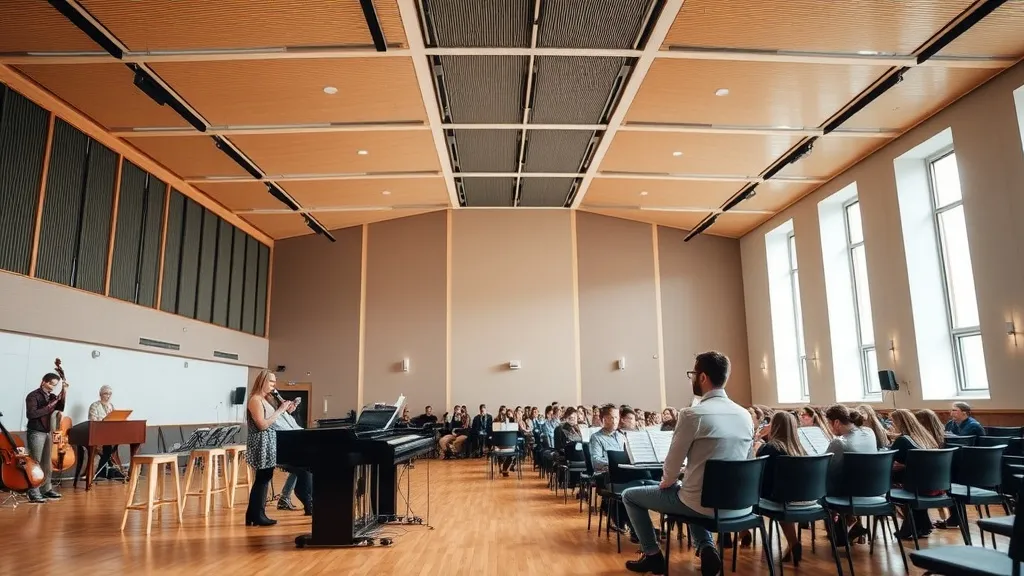
What’s campus life like? Picture weekend performances in a lakeside auditorium, jam sessions at student-run cafés, and studio time in professional-grade labs.
Community engagement plays a big role. You’ll:
- Join chamber ensembles or orchestras
- Attend industry panels with guest artists
- Participate in outreach concerts at schools and care homes
- Record in digital production studios
Case study: A composition student at Musik-Akademie Basel premiered a multimedia score in partnership with the Basel Dance Festival—talk about exposure!
Actionable takeaway: Balance coursework with ensemble involvement. The connections you make through performance are invaluable.
Frequently Asked Questions
- What language proficiency is required?
- Most programs require proficiency in the local language (German, French, or Italian) or English. Language exams like TOEFL or Goethe-Zertifikat are standard.
- Can I study both classical and jazz?
- Yes, schools like ZHdK and FHNW allow double majors or electives across styles.
- Is prior conservatory training mandatory?
- Not always. Strong audition skills and academic records can compensate for non-traditional backgrounds.
- How long are the programs?
- BA degrees typically take three years; MA degrees take two. Pre-college or preparatory courses vary from one to two years.
- Are online lessons an option?
- Hybrid formats are growing. Many schools now offer remote theory classes and digital composition workshops.
Conclusion
Switzerland’s conservatories offer a rare chance to study music where centuries of tradition meet modern innovation. You’ve seen why the country leads in cultural diversity and digital integration, explored top schools, learned about auditions, and discovered funding routes. Now it’s time to take action:
- Finalize your list of target conservatories.
- Begin repertoire preparation and video recordings.
- Apply for scholarships and submit applications before deadlines.
The 2025 intake awaits—embrace the challenge, refine your artistry, and transform your passion. Study music in Switzerland and let your next musical chapter begin!