Physiotherapy Switzerland 2025: English Programs
Most aspiring therapists agree that studying abroad can transform your career—especially when you want to study physiotherapy in Switzerland in English. You’ll gain world-class clinical skills and leadership know-how, all while enjoying Swiss landscapes. Interestingly enough, less than 15% of Swiss physiotherapy degrees were fully taught in English as of mid-2025 (Bern University of Applied Sciences). So, how do you join that elite cohort? You’re in the right place.
In this guide, you’ll discover:
- Top English-medium physiotherapy programs
- Admission requirements and application tips
- Costs, scholarships, and funding strategies
- Practical training, career outlook, and emerging trends
Ready to dive in? Let’s get started.
Table of Contents
How to Study Physiotherapy in Switzerland in English: Program Overview
You might be wondering: which Swiss schools actually teach physiotherapy in English? Not many—but quality matters more than quantity.
Switzerland hosts several universities of applied sciences (UAS) that offer healthcare degrees with English modules or support. Fully English-taught physiotherapy bachelor’s degrees remain scarce, but master’s programs in related fields are on the rise.
For instance, Bern University of Applied Sciences launched an MSc in Healthcare Leadership with physiotherapy tracks and lectures delivered in English. Moreover, modules on research methods and management prepare you for advanced clinical roles.
[Program Director, Bern University of Applied Sciences] “Our physiotherapy-related programs equip students with both clinical expertise and leadership skills, preparing them for evolving demands in healthcare.”
Actionable takeaway: Visit university websites in both German and French regions—some programs offer dual-language tracks with English support.
Admission Requirements to Study Physiotherapy in Switzerland in English
Getting in can feel like climbing a mountain, but it’s totally doable with the right prep. What do Swiss schools look for?
Typically, you’ll need:
- Relevant secondary education diploma (e.g., International Baccalaureate or equivalent)
- Proof of English proficiency (IELTS 6.5+ or TOEFL iBT 80+)
- Motivation letter outlining your goals and experience
- Letters of recommendation (academic or clinical)
Some programs also require an interview or entrance exam focusing on basic human anatomy and physiology. Deadlines usually fall between October 2025 and March 2026 for the 2026/27 academic year (Application Guidance).
Actionable takeaway: Gather documents early, and schedule your language test by April 2025. For detailed steps, check Study English Switzerland 2025: Degree Programs.
Tuition Fees, Scholarships, and Financial Aid
Budget considerations often make or break your study abroad dreams. So, let me break it down.
Annual tuition at UAS institutions ranges from CHF 1,000 to CHF 4,000 for EU/EFTA students and CHF 4,000–CHF 10,000 for non-EU applicants. Living costs in cities like Bern or Zurich average CHF 1,500–CHF 2,200 per month.
- Bern University of Applied Sciences scholarships available for healthcare fields
- Canton-specific grants (e.g., Canton of Bern International Fund)
- Swiss Government Excellence Scholarships for postgraduate study
Actionable takeaway: Create a spreadsheet to track deadlines and requirements for each funding source.
Curriculum and Practical Training
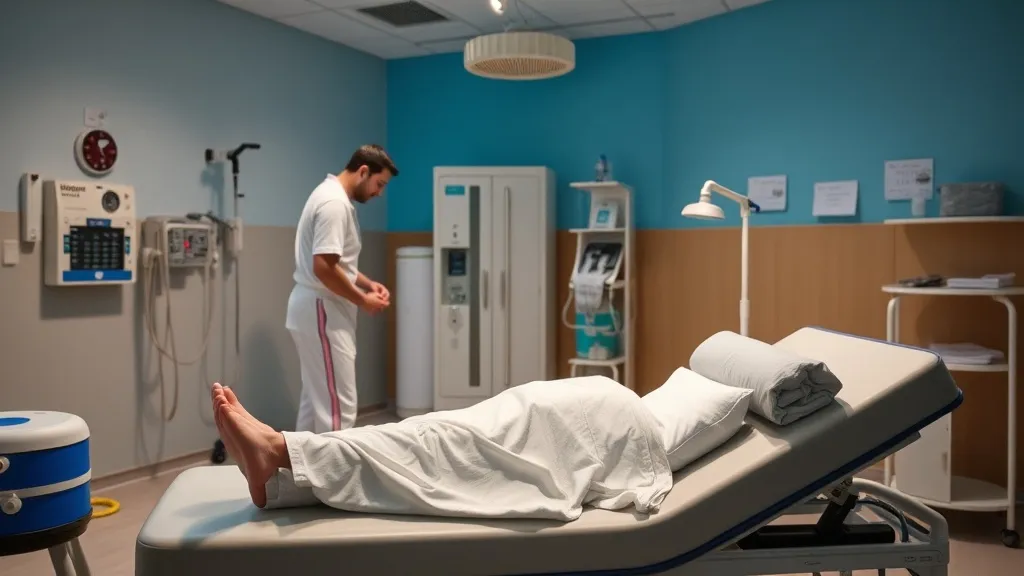
Picture this: you’re at a state-of-the-art rehab clinic in Zurich, practicing mobilization techniques under expert supervision. That’s the practical side Swiss programs pride themselves on.
Core modules often include:
- Musculoskeletal Assessment and Intervention
- Neurological Rehabilitation Techniques
- Research Methods and Evidence-Based Practice
- Leadership and Healthcare Management
Students complete 1,000+ hours of clinical internships at university hospitals, private clinics, and community centers. For example, an exchange student rotated through the Cantonal Hospital in Bern, then presented a case study on post-stroke mobility improvements.
[International Education Consultant, Yocket] “Switzerland’s blend of rigorous academics and hands-on practice makes it a top choice for physiotherapy students.”
Actionable takeaway: Connect with current students on LinkedIn. Ask about specific clinical placements and language support.
Career Prospects and Future Trends
What’s the job outlook after you finish? Spoiler: It’s strong. Demand for physiotherapists in Switzerland is projected to grow 12% by 2030 (Physiotherapy – Wikipedia).
Graduates find roles in:
- Hospital and outpatient clinics
- Sports and wellness centers
- Research institutions and academia
- Healthcare management and policy
Emerging trends include digital health, tele-rehabilitation, and interdisciplinary leadership. Programs that offer training in tech-enabled therapy (e.g., motion-capture analysis) give you a competitive edge.
Actionable takeaway: Draft your LinkedIn profile now, highlighting clinical skills and any tech-savvy projects.
Frequently Asked Questions
- 1. Can I work part-time while studying?
- Yes. International students may work up to 15 hours per week with a permit. Balance is key.
- 2. Are there English-only bachelor’s degrees available?
- As of 2025, fully English bachelor’s in physiotherapy are rare. Consider bilingual programs with English support.
- 3. What English tests are accepted?
- IELTS, TOEFL iBT, and Cambridge English Advanced (CAE) are commonly accepted.
- 4. How competitive is the admission?
- With moderate global search interest (500–1,000 monthly), competition is medium to high. Strong applications stand out.
- 5. When should I apply for scholarships?
- Most deadlines close by late 2025. Start applications by August 2025.
Conclusion
Studying physiotherapy in Switzerland in English opens doors to cutting-edge clinical practice, leadership roles, and unmatched quality of life. You’ve learned about program options, admission steps, funding sources, curriculum highlights, and career paths.
Next steps:
- Finalize your university shortlist and gather documents.
- Book your IELTS or TOEFL by April 2025.
- Apply for scholarships and submit your application early.
The bottom line is that with careful planning and passion, you can secure your spot in 2025. Dream big—and get ready to heal through movement.
Keywords: study physiotherapy in Switzerland in English