Police Volunteering Programs 2025
You know how much community spirit matters these days. And when it comes to volunteering for the police, that spirit can cut crime—in Tokyo, nearly 5,000 volunteers helped drive a 63% reduction in local crime in 2025[1]. You’re about to learn how these programs work, why they matter, and exactly how you can join. Plus, tips and real-world examples straight from San Francisco’s Reserve Officer Program and Colorado’s Co-Responder teams. Ready? Let’s dive in.
Table of Contents
Why Volunteering for the Police Matters
Here’s the thing: public safety isn’t just a job for sworn officers. Community members bring unique strengths.
In other words, volunteers fill gaps when departments are stretched thin. They build trust on the beat, and—interesting enough—boost social cohesion (and that’s huge for neighborhoods).
Case in point: Saudi Arabia’s Vision 2030 aims for one million volunteers annually to support public safety and social unity[2]. That strategic push shows how formal integration of volunteers can reshape policing.
“By leveraging the REAP framework, police services can unlock the full potential of volunteer initiatives, strengthen public safety and support broader transformation.”
—PwC Middle East[2]
Actionable takeaway: Reach out to your local department’s volunteer coordinator. Ask about ongoing needs—administrative, community liaison, or specialist skills.
Types of Police Volunteering Programs in 2025
You might be wondering: what roles are out there? Let me explain. Here’s a quick list:
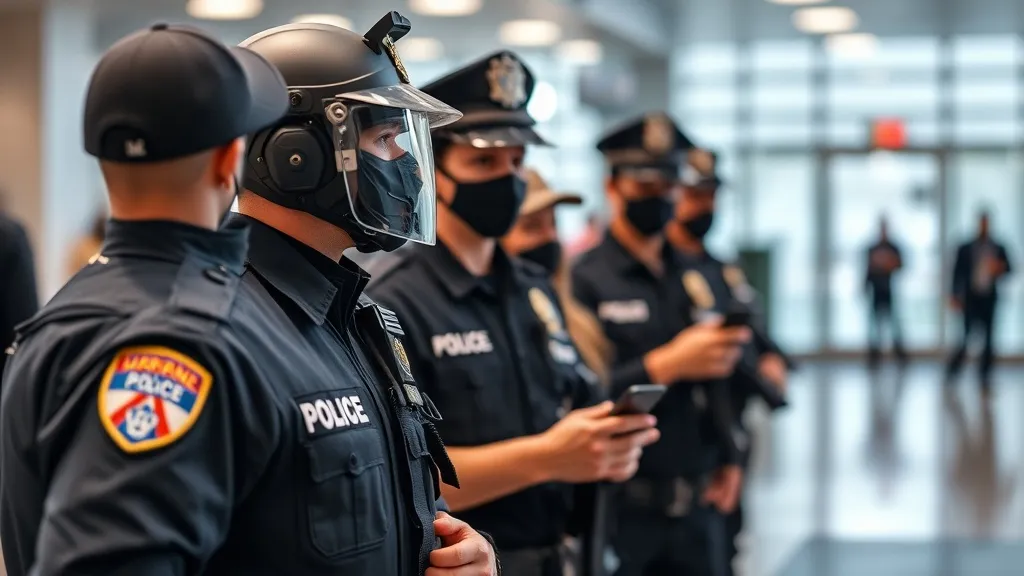
- Reserve Officer Volunteer Program: Uniformed duties alongside officers.
- Specialist Skills Schemes: IT, translation, data analysis support.
- Behavioral Health Co-Responder Teams: Pairing mental health pros with patrol officers.
- Community Liaison Volunteers: Outreach, educational workshops, event safety.
Plus, many departments offer remote administrative roles—perfect if you’ve got a busy schedule.
How to Volunteer for the Police Department
The truth is, the process is straightforward. Follow these steps to get started:
- Check Eligibility: Usually 18+, background check needed.
- Complete Application: Online or paper, depends on the agency.
- Attend Orientation: Overview of department policies and role expectations.
- Undergo Training: Range from a few hours to several weeks.
- Start Volunteering: Begin your shifts and track your hours.
In San Francisco, reserve officers enjoy flexible schedules and hands-on patrol experience—while keeping their day jobs[3]. Sounds like the best of both worlds, right?
“Reserve Officers can enjoy the best of both worlds, maintain their chosen career while helping to police an internationally known city.”
—San Francisco Police Reserve Program[3]
Actionable takeaway: Prepare early by gathering references and completing any pre-orientation paperwork online.
Benefits of Volunteering for Police Departments and Communities
Why should you sign up? Here’s why it pays off:
- Skill Development: Leadership, communication, crisis management.
- Networking: Connect with officers, community leaders, public agencies.
- Community Impact: Directly reduce crime and improve neighborhood safety.
- Personal Fulfillment: Knowing you’re serving your community.
Colorado’s Co-Responder Program shows dramatic results: 98% of calls avoided arrest and 86% received behavioral health support between July 2020-June 2021[4].
Common Mistakes to Avoid When Volunteering for the Police
You’re excited. That’s great. But watch out for these pitfalls:
- Skipping Background Checks: Don’t wait—start the clearance early.
- Underestimating Time Commitment: Be realistic about availability.
- Neglecting Ongoing Training: Stay current with department updates.
- Poor Communication: Keep supervisors informed of schedule changes.
Actionable takeaway: Set calendar reminders for trainings, orientation updates, and volunteer shift sign-ups.
FAQs About Volunteering for the Police
- What is the minimum age to volunteer?
- Usually 18, though some youth cadet programs accept 16-year-olds with parental consent.
- Do volunteers get paid?
- No. Most roles are unpaid, but some offer stipends or expense reimbursements.
- How long is the training?
- Ranges from one day to 12 weeks, depending on role and department size.
- Can I volunteer if I have a criminal record?
- Minor infractions might be waived, but serious felonies typically disqualify candidates.
- Where do I apply?
- Visit your local police department’s website or stop by the community affairs office.
Conclusion
Simply put, volunteering for the police in 2025 offers a powerful way to build skills, strengthen neighborhoods, and support public safety. To recap:
- Understand why community volunteers are vital today.
- Explore program types—from reserve officers to co-responder teams.
- Follow the step-by-step application and training process.
Next steps: 1) Contact your local department’s volunteer unit, 2) prepare references and clearances, 3) mark your calendar for orientation. Go ahead—make a tangible difference. Your community is counting on you.
Interested in more details on police volunteering programs 2025 or community policing volunteer opportunities? Check those pages next and get started!
References: