Reasons to Study in Switzerland in 2025: Unlock Unmatched Benefits
We all know that choosing where to study abroad can feel overwhelming. If you’re exploring reasons to study in Switzerland, you’ve landed in the right place. Imagine earning a world-class degree for just CHF 500–5,000 per year (USD 560–5,600) in 2025 (OECD 2025) while living in one of the safest countries on earth. You’ll learn about top universities, financial aid, career prospects, and quality of life. Let’s explore how Switzerland can transform your academic journey. Ready? Let’s dive in.
Table of Contents
World-Class Education and Research Opportunities
Switzerland consistently ranks among global leaders in higher education and research. This isn’t just bragging rights—it means you benefit from cutting-edge facilities, renowned faculty, and pioneering projects. Universities like ETH Zurich and EPFL invest over 3% of GDP in R&D, fostering breakthroughs in quantum computing, biotechnology, and sustainable engineering.
Why does this matter? Imagine contributing to real-world solutions—whether it’s designing climate-friendly materials or developing AI-driven diagnostics. In other words, your classroom transforms into an innovation hub. You might be wondering: how accessible are these labs for international students? Very. English-taught master’s programs open doors for non-German speakers, and the hands-on approach accelerates your learning curve.
“Switzerland’s investment in R&D and its global university rankings make it a prime destination for international students seeking quality education and career opportunities.” — Edvoy 2025
For example, students at ETH Zurich collaborate with CERN on particle physics experiments, while EPFL partners with global tech firms on robotics. These experiences build your network and resume—an invaluable edge in today’s job market.
Actionable Takeaway: Start by listing three Swiss universities that lead research in your field. Review their labs and faculty profiles. Then tailor your statement of purpose to highlight how you’ll contribute to ongoing projects.
- 10 Traditional Universities
- 2 Federal Institutes of Technology
- 9 Universities of Applied Sciences
- 14 Universities of Teacher Education
Multilingual Environment and Cultural Immersion
Learning a new language can be thrilling—but why stop at one? Switzerland’s four official languages (German, French, Italian, Romansh) create a uniquely multicultural campus. This variety enriches your academic and social life.
Ever wanted to chat in French over coffee, tackle technical papers in German, or explore Italian literature? You’ll get plenty of chances. Plus, English-taught programs mean you won’t feel lost if you’re not fluent in the local tongue. It’s worth noting that mastering another language boosts employability by up to 30% in Swiss job markets.
One student arranged weekend language swaps in Zurich, gaining confidence and making lifelong friends (and a few embarrassingly funny mispronunciations).
Actionable Takeaway: Enroll in a free or low-cost language course offered by your university. Aim to learn 5 new words each day—small steps add up.
Affordable Tuition and Financial Aid Options
Who says top education has to drain your savings? Swiss public universities charge just CHF 500–5,000 per year, far lower than UK or US counterparts. Scholarships and grants further reduce costs, making Switzerland one of the most affordable study-abroad destinations.
Among the notable financial aid options is the Swiss Government Excellence Scholarships, which cover tuition and living expenses for international doctoral and postdoctoral researchers (Global Citizen Solutions). Universities also offer merit-based awards—especially for in-demand fields like pharmaceutical sciences and engineering.
Compared to annual fees of over USD 20,000 in the US, Switzerland feels like a steal. And the low cost doesn’t mean lower quality—it’s simply a commitment by cantons to subsidize education.
Actionable Takeaway: Research at least three scholarship programs at your chosen institution. Prepare required documents—recommendation letters, transcripts, and a clear research proposal—well in advance.
Strong Career Prospects and Post-Study Work Policies
Switzerland isn’t just about stunning landscapes; it boasts a dynamic economy with low unemployment (4.7% in 2025) and high demand for skilled graduates. Plus, international students can stay up to six months after graduation to seek field-related employment.
Imagine starting your job hunt in a country known for pharmaceuticals, finance, hospitality, and technology. Over 50% of Swiss postgraduates secure employment within six months (OECD 2025). Employers often fund continuous training—78% of which comes straight from company budgets—boosting earnings and career growth.
In-demand sectors include:
- Pharmaceuticals and biotechnology
- Information technology and AI
- Hospitality and tourism management
- Financial services and fintech
“Tertiary-educated adults in Switzerland score on average 35 points higher in literacy proficiency than those with only upper secondary education.” — OECD Education at a Glance 2025
Actionable Takeaway: Attend campus career fairs and alumni events. Tailor your resume to Swiss standards—concise layout, clear headings, and quantified achievements.
High Quality of Life and Safety
Is it possible to study and still enjoy a balanced life? In Switzerland, yes. With a per-capita income among the world’s highest, excellent public transportation, and healthcare rated at the top globally, everyday living feels effortless.
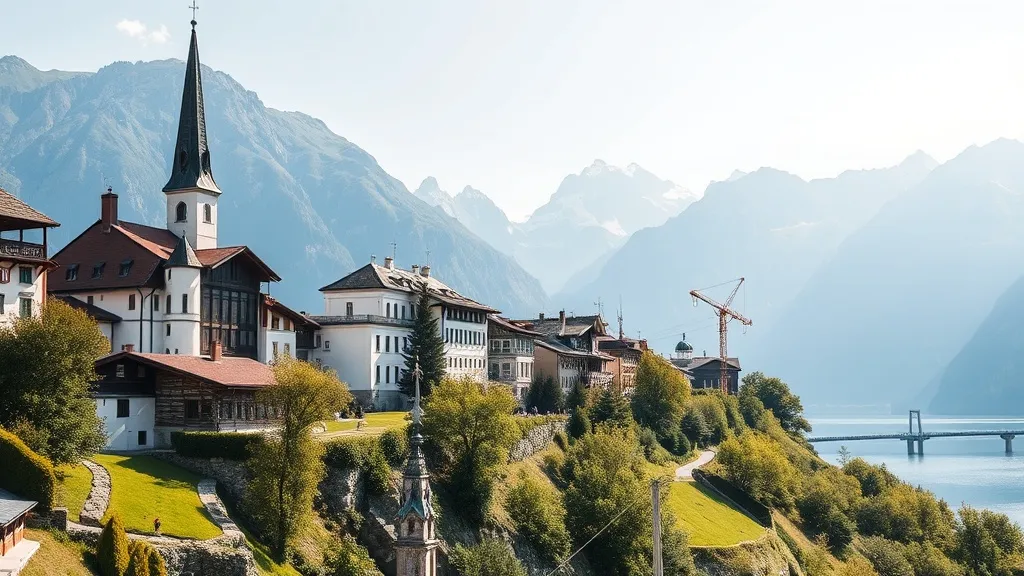
Safety is another perk. Low crime rates mean you can explore cities or go hiking alone without a second thought. Plus, picturesque scenery—from Alpine peaks to serene lakes—offers a perfect weekend escape.
One student recounts weekend ski trips in Verbier and lake swims in Geneva, all within easy reach of campus. It’s like having your study environment and holiday destination rolled into one.
Actionable Takeaway: Research student clubs and outdoor activity groups on campus. Prioritize universities near nature reserves or major cities depending on your lifestyle.
Conclusion
Switzerland offers an unbeatable mix of top-tier education, cultural immersion, affordability, career opportunities, and a high quality of life. Whether you dream of working in cutting-edge labs, enjoying multilingual experiences, or building a global network, this Alpine nation has you covered. Ready to take the next steps? 1) Shortlist programs that align with your career goals. 2) Apply for scholarships and language courses early. 3) Connect with current students and alumni to get insider tips. Your Swiss adventure awaits—go forth and conquer!
FAQ
- What are the main reasons to study in Switzerland?
- Key reasons include world-class universities, affordable tuition, a multilingual environment, strong career prospects, and high quality of life.
- How much does it cost to study in Switzerland in 2025?
- Public university fees range from CHF 500–5,000 per year (USD 560–5,600). Scholarships can further lower expenses.
- Can international students work while studying?
- Yes. Students can work up to 15 hours per week during semesters and full time during breaks, helping offset living costs.
- Are there English-taught programs available?
- Absolutely. Many bachelor’s and master’s programs are offered in English, especially at ETH Zurich and EPFL.
- What post-study work options exist?
- Graduates can stay up to six months to find employment related to their field, with the potential to apply for longer work permits.