Study Abroad in Scotland or Ireland
You’re looking for an overseas adventure that combines world-class education with rich culture. And here’s the thing: when it comes to opportunities, few places rival the charm of Scotland or the excitement of Ireland. In this guide, you’ll discover exactly what it takes to study abroad in Scotland or Ireland, from program types and costs to visa steps and scholarship hacks. You might be surprised to learn that Scotland welcomed 4.4 million international trips in 2024, with visitors spending over £4.0 billion (VisitScotland). Ready? Let’s dive in.
Table of Contents
Why Study Abroad in Scotland or Ireland?
Why are these Celtic nations topping the study abroad charts?
Both countries boast top-ranked universities, vibrant student scenes, and deep historical roots that enrich your academic journey. Simply put, you get rigorous coursework plus unforgettable experiences.
Scotland’s heritage universities—like Edinburgh and St Andrews—offer programs steeped in centuries of scholarship. Ireland, meanwhile, is emerging as a tech and business hub, especially in Dublin. These environments spark intellectual growth and global career readiness.
“Studying abroad in Ireland offers not only academic rigor but also immersive cultural experiences that prepare students for global careers.”
— CIEE Program Director, 2025
Actionable Takeaway: Pinpoint your field—arts, STEM or business—and explore universities that align with your goals. Research early to beat deadlines.
Program Types and Durations
You might be wondering: which program length suits me?
Options range from short summer sessions to full academic years. Here’s a quick rundown:
- Summer programs (4–8 weeks): Great for sampling local life.
- Semester abroad (16–17 weeks): Balanced study and travel.
- Academic year (30+ weeks): Deep immersion in coursework and culture.
In Ireland, semester programs usually cost between $17,950 and $19,950, while a full academic year can run about $37,000. Scotland’s tuition varies by institution but often falls in a similar range (check specific university websites for precise figures).
For example, the CIEE Dublin Semester lasts 16 weeks, bundles housing and excursions, and covers health insurance. That said, you’ll still budget for meals and transport.
Actionable Takeaway: Choose your timeframe first, then target programs that fit your timeline—don’t wait until the last minute.
Cost Comparison: Scotland vs Ireland
Let’s break down expenses so you can budget with confidence.
- Tuition: $18k–$20k per semester in Ireland; similar in Scotland depending on the uni.
- Housing: £500–£800/month in Edinburgh; €600–€900/month in Dublin.
- Living expenses: £129/night average spend in Scotland (2024); Ireland’s daily costs hover around €70–€100.
- Airfare & transport: $800–$1,200 roundtrip, plus local transit passes.
- Miscellaneous: Books, visa fees, personal spending (estimate $1,200–$2,000 per term).
Here’s a simple formula: Tuition + 6 months of living + airfare + misc = Total Estimated Cost. Plug in your numbers and add a 10% buffer. Easy enough?
“The sustained increase in international visitors and spending reflects Scotland’s growing appeal as a study destination.”
— VisitScotland Research Lead, 2025
Actionable Takeaway: Create a spreadsheet with all cost categories. Update it as you confirm program fees and living options.
Visa and Application Process
Confused about visas? You’re not alone.
- Choose your program and note the deadline (often Nov. 1 for Spring intake).
- Gather transcripts, proof of English proficiency, and letters of recommendation.
- Apply online to the university or provider.
- Once accepted, apply for a student visa: Tier 4 for Scotland (UK), D visa for Ireland.
- Pay the immigration health surcharge (UK) or secure health insurance (Ireland).
- Book your flights; finalize housing.
Actionable Takeaway: Mark application and visa deadlines on a shared calendar. Give yourself one month buffer for document delays.
Cultural Immersion and Career Impact
Studying abroad isn’t just about lectures—it’s personal growth fuel.
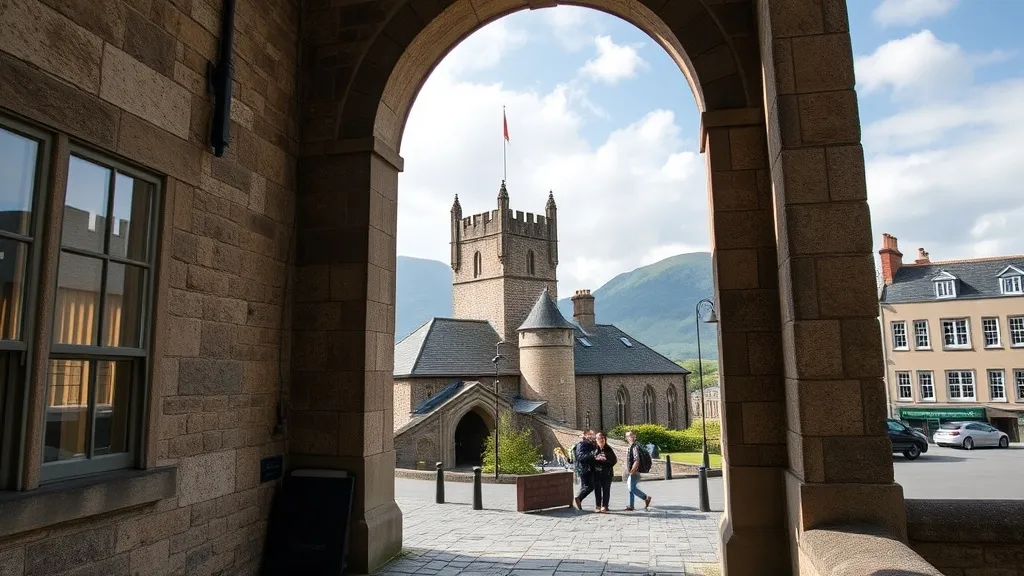
Scotland’s festivals, hiking trails, and historic castles invite exploration on weekends. In Ireland, pub sessions with locals and tech meetups in Dublin accelerate language skills—and LinkedIn connections.
Imagine collaborating on a software prototype in Trinity’s Innovation Hub, then toasting your launch in Temple Bar. Intriguing, right?
Actionable Takeaway: Plan at least two local excursions per month. Use student networks to find offbeat experiences.
Scholarships and Funding Opportunities
Worried about finances? Plenty of grants exist.
- Government-sponsored scholarships (e.g., British Council, Irish Government Scholarships).
- University-specific awards for international students.
- Fulbright and other exchange programs.
- Private foundations and travel grants.
Actionable Takeaway: Compile a list of 5 scholarships, note their requirements, and draft applications three months ahead.
FAQ
- 1. Which costs more, studying in Scotland or Ireland?
- Tuition and living expenses are comparable, though Dublin’s city center housing tends to be pricier.
- 2. Can I work part-time while studying?
- Yes. UK visas allow 20 hours/week during term; Ireland permits 20 hours/week (reduced to 15 during term for some nationalities).
- 3. How can I find housing?
- University dorms fill fast—apply early. Off-campus flatshares are common; use student Facebook groups.
- 4. Do I need health insurance?
- In Scotland, you pay the Immigration Health Surcharge. In Ireland, most programs include basic coverage—upgrade if needed.
- 5. When should I start planning?
- At least nine months before departure. That gives you time for research, applications, funding, and visas.
Conclusion
You now know what to expect when you study abroad in Scotland or Ireland. From program lengths and costs to visas, culture, and funding, you’re ready to make an informed choice. Next steps:
- Identify your top 3 universities or providers.
- Gather application materials and scholarship details.
- Create a timeline with all deadlines and reminders.
The world’s waiting for your next chapter—why not write it in Edinburgh’s Old Town or Dublin’s bustling streets? Adventure (and an excellent degree) lies ahead.