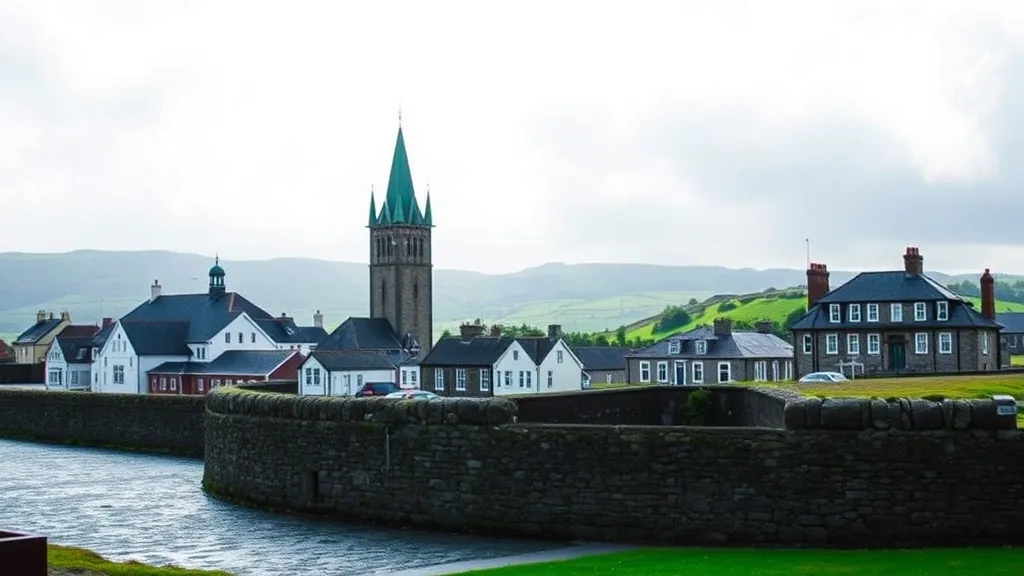
Study Irish Language in Ireland
Anyone intrigued by Celtic culture agrees that nothing beats learning Gaeilge where it breathes and pulses daily. You’re about to discover why you should study Irish language in Ireland, from top immersion programs to practical tips that’ll boost your fluency fast. You’ll learn where to go, how long it takes, and which resources give you the best bang for your buck. Expect surprising facts (did you know nearly 1.9 million people in Ireland say they can speak Irish?Wikipedia), proven timelines, and insider advice. Ready? Let’s dive in. Short answer: Ireland is your classroom.
Table of Contents
- Why Study Irish Language in Ireland?
- Top Immersion Programs to Study Irish Language in Ireland
- Learning Pathways and Timelines
- Gaeltacht Immersion and Cultural Integration
- Practical Tips and Common Pitfalls
- FAQs
- 1. What prerequisites are needed to study Irish in Ireland?
- 2. Can adults join summer colleges in the Gaeltacht?
- 3. How much does it cost to study in the Gaeltacht?
- 4. Are there scholarship opportunities?
- 5. How can I maintain my Irish after returning home?
- Conclusion
Why Study Irish Language in Ireland?
Ever wondered what makes a language come alive? Here’s the thing: context matters. Stepping into Irish-speaking regions—the Gaeltacht—immerses you in everyday Gaeilge, from shop chats to pub singalongs. That said, classroom hours alone won’t cut it if you want true fluency.
In other words, living and learning side by side with native speakers accelerates your progress dramatically. According to Ireland’s latest census, around 40% of people can speak Irish, though daily users number just under 72,000.CSO 2022 Why does that matter? Because you need real-world practice to nail pronunciation, slang, and local expressions.
“Immersion in a community is the fastest route to conversational fluency,” says Éadaoin Fitzmaurice, Irish language advocate.
Actionable Takeaway: Research Gaeltacht regions like Gweedore (Donegal) or Connemara and book a homestay to maximize your spoken Irish practice.
Top Immersion Programs to Study Irish Language in Ireland
Looking for structured courses that blend lessons with culture? You might be wondering which program fits your goals and budget. Let me explain why pairing classroom hours with local life makes all the difference.
Here are some leading options:
- Summer colleges in the Gaeltacht: Tens of thousands of teens attend each year, but many adult programs exist too.
- University summer schools: Trinity College Dublin and University College Cork offer intensive modules.
- Private language schools in Dublin and Galway: Small classes, flexible scheduling.
For example, a four-week summer college in Gweedore covers 80+ hours of instruction plus cultural workshops—plenty of time for conversation practice and traditional music sessions. Plus, you’ll meet other learners who share your passion.
Actionable Takeaway: Compare course lengths, class sizes, and extra activities. Then reserve early—popular Gaeltacht programs fill up by spring.
Learning Pathways and Timelines
How long to learn Irish in Ireland? The truth is, your pace depends on prior language experience and immersion level. However, general milestones help set expectations.
- Basic phrases and conversations: 3–6 months with part-time study and weekend immersion.
- Intermediate fluency: 6–12 months of consistent lessons plus daily practice.
- Advanced mastery: 1–2 years of full immersion, including living in a Gaeltacht area.
Interestingly enough, learners who dedicate at least 15 hours a week to classes and conversation practice often reach an intermediate B1 level within six months. That’s enough to watch Irish-language news or read simple novels.
Actionable Takeaway: Combine structured classes with language meetups or conversation partners. Even a weekly chat café can supercharge your speaking skills.
Gaeltacht Immersion and Cultural Integration
There’s no substitute for soaking up local customs alongside the language. Why does this matter? Culture and language are intertwined—understanding one deepens your grasp of the other.
Gaeltacht regions like Kerry, Donegal, and Connemara offer more than lessons. Think céilí dancing, sean-nós singing, local festivals, and everyday life in Irish. You might be wondering how to find the right balance between study and exploration. Here’s a real example:
A group of adult learners spent two weeks in Connemara last summer. Mornings were for grammar and vocabulary, afternoons for guided hikes where they named flora and fauna in Irish. Evenings meant storytelling by the fire—Irish only.
Éadaoin Fitzmaurice adds: “When you join a community event in Irish, you’re not just practicing the language; you’re living it.”
Actionable Takeaway: Sign up for a local volunteer project or music workshop. Authentic experiences stick in your memory far better than textbooks.
Practical Tips and Common Pitfalls
Ready to avoid beginner blunders? Here are essential pointers:
- Use flashcards for irregular verbs but practice them aloud.
- Listen to Irish radio or podcasts daily—even 10 minutes helps.
- Don’t fear mistakes—native speakers appreciate your effort.
Plus, steer clear of these common mistakes:
Actionable Takeaway: Keep a dedicated journal in Irish; jot down new words, phrases, and reflections on your progress.
FAQs
1. What prerequisites are needed to study Irish in Ireland?
No formal prerequisites—programs range from complete beginner to advanced. Choose based on your level and goals.
2. Can adults join summer colleges in the Gaeltacht?
Absolutely. Many colleges now offer adult-only courses, often outside peak teen sessions.
3. How much does it cost to study in the Gaeltacht?
Budget €800–€1,500 for a two-week program, including tuition and lodging. Costs vary by location and amenities.
4. Are there scholarship opportunities?
Yes. Organizations like Foras na Gaeilge and certain universities offer partial scholarships for language learners.
5. How can I maintain my Irish after returning home?
Join local Irish-language groups, subscribe to Irish media, or find an online conversation partner.
Conclusion
Studying Irish language in Ireland is more than an educational journey—it’s a cultural adventure that transforms how you see history, community, and yourself. You’ve explored why immersion beats classroom-only approaches, discovered top programs, learned realistic timelines, and picked up pro tips to avoid pitfalls.
Next steps:
- Choose your ideal Gaeltacht region and program dates.
- Book accommodations and any volunteer or cultural workshops.
- Set up a routine for daily Irish practice, even before you leave home.
The bottom line is this: when you fully immerse yourself, your confidence—and your fluency—will soar. Ready to pack your bags and embrace the Gaeltacht? Start planning now to study Irish language in Ireland and unlock a whole new world.