Study in Northern Ireland: Options
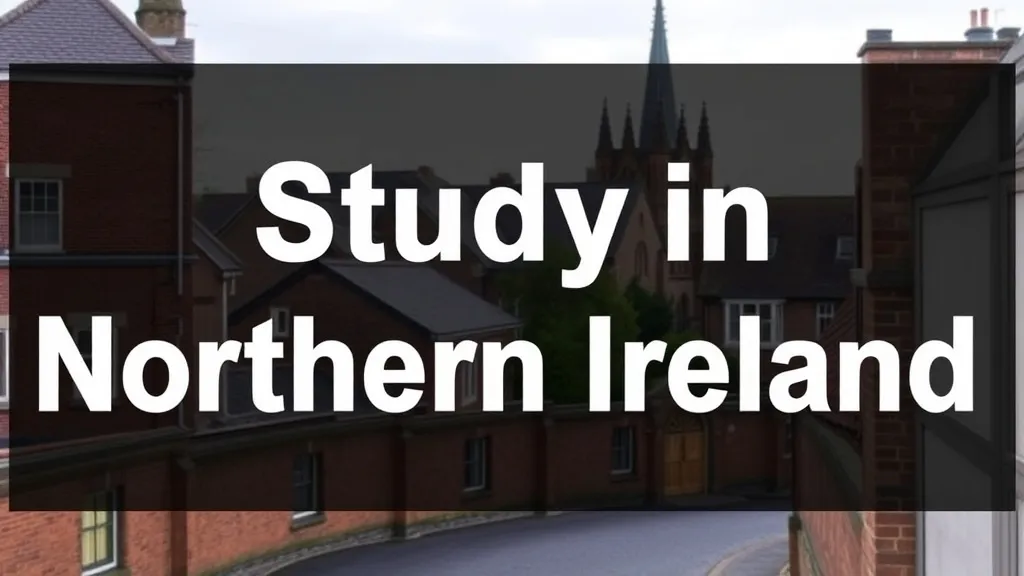
You know how exciting it feels to start a new chapter abroad? If you’re looking to study in Northern Ireland, you’re in good company. Interestingly enough, 12.4% of local 16–24 year olds were not in education or training as of mid-2025, highlighting a surge in demand for higher education (NILFS). You’ll learn about institutions, costs, visas, and life here. Let’s dive in.
Table of Contents
Why Study in Northern Ireland?
Ever wondered why Northern Ireland ranks among the UK’s top study destinations? It’s more than just rolling hills and historic castles. The education system delivers globally recognised qualifications—GCSEs, A-levels, and degrees—with a friendly, community-driven vibe.
That sense of belonging matters. You’ll join tight-knit campus communities and enjoy smaller class sizes. Quality teaching meets real-world research. Ulster University’s involvement in a UK-wide longitudinal study tracking 30,000 babies born in 2026—led by Dr. Orla McBride—shows cutting-edge research opportunities (RTE News).
“Northern Ireland’s research landscape offers you a chance to shape future policy and practice,” notes Dr. Orla McBride, senior lecturer in social policy.
Actionable takeaway: Start your shortlist by checking institution rankings and research areas that match your interests.
Top Universities and Courses
Ready to see which campuses could be your future home? From Belfast to Derry/Londonderry, you’ve got options galore.
- Queen’s University Belfast: Engineering, Medicine, Business
- Ulster University: Arts, Social Sciences, Biomedical Sciences
- St Mary’s University College: Education and Theology
Each institution sets its own entry requirements. For example, Queen’s demands A-level grades of AAB for most undergraduate programmes. You might be wondering: How flexible are these criteria for international students? Many courses accept IB or equivalent credentials.
Example: A Brazilian student with a 90% high school average gained admission to Ulster’s Biomedical Sciences, thanks to documented portfolio and reference letters.
Actionable takeaway: Draft your academic transcripts and reference letters early. Confirm accepted qualifications via official portals like NIDirect.
Cost of Studying in Northern Ireland
Worried about budgets? Let me explain why Northern Ireland can be more affordable than other UK regions.
Tuition fees can vary by subject. STEM courses often carry a premium. You’ll need to budget for accommodation, food, transport, and social life.
- Tuition: £14k–£18k/year
- Rent: £400–£600/month
- Utilities & Food: £200–£300/month
- Miscellaneous: £100–£150/month
Actionable takeaway: Use budgeting tools like SpareRoom to estimate accommodation costs before you arrive.
Student Life and Accommodation
You’ll want more than just lectures. Social life in Belfast and Derry buzzes with arts festivals, live music, and historic tours. Your peers hail from over 100 countries.
On-campus halls cost £120–£180/week with all-inclusive bills. Private rentals near Queen’s or Ulster start at £350/month for a shared house.
Example: An Italian postgraduate found a cozy flatshare in Belfast’s Cathedral Quarter for £375/month, a short walk to campus and cafes. No car needed.
Actionable takeaway: Join student Facebook groups for flatshare leads 2–3 months before term starts.
Visa Process and Post-Study Opportunities
Ready to make it official? The student visa process is straightforward if you follow the steps.
- Obtain Confirmation of Acceptance for Studies (CAS) from your university
- Pay the Immigration Health Surcharge (£776/year)
- Submit your visa application online via UK Student Visas
- Attend a biometric appointment in your country
Once you graduate, the Graduate Route gives you up to two years of work permission (three years for PhD holders). That’s your chance to gain UK experience and build a career.
“Northern Ireland’s evolving job market, especially in tech and healthcare, offers post-study roles for graduates,” says careers advisor Sarah O’Neill.
Actionable takeaway: Update your CV and LinkedIn before graduation. Attend campus career fairs to network early.
Conclusion
Studying in Northern Ireland means world-class learning, affordable living, and vibrant communities. You’ll benefit from supportive campuses, diverse courses, and clear pathways to work.
Next steps:
- Shortlist 3–5 courses by February 2026 application deadlines.
- Gather transcripts, references, and personal statements this summer.
- Apply for scholarships and submit your CAS to start the visa process.
The bottom line is you’re on your way to an unforgettable academic journey. Good luck as you study in Northern Ireland!
FAQs
- How long does the student visa take?
- Processing usually takes 3 weeks; apply at least 4 months before your course start date.
- Can I work while studying?
- Yes—up to 20 hours per week during term and full-time during breaks.
- What scholarships are available?
- Queen’s and Ulster offer merit and country-specific awards. Check each university site by December 2025.
- Is health care covered?
- Yes, after paying the Immigration Health Surcharge, you’ll have access to NHS services.