Study Physiotherapy in Turkey in English 2025
Study Physiotherapy in Turkey in English and gain access to a unique blend of affordable education, modern clinical training, and globally recognized degrees. Choosing to study physiotherapy in Turkey offers international students a competitive edge in healthcare. The country’s leading universities provide comprehensive bachelor’s programs with courses taught entirely in English. This not only opens the door to an international career in healthcare but also equips students with the skills and knowledge required to thrive in diverse health settings around the world.
This guide will provide detailed insights into the top physiotherapy and rehabilitation programs available in Turkey, covering essential aspects such as admission criteria, tuition fees, course structure, and the wide range of career opportunities that await graduates. Whether you are a high school graduate or a professional looking to advance your career, choosing to Study Physiotherapy in Turkey could be the ideal step toward your future.
You can also read: Study Physics and Rehabilitation in Turkey
Table of Contents
- Why Study Physiotherapy in Turkey?
- Overview of English-Taught Physiotherapy Programs
- Leading Universities and Programs
- Year 1: Foundations of Health Sciences
- Year 2: Core Physiotherapy Knowledge
- Year 3: Specialized Rehabilitation Areas
- Year 4: Clinical Practice & Professional Skills
- Admission Requirements
- Tuition Fees and Costs
- Career Prospects for Graduates
- Specializations and Continuing Education
- Professional Resume Builder
- Frequently Asked Questions (FAQ)
- What is the duration of a physiotherapy program in Turkey?
- What language proficiency is needed for these programs?
- What are the career prospects after graduation?
- Conclusion
- Sources
Why Study Physiotherapy in Turkey?
- Modern Facilities: Turkish universities are renowned for their state-of-the-art labs, simulation centers, and ample clinical placement opportunities that enhance practical learning.
- Affordable Tuition: Compared to institutions in Western Europe or North America, Turkey offers high-quality education at significantly lower costs, making it a cost-effective solution without compromising quality.
- International Recognition: Degrees awarded by Turkish universities are recognized worldwide, greatly enhancing your career mobility and prospects across different countries.
- English-Taught Programs: A growing number of top Turkish universities now offer physiotherapy courses in English, ensuring that international students face fewer language barriers and can integrate seamlessly into the academic environment.
- Cultural Experience: Studying in Turkey not only promises academic excellence but also immerses you in a vibrant cultural setting — from its rich historical heritage to its dynamic cities and hospitable communities.
These benefits collectively make Turkey a preferred destination for students pursuing a career in physiotherapy. The combination of affordability, modern teaching methods, and global standards ensures that graduates are well-prepared to excel in the international healthcare arena.
You can also read: Study Turkish Language in Turkey
Overview of English-Taught Physiotherapy Programs
There are several reputable private universities in Turkey offering physiotherapy and rehabilitation programs in English. These programs are designed to provide you with a solid foundation in health sciences, comprehensive clinical practice, and opportunities for specialized training.
Leading Universities and Programs
Some notable universities include:
- BAU International University, Beşiktaş:Program: Physiotherapy & Rehabilitation (BSc, 4 years)
Language: English
Campus: Beşiktaş North Campus - Atlas University:Program: Physiotherapy and Rehabilitation – available in both English and Turkish, catering to a diverse group of students.
- Other Top Private Universities:
Some institutions offer an additional preparatory year for language studies if required, which may extend the duration of the program to five years.
Program Structure
Most English-taught physiotherapy bachelor’s programs in Turkey follow a four-year structure. Some programs offer an additional preparatory language year, as needed.
Year 1: Foundations of Health Sciences
During the initial year, students focus on the fundamental concepts of health sciences. The curriculum includes courses such as Anatomy, Physiology, Medical Terminology, Health Psychology, and an Introduction to Physiotherapy. Additionally, basic courses in First Aid, Biophysics, and Biology are also offered, along with modules designed to strengthen academic skills and research basics. Language courses are available if needed.
Year 2: Core Physiotherapy Knowledge
The second year deepens your understanding as you study subjects such as Pathology, Kinesiology, Biomechanics, and Therapeutic Exercises. Core areas like Electrotherapy, Neurosciences, Pharmacology, and Functional Anatomy are also integrated into the curriculum. This year is dedicated to building a robust theoretical framework.
You can also read: Scholarships to Study in Turkey
Year 3: Specialized Rehabilitation Areas
During the third year, students explore specialized fields such as Neurological, Orthopedic, Pediatric, and Geriatric Rehabilitation. Courses also cover Cardiopulmonary Physiotherapy, advanced therapeutic techniques, and Research Methods in Physiotherapy. Clinical observations and case studies form an integral part of this phase, providing a bridge between theory and practice.
Year 4: Clinical Practice & Professional Skills
The final year is heavily focused on clinical internships in hospitals and rehabilitation centers. Students engage in evidence-based practice, develop professional ethics, and work on a graduation project or thesis. Supplementary courses in Health Management, Law, and Career Planning prepare graduates for the competitive job market.
Admission Requirements
Admission into physiotherapy programs in Turkey typically requires international students to meet the following conditions:
- High School Diploma: Applicants must submit their high school diploma with a minimum grade average. Private universities usually require 50–60%, whereas public universities and competitive scholarship programs may demand higher scores.
- Language Proficiency: For English-taught programs, a valid TOEFL or equivalent certificate is essential. Students opting for Turkish-taught courses must provide a TOMER certificate.
- Standardized Tests: While public universities may require results from tests like the Turkish YÖS or the American SAT, private universities generally do not enforce mandatory standardized testing, though they might consider scores for scholarship opportunities.
- Documentation: Applicants need to submit a copy of their passport, personal photographs, certified translations of their transcripts, and language proficiency certificates.
These requirements ensure that students are well-prepared for rigorous academic coursework and can successfully navigate the challenges of a demanding healthcare curriculum.
You can also read: Study in Turkey from Bangladesh
Tuition Fees and Costs
The tuition fees for physiotherapy programs in Turkey are highly competitive. Below is a comparison of typical annual tuition fees for leading English-taught programs:
| University | Program Duration | Annual Tuition (USD) | Additional Costs |
|---|---|---|---|
| BAU International University | 4 years | $6,000–$8,000 | Accommodation, living expenses |
| Atlas University | 4 years | $5,000–$7,000 | Insurance and books |
| Other Private Universities | 4 years | $4,000–$6,000 | Language preparation (if needed) |
Note that public universities may charge lower tuition fees, but the majority of English courses are offered by private institutions with more flexible admission criteria. When evaluating options, consider not only tuition fees but also additional costs such as accommodation, insurance, and living expenses.
Career Prospects for Graduates
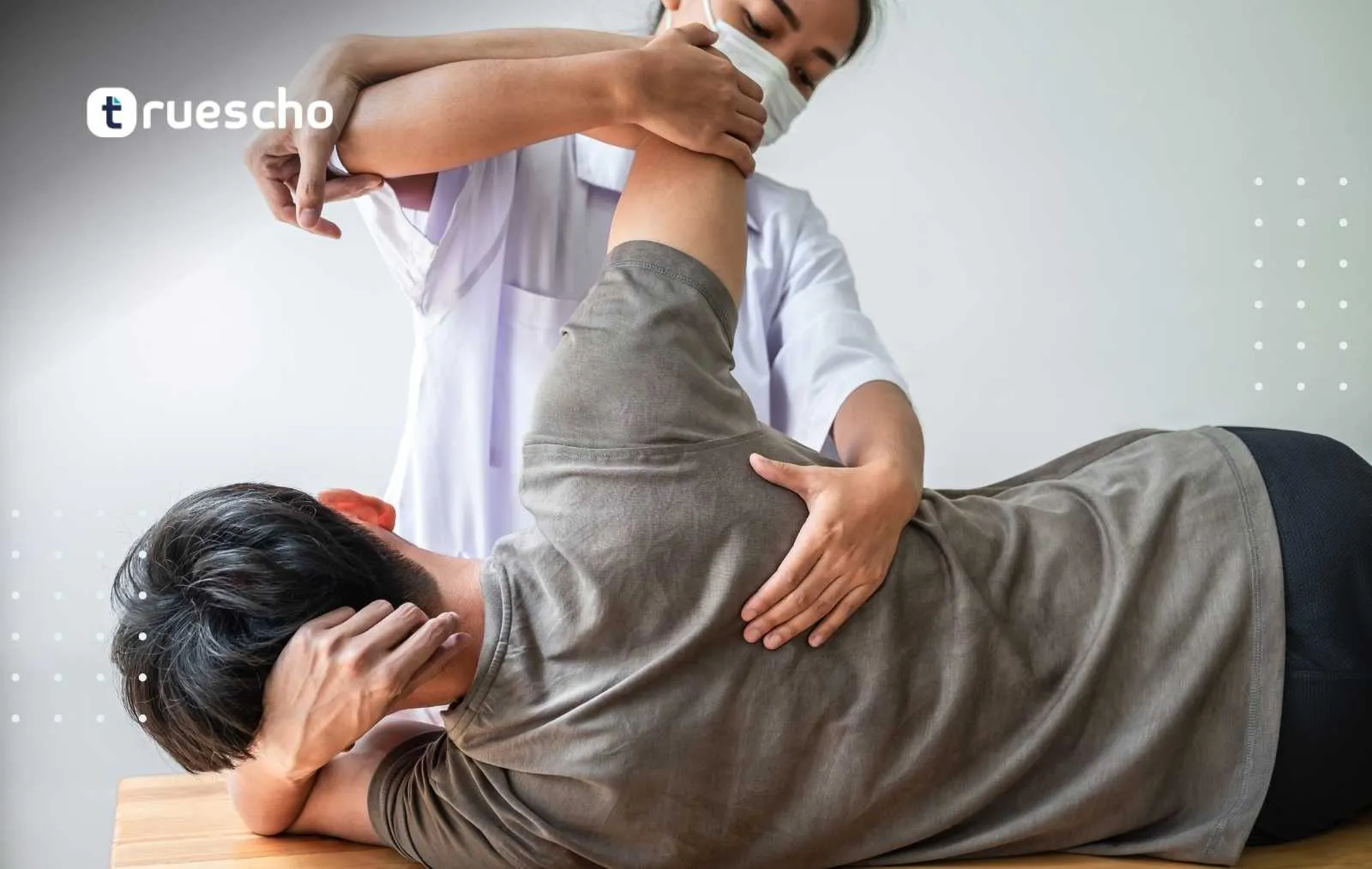
Graduates of English-taught physiotherapy programs in Turkey are highly sought after across the globe. They are well-prepared to step into various roles in the healthcare sector. Employment opportunities include positions in hospitals, specialized rehabilitation centers, sports teams, and academic institutions.
In hospitals and clinics, physiotherapists work with patients recovering from injuries and surgeries, specializing in areas like musculoskeletal, neurological, or pediatric rehabilitation. In rehabilitation centers, professionals design and implement recovery programs tailored to individual patient needs. Furthermore, graduates have the chance to work with sports teams and fitness centers, contributing to injury prevention and performance enhancement.
Beyond clinical practice, many graduates pursue advanced studies or research positions. With a globally recognized degree from Turkey, you can explore opportunities in Europe, the Middle East, and other parts of the world. The international scope of these programs means that your qualification will be respected in virtually any healthcare setting.
Specializations and Continuing Education
After successfully completing a bachelor’s degree in physiotherapy, many graduates opt to further their education. Postgraduate options include:
- Master’s Programs: Specializations in areas such as sports physiotherapy, geriatric rehabilitation, or neuro-rehabilitation provide deeper knowledge and advanced practical skills.
- Clinical Research: For those interested in advancing the field of physiotherapy, engaging in clinical research paves the way for innovation and enhanced treatment modalities.
- Professional Certification: Additional professional certifications can enhance your expertise and broaden your scope of practice in specialized rehabilitation techniques.
Whether you decide to pursue a master’s degree or additional certifications, the Turkish education system supports your professional growth with numerous continuing education opportunities.
Professional Resume Builder
Create your resume professionally in minutes.
Frequently Asked Questions (FAQ)
What is the duration of a physiotherapy program in Turkey?
Most English-taught physiotherapy programs in Turkey are designed to be completed in 4 years. Some universities may also suggest an optional 1-year preparatory language course if required.
What language proficiency is needed for these programs?
Applicants for English-taught programs must submit a TOEFL certificate or equivalent proof of English proficiency. Alternatively, those applying to Turkish-taught courses must provide a valid TOMER certificate.
What are the career prospects after graduation?
Graduates from these programs can work in hospitals, rehabilitation centers, sports organizations, and academic or research institutions. The globally recognized degree opens up international career opportunities.
Conclusion
Studying physiotherapy in Turkey in English offers a compelling blend of academic excellence, modern clinical training, and affordability. With state-of-the-art facilities, internationally recognized degrees, and numerous career opportunities, the Turkish education system is well-positioned to help you succeed in the global healthcare field.
The comprehensive curriculum ensures that students not only gain theoretical knowledge but also accumulate essential practical experience through extensive clinical placements. Whether your goal is to work in top hospitals, specialize in rehabilitation, or pursue further studies, a physiotherapy degree from Turkey can significantly boost your career trajectory.
Sources
- Bachelorsportal: Physiotherapy in Turkey
- BAU International: Physiotherapy & Rehabilitation
- EMU: Physiotherapy and Rehabilitation Undergraduate Program
- Atlas University: Physiotherapy and Rehabilitation
- Itqan Education: Study Physiotherapy in Turkey
- Turkey Campus: Studying Physiotherapy in Turkey
- WUSTL Bulletin
- Alemnishokran: Studying Physical Therapy