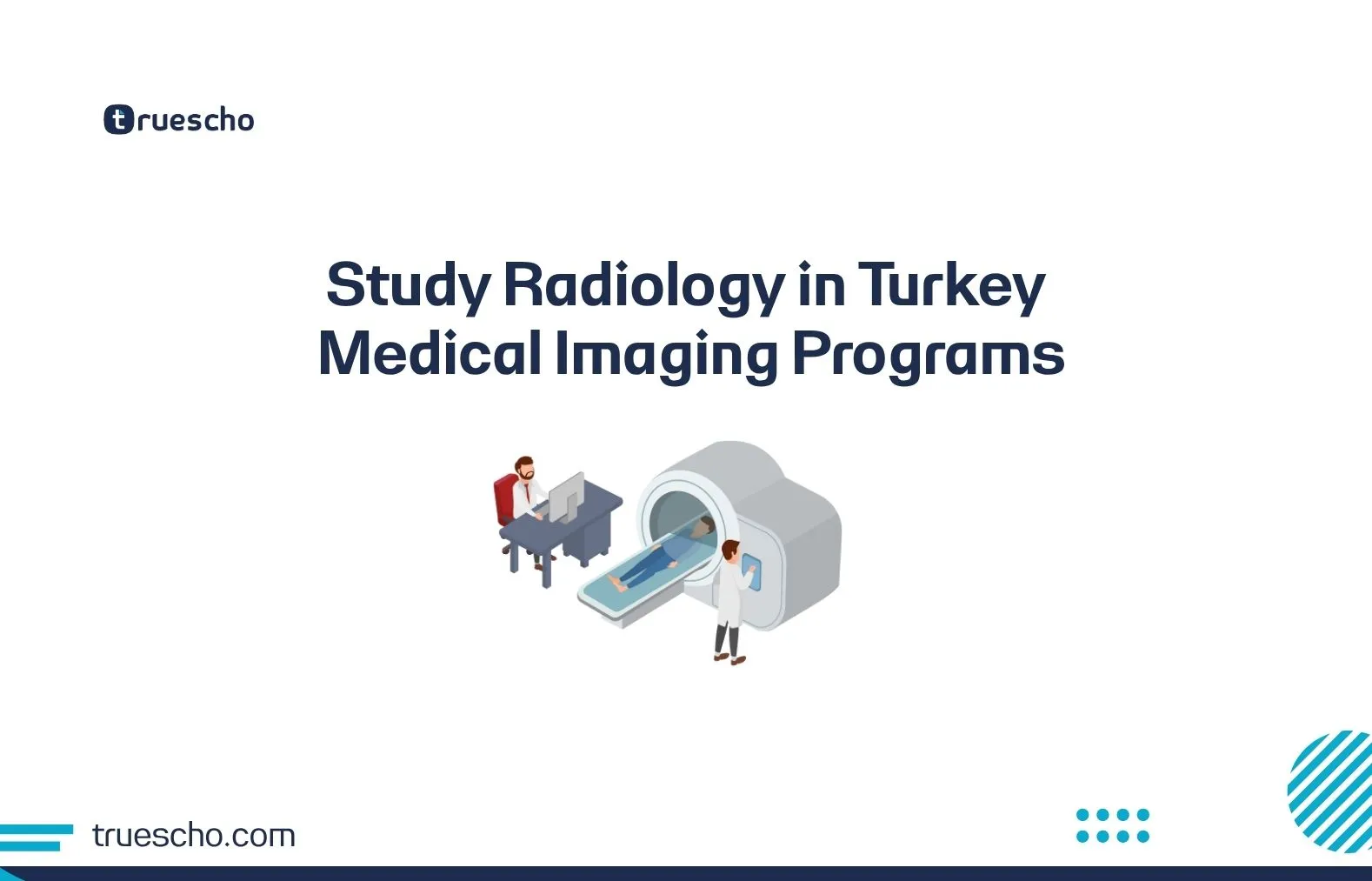
Study Radiology in Turkey: Medical Imaging Programs
Embarking on a career in radiology and medical imaging in Turkey provides an excellent opportunity for students who desire world-class education, exposure to cutting-edge technology, and comprehensive clinical training. Turkish universities offer an array of programs – from associate degrees in medical imaging techniques to full-blown medical degrees with radiology specialization. For anyone looking to Study Radiology in an internationally recognized setting, Turkey stands out as a compelling option.
This detailed guide presents everything prospective students need to know, including admission requirements, top-rated institutions, diverse program options, and future career prospects. Whether your goal is to become a radiology technician mastering imaging procedures or a specialized radiologist employing advanced diagnostic tools, Turkey’s rapidly developing healthcare education landscape presents a robust platform for acquiring critical expertise in diagnostic imaging. Students who Study Radiology in Turkey gain both theoretical knowledge and hands-on experience, preparing them for competitive roles worldwide.
The growing international reputation of Turkish medical institutions also ensures that graduates achieve qualifications recognized worldwide. Choosing to Study Radiology in Turkey means joining a field that blends technology, precision, and patient care in a high-demand, high-impact profession.
You can also read: Study Ophthalmology in Turkey
Table of Contents
- Why Study Radiology in Turkey?
- Types of Radiology and Medical Imaging Programs in Turkey
- Admission Requirements for Radiology Programs
- Associate Degree and Bachelor’s Programs
- Medical Degree and Radiology Specialization
- Top Universities for Radiology and Medical Imaging in Turkey
- Program Curriculum and Course Highlights
- Career Prospects for Radiology Graduates in Turkey
- Comparison of Program Costs
- Practical Steps to Study Radiology in Turkey
- Professional Resume Builder
- Conclusion
- Sources
Why Study Radiology in Turkey?
Turkey is emerging as a prime destination for medical imaging education due to its integration of modern technological tools, highly experienced faculty, and extensive clinical exposure. Universities in Turkey adopt modern teaching methodologies, combining theoretical study with practical experience in facilities equipped with advanced imaging equipment such as PET-CT, MRI, CT, and X-ray machines. This blend of rigorous academic content and hands-on training prepares graduates to meet the dynamic needs of the healthcare industry.
Moreover, the country’s commitment to upgrading educational infrastructure and fostering research contributes to a vibrant learning environment. Whether you are an international student or a local candidate, studying radiology in Turkey also means access to competitive tuition fees, dynamic campus life, and numerous opportunities for academic as well as professional networking.
Types of Radiology and Medical Imaging Programs in Turkey
There are several educational pathways available for aspiring professionals in the field of radiology and medical imaging:
- Associate Degree in Medical Imaging Techniques: A focused two-year program that trains students as radiology technicians. It involves hands-on training in patient preparation, imaging procedures, and equipment handling.
- Bachelor’s Degree in Radiology and Medical Imaging: A four-year program offered by some universities. Many students initially enter the profession with an associate degree and later transfer to a bachelor’s program via a vertical transfer exam.
- Doctor of Medicine (MD) with Radiology Specialization: For those aiming to become a radiologist, the pathway begins with a six-year medical degree that is followed by specialized residency training in radiology.
Each pathway is designed to meet varying career aspirations. For example, if you are interested in quickly joining the workforce as a radiology technician, the associate degree provides a streamlined education. Alternatively, if your dream is to work as a specialized radiologist, enrolling in an MD program with subsequent radiology residency ensures a thorough and rigorous academic journey.
You can also read: Study Dermatology in Turkey
Admission Requirements for Radiology Programs
Associate Degree and Bachelor’s Programs
- A high school diploma or equivalent is required.
- Language proficiency in Turkish or English – dependent on the choice of program.
- International students must have a valid student visa and passport.
- Some programs require a medical check-up or health certificate.
- Minimum exam scores may be mandated by specific universities or programs.
Medical Degree and Radiology Specialization
- A solid high school background in science subjects is needed.
- Successful completion of the university entrance exam for medical programs.
- A six-year medical degree (MD) is required before specialization.
- Selection for residency in radiology via a national exam and subsequent placement process.
- Licensing, along with certification, is obligatory for practicing as a radiologist.
Top Universities for Radiology and Medical Imaging in Turkey
Turkish universities are renowned for their quality and commitment to medical education. Below is a comparison of some of the top institutions offering radiology and medical imaging programs:
| University Name | Program Type(s) Offered | Notable Features |
|---|---|---|
| Hacettepe University | MD, Radiology Specialization | Top-ranked with focus on research |
| Istanbul University | MD, Radiology Specialization | Historic institution with strong clinical focus |
| Ankara University | MD, Radiology Specialization | Comprehensive medical training |
| Marmara University | MD, Radiology Specialization | Modern facilities and advanced learning environments |
| Mersin University | MD, Radiology Specialization | Regional leader in healthcare education |
| Eastern Mediterranean University | Associate Degree in Medical Imaging Techniques | Offers English-language options |
| Bahçeşehir University | Associate Degree in Medical Imaging Techniques | Strong industry partnerships |
| Izmir University of Economics | Associate Degree in Medical Imaging Techniques | Global outlook and technology-equipped curriculum |
Many of these universities provide programs entirely in English, making them especially attractive to international students seeking to integrate into Turkey’s vibrant educational ecosystem.
You can also read: Study Music in Turkey
Program Curriculum and Course Highlights
The curriculum for radiology and medical imaging courses is designed to ensure a comprehensive understanding of both theoretical and practical aspects of the field. Here are some typical subjects you will encounter:
- Anatomy and Physiology: Essential for understanding human body structures and function.
- Radiation Physics: Fundamental principles of radiation and its applications in medicine.
- Radiographic Techniques and Principles: Detailed study of imaging methods and protocols.
- Medical Imaging Methods: In-depth analysis on X-ray, CT, MRI, and PET-CT.
- Radiation Safety and Protection: Procedures to ensure the safety of patients and clinicians.
- Radiobiology: The biological effects of radiation exposure on living tissues.
- Quality Control and Management: Protocols and procedures to maintain high imaging standards.
- Professional Ethics and Communication: Critical skills for interacting with patients and colleagues in a clinical setting.
These comprehensive courses not only solidify your technical and diagnostic skills but also offer insights into current technological advancements and ethical practices in the healthcare industry.
Career Prospects for Radiology Graduates in Turkey
Graduates from radiology and medical imaging programs in Turkey have a wide range of professional opportunities. As a radiology technician, you may work in hospitals, imaging centers, and outpatient clinics. For those who complete an MD followed by radiology specialization, roles as radiologists provide the opportunity to diagnose and treat complex conditions using state-of-the-art imaging technology.
Beyond direct patient care, further opportunities also exist for graduates interested in research, academic roles, and administrative positions in healthcare institutions. The demand for skilled imaging professionals continues to grow, ensuring a vibrant job market for new graduates.
You can also read: Study Aviation in Turkey
Comparison of Program Costs
Understanding the financial commitment is essential when choosing a program. Below is a table summarizing the estimated tuition fees for various radiology programs in Turkey:
| Program Type | Duration | Estimated Tuition (USD/year) | Notes |
|---|---|---|---|
| Associate Degree (Public) | 2 years | $500–$2,000 | Affordable and high in demand |
| Associate Degree (Private) | 2 years | $3,000–$8,000 | More expensive with flexible learning options |
| Bachelor’s Degree (Public) | 4 years | $1,000–$4,000 | Competitive with limited seats |
| Bachelor’s Degree (Private) | 4 years | $5,000–$15,000 | Often offers English-language programs |
| Medical Degree (Public) | 6 years | $1,000–$5,000 | Highly competitive entry |
| Medical Degree (Private) | 6 years | $8,000–$25,000 | Offers additional seats and English options |
Do note that tuition fees may vary based on the university, course structure, and whether you are an international or domestic student. It is advisable to contact the specific institution for the most current fee structure.
Practical Steps to Study Radiology in Turkey
Take the following steps to secure your spot in one of Turkey’s esteemed radiology programs:
- Choose Your Program: Decide whether you wish to pursue an associate, bachelor’s, or full medical degree based on your future career aspirations.
- Review Admission Requirements: Ensure you meet the required academic, language, and health criteria.
- Apply to Universities: Complete the application process before the deadlines and provide all mandatory documentation.
- Obtain a Student Visa: Begin the visa application process once you receive your acceptance letter.
- Prepare for Life in Turkey: Arrange accommodation, secure health insurance, and complete local registration procedures.
- Engage in Your Studies: Actively participate in coursework, clinical training, and networking opportunities in the medical field.
- Certification and Licensure: Successfully pass all relevant professional examinations to obtain the necessary credentials for practicing radiology