Study in Switzerland 2025: Complete Guide
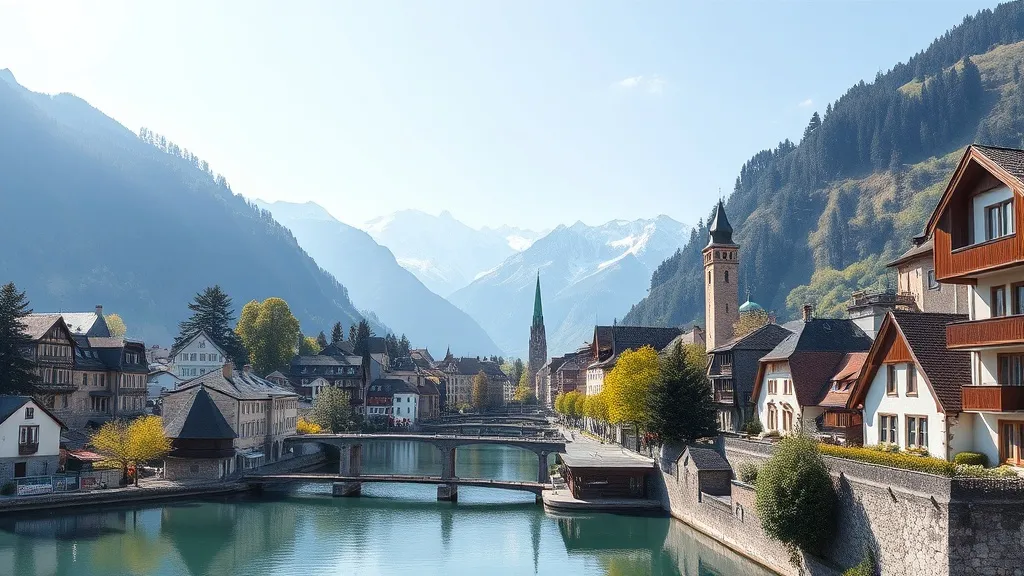
You’ve probably heard that Switzerland is home to world-class institutions, stunning Alpine scenery, and a high quality of life. If you’re planning to study in Switzerland in 2025, you’re on the right track. Interestingly enough, about 25% of students in Swiss universities are international (Wikipedia).
Here’s the thing: navigating programs, costs, visas, and post-study work can feel overwhelming. In this guide, you’ll learn about top institutions, tuition and living expenses, scholarship options, application steps, and future trends. You’ll walk away ready to make informed decisions—and kickstart your Swiss adventure.
In the sections below, we’ll cover:
- Why Switzerland is a top study destination
- Leading universities and degree programs
- Costs, scholarships, and financial planning
- Application process and visa essentials
- Job prospects after graduation
Table of Contents
- Why Study in Switzerland in 2025?
- Top Universities and Programs
- Cost of Studying and Living Expenses
- Scholarships and Funding Opportunities
- Application Process and Visa Requirements
- Post-Study Work Opportunities
- Tips for International Students
- Future Trends in Swiss Higher Education
- FAQ
- What is the minimum language requirement?
- Can I work part-time during my studies?
- How do I open a blocked account?
- Are internships paid?
- Conclusion
Why Study in Switzerland in 2025?
High academic standards, innovative research, and cultural diversity—Switzerland ticks all the boxes. Let me explain…
Swiss public universities charge modest tuition (CHF 500–5,000/year), while private institutions range from CHF 8,000–40,000/year. You’ll find programs in English, German, French, or Italian, so language isn’t necessarily a barrier.
“Swiss education is internationally recognized for quality and practicality.” – OECD 2025 report
Plus, average starting salaries hover around CHF 65,000–90,000 annually. Not bad, right?
Top Universities and Programs
Switzerland’s higher education system blends long-standing traditions with cutting-edge research. Below is a snapshot.
- ETH Zurich: Engineering, Computer Science, Natural Sciences
- EPFL (Lausanne): Technology, Physics, Life Sciences
- University of Geneva: Social Sciences, Medicine, Business
- University of Lausanne: Arts, Biology, Law
- University of Zurich: Medicine, Economics, Humanities
Degree durations typically run 3 years for a bachelor’s, 1.5–2 years for a master’s, and 3–5 years for a PhD. Most programs require C1 proficiency in the instruction language or English test scores (IELTS, TOEFL).
You might be wondering: how do I pick the right course? Consider your long-term goals, industry demand, and language preference.
Cost of Studying and Living Expenses
Switzerland is famously expensive—but smart budgeting eases the burden. Here’s what to expect:
| Expense | Annual Cost |
|---|---|
| Public university tuition | CHF 500–5,000 |
| Private university tuition | CHF 8,000–40,000 |
| Living costs | CHF 18,000–28,000 (CHF 1,500–2,800/month) |
Financial proof for a student visa is CHF 21,000 per year. It’s essential to open a Swiss blocked account or show a scholarship award letter.
Scholarships and Funding Opportunities
Finding funding can be a game-changer. Here are top options:
- Swiss Government Excellence Scholarships (postgraduate/PhD)
- ETH Zurich Excellence Scholarship (tuition + living expenses)
- EPFL Excellence Fellowships (CHF 10,000/semester)
- University of Geneva Excellence Master Fellowships (CHF 10,000–15,000)
- University of Lausanne Master’s Grants (CHF 1,600/month for 10 months)
Need more details? See DAAD Scholarships Database: How It Works for a deeper dive.
Application Process and Visa Requirements
Let’s break down each step:
- Choose your program and check admission criteria.
- Prepare transcripts, test scores, CV, and motivation letter.
- Apply via the university portal before deadlines (often December–March for the next academic year).
- Obtain admission letter and apply for a student visa at the Swiss consulate.
- Show proof of funds (blocked account or scholarship).
- Buy health insurance and find accommodation.
The visa process can take 6–8 weeks. Patience is key.
Have questions on timing? Visit the Swiss State Secretariat for Migration for details.
Post-Study Work Opportunities
Graduates receive a 6-month job-search permit—your window to land that first role. Industries like finance, pharma, tech, and hospitality hire international talent.
Average starting salaries range from CHF 65,000 to CHF 90,000. Networking events, career fairs, and university alumni platforms are invaluable resources.
Tips for International Students
Adapting to Swiss life can be a culture shock—but here’s how to ease in:
- Learn basic German, French, or Italian phrases for daily interactions.
- Buy used textbooks and cook at home to save on living costs.
- Join student associations and local sports clubs to meet people.
- Use public transport passes—buses and trains are efficient but pricey.
Simply put, balance academics with social life. And don’t hesitate to ask for help—university services are there for you.
Explore more on DAAD for International Students 2025 and discover practical budgeting tools.
Future Trends in Swiss Higher Education
Interestingly enough, English-taught programs are on the rise, especially in STEM fields. Universities are integrating digital learning platforms and sustainability modules to meet global challenges.
Furthermore, partnerships between industry and academia are creating more internship and research opportunities.
The bottom line is: Switzerland continues to evolve, offering dynamic study environments and career pathways.
FAQ
What is the minimum language requirement?
Most programs ask for C1 proficiency in German, French, or Italian, or IELTS 6.5+ / TOEFL iBT 90+ for English-taught courses.
Can I work part-time during my studies?
Yes. Student visa holders may work up to 15 hours per week or full-time during holidays.
How do I open a blocked account?
Contact a Swiss bank (e.g., UBS, Credit Suisse) and provide your visa letter. You deposit CHF 21,000 and show the statement to the consulate.
Are internships paid?
Usually, yes—especially in engineering, finance, and pharmaceuticals. Salaries vary by sector but often cover living expenses.
Conclusion
Studying in Switzerland in 2025 means world-class education, research-driven programs, and vibrant cultural experiences. You’ve seen the costs, scholarship paths, application steps, and post-study options—now it’s your move.
3 next steps:
- Shortlist programs and check admission deadlines.
- Apply for scholarships and gather financial documents.
- Submit your visa application and prepare for life in Switzerland.
Embrace the journey ahead. Your Swiss adventure starts now.
Ready to study in Switzerland? Your future awaits in the heart of Europe.