Where is Oxford University? Location, History, and Notable Facts
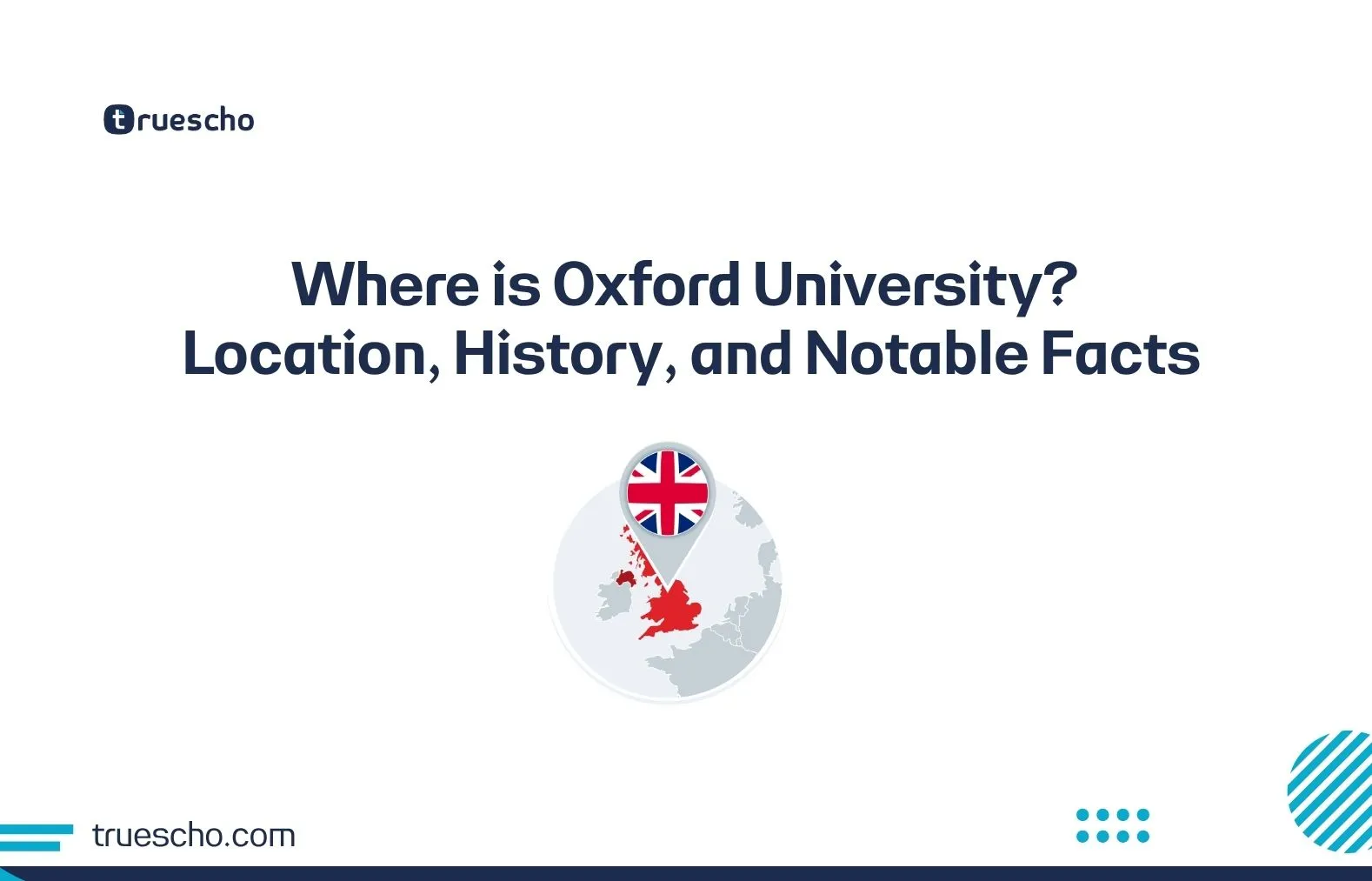
Oxford University is located in the historic city of Oxford, England, approximately 60 miles (90 km) northwest of London. As the oldest university in the English-speaking world with evidence of teaching dating back to 1096, this prestigious institution has shaped global education for nearly a millennium while occupying its scenic location along the upper River Thames (locally known as the Isis) and the River Cherwell.
Table of Contents
- The Exact Location of Oxford University
- Oxford University’s Historical Development
- The University in Modern Times
- Oxford University’s Architectural Landscape
- Fascinating Facts About Oxford University
- The Collegiate System Explained
- How to Visit Oxford University
- Frequently Asked Questions About Oxford University
- Is Oxford University public or private?
- How many students attend Oxford University?
- Is Oxford University difficult to get into?
- What is Oxford University known for academically?
- What’s the difference between Oxford and Cambridge?
- Conclusion
The Exact Location of Oxford University
Unlike many modern universities with a single, unified campus, Oxford University is integrated throughout the city of Oxford in what’s known as a collegiate system. The university consists of 43 constituent colleges and halls spread across the city center and surrounding areas.
The heart of Oxford University is often considered to be the historic Bodleian Library complex and the Radcliffe Camera on Radcliffe Square. The main administrative building, the University Offices, is located on Wellington Square. However, each college functions somewhat independently with its own grounds, residence halls, libraries, and dining facilities.
Oxford city itself sits at the confluence of the River Thames and River Cherwell in Oxfordshire county, southern England. Its coordinates are approximately 51°45′07″N 1°15′28″W. The city is well-connected to the rest of the United Kingdom, with excellent transportation links:
- Distance from London: 60 miles (90 km), about 1 hour by train from London Paddington or by coach from London Victoria
- Distance from Birmingham: 64 miles (103 km), approximately 1.5 hours by train
- Distance from Bristol: 61 miles (98 km), around 1.5 hours by train
Also Check:
Oxford University’s Historical Development
The University of Oxford’s precise founding date remains unknown, but evidence of teaching at Oxford exists from as early as 1096, making it the oldest university in the English-speaking world and the second-oldest continuously operating university globally (after the University of Bologna in Italy, founded in 1088).
The university experienced significant growth from 1167 when King Henry II banned English students from attending the University of Paris following a dispute with Thomas Becket. This royal decree prompted many scholars to establish themselves in Oxford, creating the foundation for what would become one of the world’s most prestigious educational institutions.
By 1201, the university had a chancellor, and by 1231, the masters were recognized as a universitas or corporation. In 1248, the university received its first royal charter from King Henry III, further cementing its status.
The university’s earliest colleges were established in the 13th century:
- University College (1249)
- Balliol College (1263)
- Merton College (1264)
These colleges established the collegiate system that continues to distinguish Oxford today. Each college developed around two or three quadrangles, typically featuring a chapel, hall, library, and walled gardens. This architectural pattern has been largely maintained throughout the centuries, giving Oxford its characteristic medieval and early modern aesthetic.
The University in Modern Times
Today, Oxford University comprises 36 semi-autonomous colleges, four permanent private halls, and three societies. The colleges operate somewhat independently while still being part of the larger university structure. Each college has its own governance, admissions policies, and academic specialties, though students receive their degrees from the university as a whole.
The university is led by a vice-chancellor (currently Irene Tracey), who serves as the de facto head of the institution. Five pro-vice-chancellors oversee specific areas including education, research, planning and resources, development and external affairs, and personnel and equal opportunities.
Oxford remains one of the world’s most prestigious universities, consistently ranking among the top educational institutions globally. It has educated 28 British Prime Ministers, at least 30 international leaders, 55 Nobel Prize winners, and countless influential figures in science, literature, arts, and politics.
Also Check:
Opendoor Scholarship: Complete Guide to Eligibility
Oxford University’s Architectural Landscape
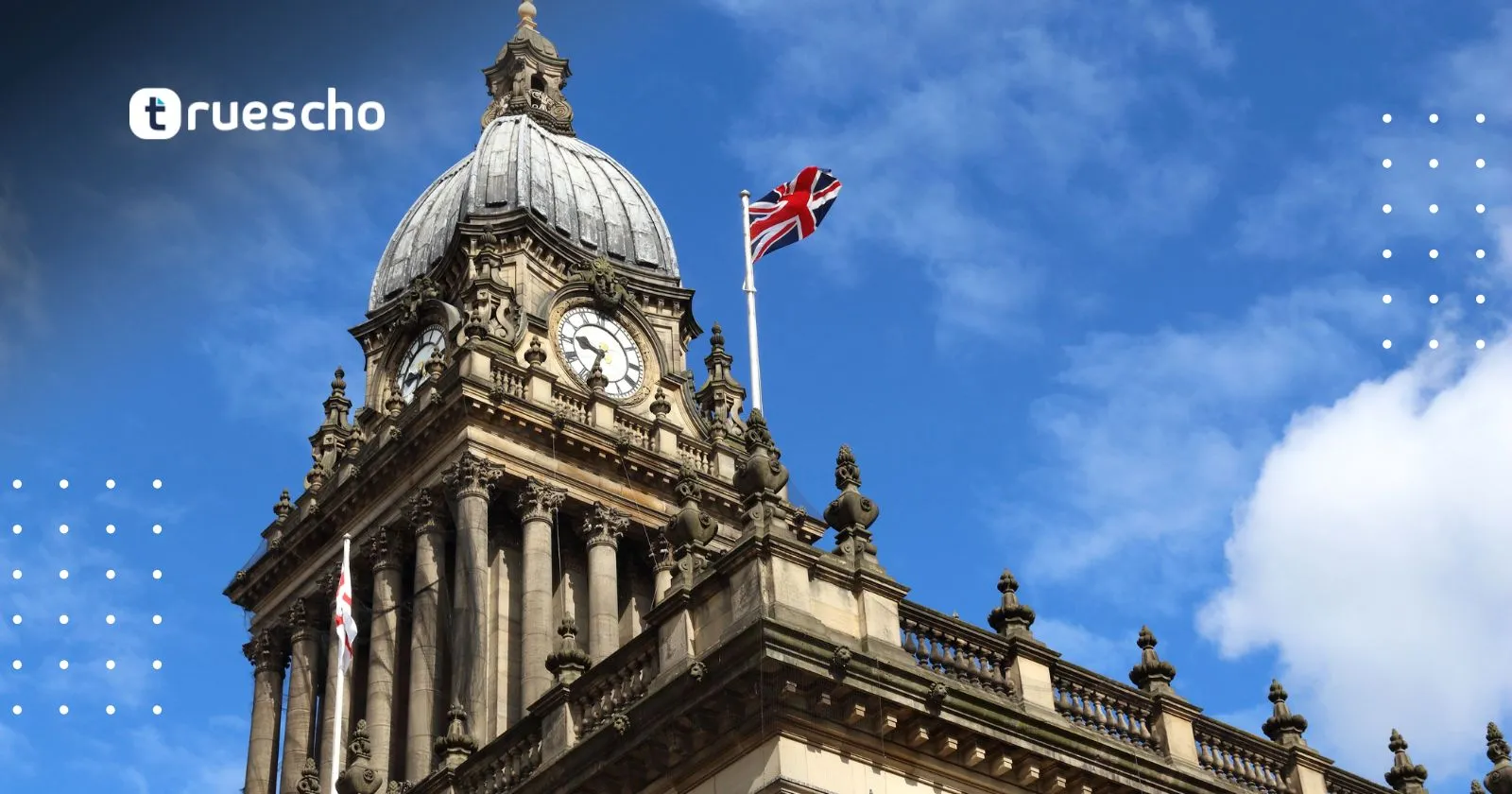
Oxford University is renowned for its stunning architecture spanning every period of English architectural history since late Anglo-Saxon times. The city and university’s skyline is so distinctive with its “dreaming spires” that it has become iconic in educational imagery worldwide.
Some of the most notable architectural landmarks include:
- The Radcliffe Camera: A distinctive circular library building designed by James Gibbs in the 18th century, now functioning as a reading room for the Bodleian Library.
- The Bodleian Library: One of the oldest libraries in Europe, with sections dating back to the 15th century. The Divinity School features a spectacular medieval ceiling.
- Christ Church College: Known for its grand Tom Tower designed by Sir Christopher Wren and its Great Hall, which inspired Hogwarts Hall in the Harry Potter films.
- Magdalen College Tower: A landmark that dominates the High Street, where choristers sing from the top on May Morning (May 1st) each year in a tradition dating back 500 years.
- The Bridge of Sighs: A distinctive covered bridge connecting buildings of Hertford College, named after its supposed similarity to the Venetian bridge.
The combination of these architectural masterpieces spread throughout a relatively small city center creates an atmosphere of academic tradition and historical continuity that few other educational institutions can match.
Fascinating Facts About Oxford University
- Ancient Institution: Oxford University is older than the Aztec Empire. Teaching began at Oxford around 1096, while the Aztec civilization’s capital of Tenochtitlán wasn’t founded until 1325—more than 200 years later.
- No Founding Document: Unlike many institutions, Oxford has no known official founding charter or date. It evolved gradually from schools that existed in the city by the late 11th century.
- Women’s Admission: Oxford remained exclusively male until 1878, when the first women’s colleges—Lady Margaret Hall and Somerville College—were established. Women weren’t granted full university membership until 1920, and most colleges didn’t become co-educational until the 1970s.
- Literary Connections: Oxford has inspired countless works of literature. Lewis Carroll (Charles Dodgson), a mathematics lecturer at Christ Church, wrote “Alice’s Adventures in Wonderland” based on stories he told to the daughter of the college dean. J.R.R. Tolkien and C.S. Lewis were both Oxford professors who met regularly at The Eagle and Child pub, a group they called “The Inklings.”
- The Four-Minute Mile: Oxford’s Iffley Road Track was where Roger Bannister, a medical student at the university, became the first person to run a mile in under four minutes on May 6, 1954.
- Oxford English Dictionary: The definitive record of the English language, the Oxford English Dictionary, is published by Oxford University Press, the world’s largest university press and the second oldest after Cambridge University Press.
Also Check:
Free Leadership and Followership Course
The Collegiate System Explained
One of Oxford’s most distinctive characteristics is its collegiate system, which shapes both academic and student life at the university. Understanding this system is essential for prospective students or anyone interested in how Oxford functions.
Each college at Oxford serves as both an academic community and a residential center. Colleges are where students live, eat, socialize, and often receive tutorials (Oxford’s distinctive small-group teaching sessions). While departments and faculties provide lectures, labs, and central resources, many students identify primarily with their college rather than the university as a whole.
The colleges vary in size, age, traditions, and architectural style. Some, like Christ Church or Magdalen, are large, wealthy, and tourist attractions in their own right. Others, like St Edmund Hall or Linacre, are smaller and more intimate. Each has its own character and strengths.
This system creates a unique educational environment where students benefit from being part of both a small, close-knit college community and a large, world-class university. It provides opportunities for interdisciplinary interaction, as students from all subjects live and dine together in their colleges, while still receiving specialist teaching from experts in their fields.
How to Visit Oxford University
If you’re interested in visiting Oxford University, most colleges are open to visitors at specific times, usually for a small fee. Some of the most popular colleges to visit include:
- Christ Church: Famous for its connections to Alice in Wonderland and Harry Potter, featuring an impressive cathedral and dining hall
- Magdalen College: Known for its beautiful grounds, including a deer park and extensive gardens
- New College: Despite its name, dates from 1379 and features medieval cloisters and an ancient city wall
- Bodleian Library: Offers guided tours of its historic spaces, including the 15th-century Divinity School
The best way to reach Oxford from London is by train from Paddington Station (approximately 1 hour) or by coach services like the Oxford Tube, which run 24/7 from multiple locations in London. Once in Oxford, the university buildings are concentrated in the city center and easily walkable.
Guided walking tours are available through the Oxford Visitor Information Centre and provide valuable historical context to the university buildings and their significance. The university also hosts open days for prospective students, typically in June and September, when many facilities that aren’t normally accessible to the public can be visited.
Frequently Asked Questions About Oxford University
Is Oxford University public or private?
Oxford University is a public university in the sense that it receives some government funding. However, it operates independently with substantial autonomy in its governance, curriculum, and admissions. It’s technically a “chartered corporation” established by royal charter.
How many students attend Oxford University?
Oxford has approximately 25,000 students in total, with roughly equal numbers of undergraduate and graduate students. About 40% of the student body comes from countries outside the UK.
Is Oxford University difficult to get into?
Yes, Oxford is one of the most competitive universities in the world. The overall acceptance rate is approximately 17%, but this varies significantly by course, with some programs accepting fewer than 10% of applicants. The admissions process involves academic qualifications, entrance tests, and interviews.
What is Oxford University known for academically?
Oxford has strengths across humanities, sciences, medical sciences, and social sciences. It’s particularly renowned for classics, philosophy, politics, physics, medicine, mathematics, English literature, and history. The university consistently ranks among the top global institutions in most subject areas.
What’s the difference between Oxford and Cambridge?
Oxford and Cambridge (collectively known as “Oxbridge”) are both ancient collegiate universities with similar teaching methods and structures. They’re academic rivals with comparable prestige. The differences are subtle but include: Oxford is slightly larger, has a more urban setting, puts more emphasis on humanities historically (though both excel in all fields now), and has a different term structure. The two universities also have a famous boat race competition on the Thames River each spring.
Also Check:
OUC Chinese Government Scholarship
Conclusion
Oxford University’s location in the historic city of Oxford, England, positions it perfectly as a center of academic excellence. The city provides a blend of medieval charm and modern amenities, creating an ideal environment for learning and research that has endured for nearly a millennium.
The university’s distributed collegiate structure throughout the city creates a unique academic ecosystem that has fostered some of history’s greatest minds and continues to shape global education, research, and innovation to this day.
Whether you’re considering Oxford for your studies, planning a visit to admire its architecture, or simply interested in its rich history and global significance, understanding where Oxford University is located—both geographically and historically—provides important context for appreciating this remarkable institution.
Written by Dr. James Thompson, Educational Historian and former Visiting Fellow at Oxford University, with over twenty years of experience researching the history and development of elite academic institutions.