Why Study in Switzerland 2025: Benefits & Advantages
You want a world-class education that opens doors everywhere. You also want a safe, multicultural setting where you can thrive. In fact, over 50% of Swiss postgraduate students land a job within six months—according to OECD data. Sounds good, right? Well, keep reading.
In this guide, you’ll discover why study in Switzerland in 2025 is a game-changer for your academic and professional future. You’ll learn about top-ranked universities, hands-on research, affordable tuition, and exciting career pathways. Plus, you’ll get practical tips on admissions, scholarships, and life on campus.
Ready to explore? Let’s dive in.
Table of Contents
- Quality Education and Global Rankings
- Cutting-Edge Research Opportunities
- Multilingual and Cultural Environment
- Affordable Tuition and Scholarships
- Post-Study Work and Career Prospects
- High Quality of Life and Safety
- Tips for a Smooth Application Process
- Frequently Asked Questions
- Do I need to speak German or French?
- How much does student housing cost?
- Can I work part-time?
- What is the deadline for scholarship applications?
- Conclusion
Quality Education and Global Rankings
Switzerland routinely ranks at the top for academic excellence. ETH Zurich and EPFL Lausanne are both in the global top 20 according to QS World University Rankings 2025. Why does it matter? Because a degree from a renowned institution speaks volumes on your resume.
These universities emphasize small class sizes, personalized learning, and cutting-edge facilities. You’ll have direct access to industry leaders and professors who are pioneers in their fields.
Imagine working on a robotics prototype in Zurich or developing sustainable energy solutions in Lausanne. It’s real. And you can join in.
“Switzerland’s focus on innovation and research excellence makes it one of the most attractive destinations for international students.” — Global Citizens Solutions
Actionable Takeaway: Research the specific labs and professors at ETH Zurich or EPFL that align with your interests. Then reach out early to discuss potential projects.
Cutting-Edge Research Opportunities
Looking to push boundaries? Switzerland is home to two federal institutes of technology and dozens of research centers. You’ll find projects in biotech, AI, quantum computing, and more.
Why study in Switzerland if you’re passionate about research? Because funding is plentiful. The Swiss Government Excellence Scholarship offers PhD stipends of around CHF 1,920 per month. (Not bad, eh?)
Plus, partnerships with companies like Novartis and UBS mean you can intern—and maybe even publish—in top journals.
Actionable Takeaway: Check Switzerland Study Guide 2025: International Students and set calendar reminders for deadlines.
Multilingual and Cultural Environment
You might be wondering: “Won’t the language barrier be tough?” Actually, you’ll find courses in English, German, French, and Italian. That’s multilingual education at its best.
In Zurich, German is king, while Geneva leans French. Regardless, international student offices offer language courses at minimal cost.
Experiencing four languages in daily life? Priceless. It boosts cognitive flexibility and cultural empathy—skills that employers crave.
Actionable Takeaway: Enroll in a free beginner’s course before you arrive—practicing a few phrases goes a long way!
Affordable Tuition and Scholarships
Tuition fees at public Swiss universities range from CHF 500 to CHF 5,000 per year (approx. USD 560–5,600). That’s surprisingly low given the quality on offer.
Many cantons even waive tuition for EU/EFTA students. And if you need extra support, you can apply to programs like the University of Bern Fully Funded Scholarships.
- Public University Tuition: CHF 500–5,000 per year
- Monthly PhD Stipend: CHF 1,920 (Swiss Government Excellence Scholarship)
- Additional Grants: Available through cantonal programs
Plus, living costs can be offset by part-time work—international students can stay up to six months after graduation to find a job.
Actionable Takeaway: Create a detailed budget spreadsheet. Factor in housing, health insurance, and transportation before you commit.
Post-Study Work and Career Prospects
Wondering about life after graduation? Switzerland’s unemployment rate stands at just 4.7% in 2025—one of the lowest in Europe.
Graduates can stay up to six months to look for roles related to their field. In Zurich, finance and banking opportunities abound; Geneva offers diplomatic and NGO posts; Basel is a hotspot for pharma and life sciences.
The bottom line is: employers here value your Swiss credentials. Big names like Novartis, UBS, and Credit Suisse frequently recruit on campus.
Actionable Takeaway: Attend career fairs and network events in your city. Build relationships early—Swiss hiring often happens through referrals.
High Quality of Life and Safety
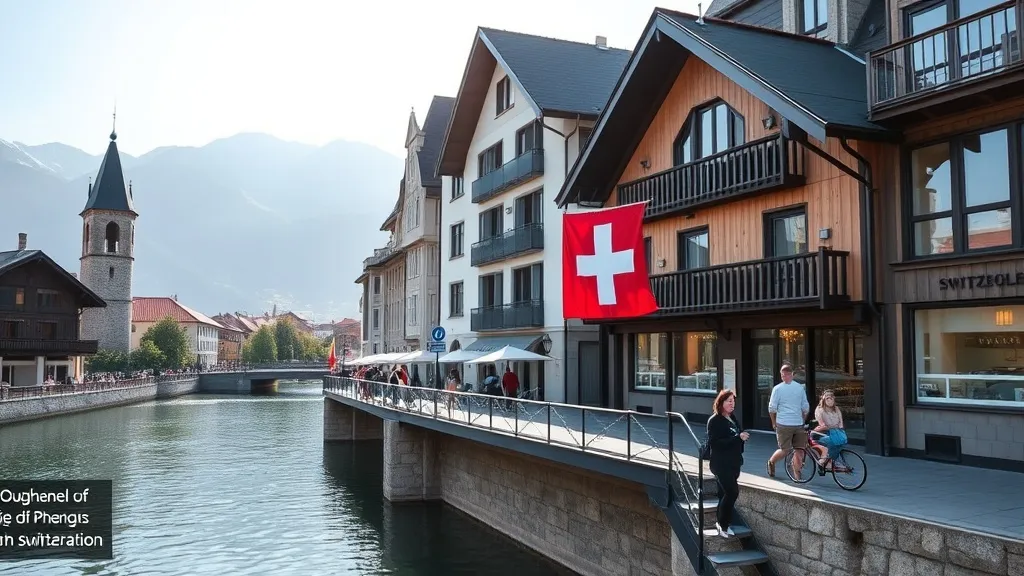
Have you ever dreamed of hiking the Alps after class? Or strolling along Lake Geneva at sunset? Switzerland combines breathtaking scenery with top-tier public services.
Healthcare is excellent, transport is punctual, and crime rates are low. You’ll feel secure—thus free to focus on your studies and personal growth.
Community events, student clubs, and local festivals (think Fondue Fridays) make it easy to integrate and make lifelong friends.
Actionable Takeaway: Explore student housing options early. Proximity to public transport is key.
Tips for a Smooth Application Process
Applying to Swiss universities can seem complex. Transcripts, language tests, recommendation letters—sound familiar?
- Check admission requirements on official university websites.
- Prepare certified translations if your documents aren’t in English, German, French, or Italian.
- Submit your application via the national platform (usually Uni-Assist or the university portal).
- Follow up with the admissions office to confirm receipt.
- Apply for scholarships and housing simultaneously—you’ll feel less stressed.
Starting early makes all the difference. And remember: meeting the minimum requirements doesn’t guarantee admission. Stand out by highlighting your unique experiences.
Actionable Takeaway: Draft your personal statement with specific goals: why study in Switzerland, what you bring, and how you’ll contribute.
Frequently Asked Questions
Do I need to speak German or French?
Not necessarily. Many Master’s and PhD programs are offered entirely in English. However, learning the local language improves daily life and job prospects.
How much does student housing cost?
On average, CHF 600–1,200 per month, depending on the city. Student dorms are cheaper than private apartments.
Can I work part-time?
Yes. International students can work up to 15 hours per week during term and full-time during breaks.
What is the deadline for scholarship applications?
Deadlines vary by program, but generally fall between November and March for the following academic year.
Conclusion
Switzerland offers a unique blend of academic excellence, vibrant research, cultural richness, and professional opportunity. From ETH Zurich’s cutting-edge labs to Geneva’s international hubs, you’ll find programs tailored to your goals. Plus, affordable tuition and generous scholarships make it a smart investment.
Your next steps:
- Research programs that match your interests and language skills.
- Prepare and submit your application materials well before deadlines.
- Apply for scholarships like the Swiss Government Excellence Scholarship.
Embrace this chance to expand your horizons and boost your career. After all, when you choose to study in Switzerland, you’re choosing excellence, innovation, and a world of possibilities.